Transform Your Bathroom for Safety and Comfort: HUD's Home Modification Program for Seniors
Discover how the HUD Older Adults Home Modification Program for Bathroom Accessibility aims to improve seniors' homes. By providing assistance for necessary modifications, this program seeks to enhance bathroom safety and functionality for older adults.
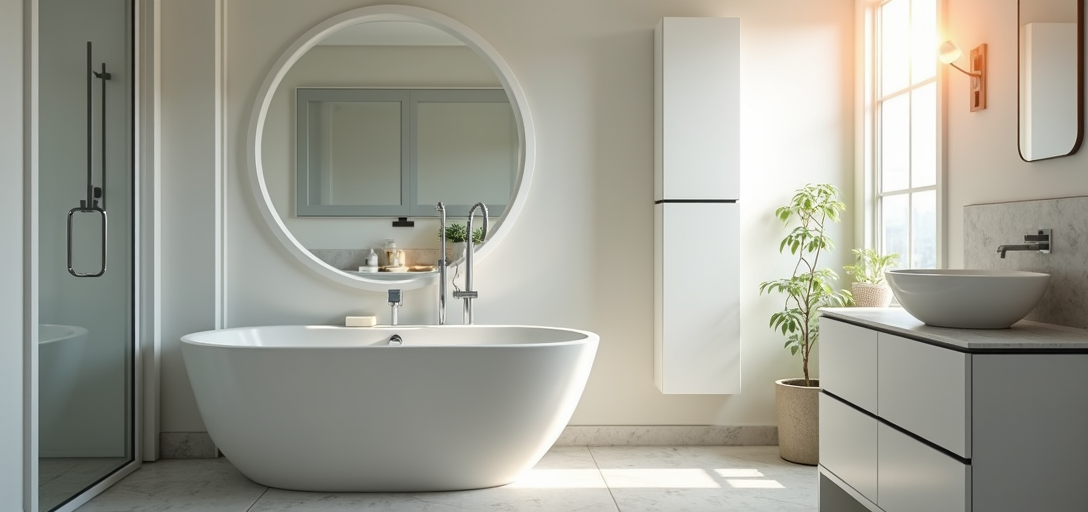
Understanding the HUD Older Adults Home Modification Program
The HUD Older Adults Home Modification Program is a crucial initiative aimed at enabling older adults in the United States to live safely and independently in their homes. With an aging population, ensuring the accessibility of essential spaces like bathrooms is a high priority. This program assists older adults by providing financial support and resources to modify their homes, particularly for bathroom accessibility.
Effective home modifications can greatly improve the quality of life of older adults by enhancing their autonomy and reducing the risk of accidents like falls, which are prevalent among seniors. The demand for these modifications is increasing as the baby boomer generation ages, creating a growing need for accessible living spaces.
How Does the Program Work?
Eligibility Criteria
Individuals interested in the HUD Older Adults Home Modification Program must meet specific eligibility requirements. Generally, eligibility considers:
- Age: Primarily targeting adults aged 62 and older.
- Income: Participants must be from low-income households to ensure resources are directed to those most in need.
- Location: The program is available across various states, but specific regions may have localized initiatives.
Application Process
Applying for the program involves several steps:
- Gathering necessary documents like proof of income, age, and homeownership.
- Filling out the application form, which can usually be found on local government websites or HUD’s official portal.
- Awaiting approval, wherein applications are reviewed to ensure they meet all eligibility criteria.
Upon approval, participants may receive either a grant or subsidy to fund home modifications, or access to contracted services directly offered through program partnerships.
Key Benefits of Bathroom Modifications
Improved Safety
Bathrooms are a common site for falls due to wet surfaces and confined spaces. Modifications under the HUD program may include:
- Installing grab bars near toilets and in showers or tubs.
- Replacing conventional bathtubs with walk-in showers.
- Adding non-slip flooring to reduce fall risk.
Enhanced Independence and Comfort
Modifications not only cater to physical safety but also enhance the independence of seniors:
- Adjustments like higher toilet seats can make daily usage easier for those with mobility issues.
- Lever-style faucets which require minimal effort to operate.
- Additional seating or shower chairs for those who tire easily or require seated bathing options.
These changes foster a more autonomous living environment, providing older adults with greater comfort and self-reliance.
The Impact of Home Modifications on Senior Living
The significance of home modifications extends beyond the individual's home. On a larger scale, they contribute to public health by potentially reducing healthcare costs associated with injuries from falls. Research from 2026 indicates that falls among the elderly account for substantial emergency room visits, with home modifications significantly diminishing these occurrences.
This empowerment further alleviates pressure on assisted living facilities and healthcare services. Seniors living independently not only enjoy their own homes longer but also ease local services’ capacity, creating a mutually beneficial dynamic.
Funding and Resources
The HUD program collaborates with local municipalities and offers various funding sources. In addition to grants, partnerships with non-profit organizations help provide additional resources and guidance. For the latest provision details and available assistance, visiting HUD's official website or resources at AARP can offer updated guidance.
As of 2026, federal support for home modification programs has increased, recognizing the critical need for such interventions. State-specific programs might also be available, offering additional layers of support depending on location and individual circumstances.
Real-World Examples
Consider the case of Jane, a 75-year-old woman living in Ohio. With support from the HUD Older Adults Home Modification Program, Jane was able to transform her bathroom into a safer, more accessible space. Her new walk-in shower and strategically placed grab bars have dramatically reduced her fall risk, giving both her and her family peace of mind.
Similar success stories proliferate nationwide, offering substantive proof of the program's value. These instances demonstrate the tangible benefits on individual lives, fostering a healthier, independent lifestyle.