Transform Your Floors with Expert Surface Restoration Techniques
Explore how floor surface restoration can transform the look and feel of your space. Whether your floors are scuffed, worn, or simply outdated, floor surface restoration offers a way to refresh and revitalize without the need for complete replacement.
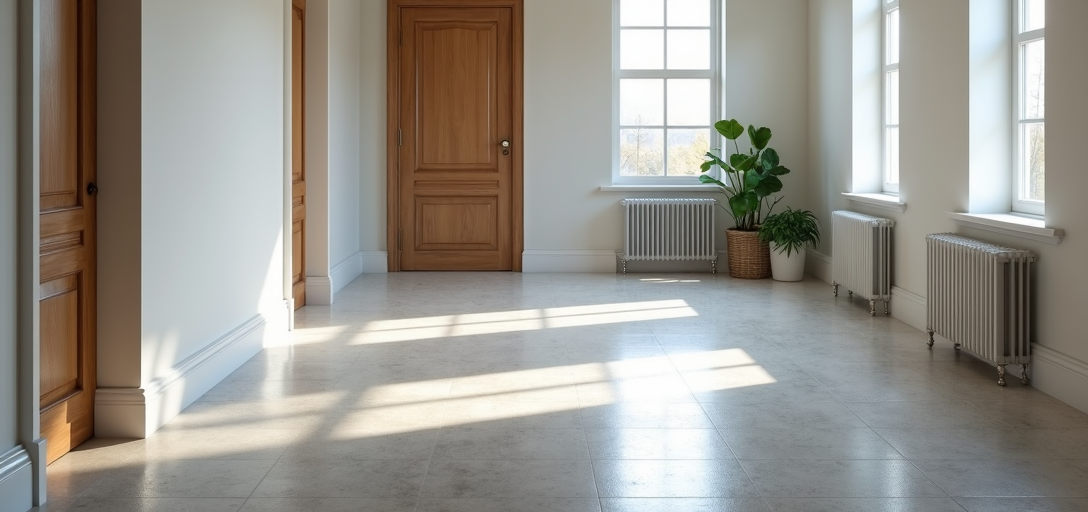
The Importance of Floor Surface Restoration
For many homeowners and business owners in the US, the floors represent a foundational element of property design, functionality, and value. As time passes, floors can deteriorate due to foot traffic, spills, climate influences, and other wear-and-tear elements. Floor surface restoration emerges as a valuable service to rejuvenate old floors without the high cost of replacement. This not only enhances the aesthetic appeal of a space but also prolongs the life of the flooring.
Understanding Floor Surface Restoration
What is Floor Surface Restoration?
Floor surface restoration is the process of repairing, cleaning, and refinishing flooring materials to restore them to their original, or even superior, condition. It often involves a variety of techniques such as deep cleaning, buffing, sanding, staining, sealing, and polishing. Whether it's hardwood, marble, tile, or concrete, each type of floor surface has its restoration method tailored to its unique properties.
Why Consider Floor Surface Restoration?
There are several compelling reasons to opt for floor surface restoration:
- Cost-Effectiveness: Restoration can cost a fraction of what a complete floor replacement would, providing significant savings.
- Eco-Friendly: By avoiding the disposal of old materials, floor restoration is a more sustainable approach.
- Minimized Disruption: The process is quicker and less invasive than total replacement, reducing downtime for businesses and discomfort for homes.
- Enhanced Aesthetics: A restored floor can bring back the original beauty of a space, enhancing its overall appearance.
Types of Floor Surfaces and Their Restoration Processes
Hardwood Floors
Hardwood floors are popular for their durability and classic look. Restoration involves sanding the surface to remove worn finish and scratches, followed by staining and sealing to protect the wood.
Tile Floors
For tile floors, restoration might include re-grouting, cleaning, and sealing to prevent moisture penetration and to bring back their original shine.
Concrete Floors
Concrete floors are known for their industrial appeal and robustness. Polishing and sealing can enhance their durability and give them a polished, professional appearance.
Marble Floors
Marble floors require specific techniques including honing and polishing to address dullness and scratches while maintaining their luxurious look.
Who Performs Floor Surface Restoration?
Floor surface restoration is best left to professionals who have the expertise and specialized equipment. In 2026, the restoration industry in the US has seen significant advancements with companies using new eco-friendly products and innovative techniques to improve outcomes. When choosing a restoration service, consider certified professionals who provide a portfolio of past work and customer testimonials.
Recent Trends and Innovations in Floor Restoration (2026)
According to recent data, the floor restoration industry is rapidly incorporating technology to increase efficiency and reduce environmental impact. Here are some trends:
- Sustainable Materials: Many restoration companies are using new, low-VOC sealants and finishes that are better for indoor air quality.
- Advanced Machinery: Development of more precise and less abrasive machinery helps preserve the integrity of floor materials.
- Personalization and Customization: With advances in design technology, homeowners can choose from a wider range of finish options to suit personal styles.
Floor Surface Restoration Costs in 2026
The cost of floor surface restoration in the US varies significantly based on the type of floor and the extent of damage. As of 2026, average costs range from $3 to $8 per square foot, with hardwood and marble restoration on the higher end due to material sensitivity and labor intensity.
Resources for Floor Surface Restoration
For those considering floor surface restoration, there are numerous resources available to help educate you further:
- Flooring.org provides comprehensive guides on maintaining and restoring different floor types.
- Houzz, a platform for home remodeling and design, features community discussions and tips for floor care.
- EPA's Guide to Indoor Air Quality discusses the importance of using eco-friendly products during restoration to prevent indoor pollution.
Conclusion
Floor surface restoration represents an intersection of cost-effectiveness, sustainability, and aesthetic enhancement. With ongoing trends and advancements in the industry, homeowners and business owners have more options than ever to restore and preserve their floors, thereby enhancing their property's value and appearance. When considering floor surface restoration, it's crucial to partner with experienced professionals who can deliver quality results using modern techniques and eco-friendly materials. By making informed decisions, you can ensure that your floors stand the test of time while maintaining their original beauty and functionality.