Transform Your Images with This AI Tool: Effortless Studio-Quality Results
Discover the power of this AI tool that transforms your photos into studioquality images without the need for Photoshop. Explore how AI technology enhances details and improves quality, making it easier than ever to achieve professionallooking results.
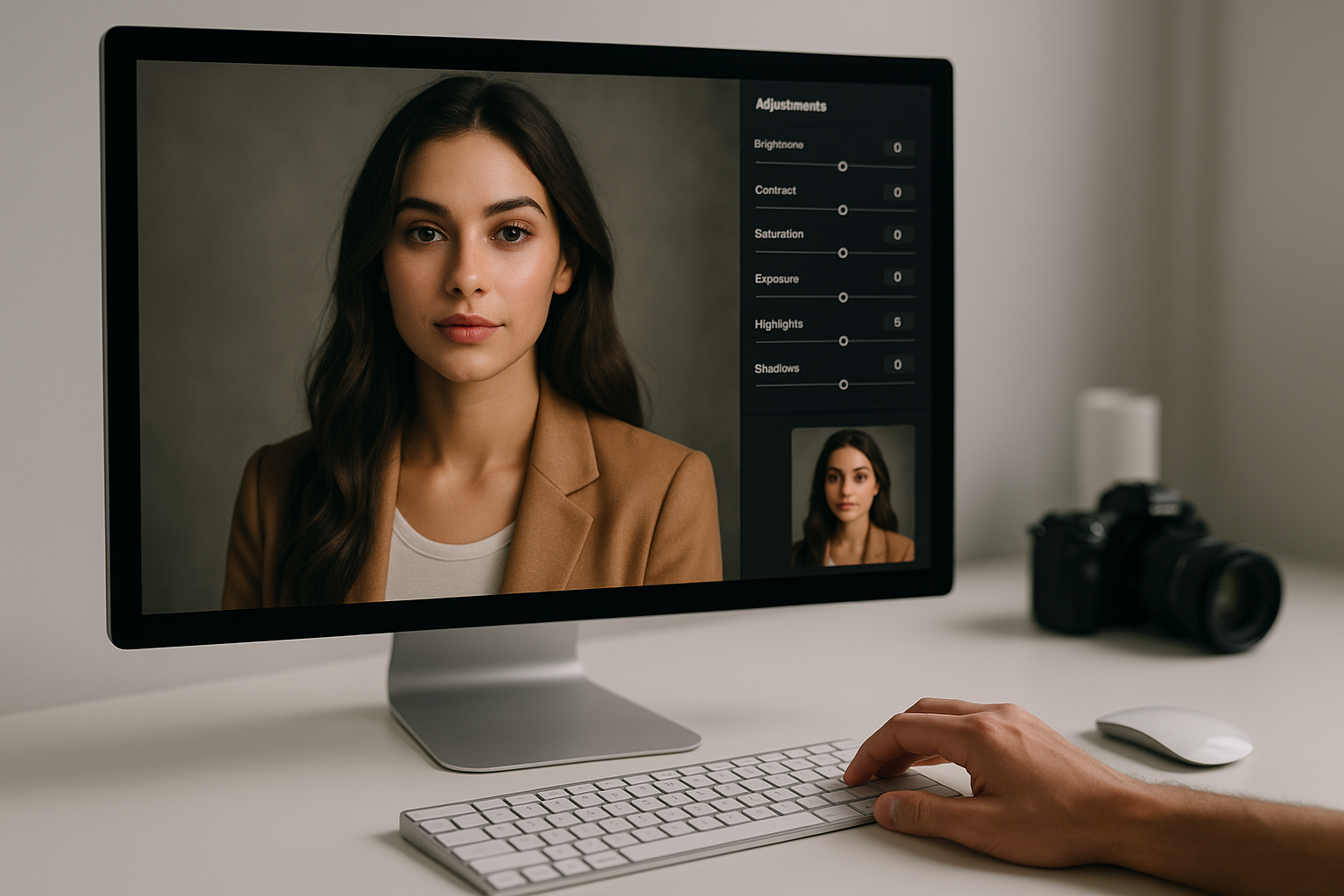
Understanding AI Tools for Photo Creation
The world of photography has significantly evolved with the advent of artificial intelligence (AI). One of the most intriguing advancements is the development of AI tools that create studio-quality photos without relying on traditional software like Photoshop. These tools are revolutionizing the way users approach photo editing and creation, making the process more accessible, efficient, and user-friendly.
How Do AI Photo Creation Tools Work?
AI photo creation tools rely on machine learning algorithms to analyze and enhance images. These tools are trained on vast datasets of thousands, if not millions, of images. As a result, they learn to recognize patterns and features in photographs, such as colors, textures, lighting, and composition. By understanding these elements, AI can intelligently adjust and enhance an image, producing high-quality results comparable to those achieved through manual editing.
For instance, the AI may enhance a photo by adjusting exposure, balancing colors, or removing blemishes — tasks that typically require expert knowledge and time when done using traditional editing tools. With AI, users can often achieve these results with a few clicks.
Benefits of Using AI Photo Tools Over Traditional Editing Software
This technology offers numerous advantages over conventional photo editing methods:
- Accessibility: AI tools are designed to be user-friendly, eliminating the steep learning curve associated with professional software like Photoshop. This accessibility democratizes photo creation, allowing amateurs and professionals alike to produce stunning imagery.
- Time Efficiency: Traditional photo editing can be time-consuming. AI tools automate many editing processes, greatly reducing the time required to perfect an image.
- Cost-Effectiveness: Photoshop and similar software can be costly, both in terms of licensing fees and the cost of training. Many AI tools are available at a lower price point, sometimes even offering free versions with ample features for casual users.
Examples of Popular AI Photo Creation Tools in 2026
Several innovative AI tools have gained popularity in recent years due to their powerful features and ease of use:
- RunwayML: This tool offers a suite of features that allows users to experiment with generative AI tools for photo and video editing, such as background removal and style transfers. Learn more about RunwayML.
- DeepArt.io: Known for turning photos into artwork, DeepArt.io uses neural network algorithms to apply painting styles to images, producing stunning results that combine human creativity with AI precision.
- Remini: Specializing in enhancing old and low-quality photos, Remini uses AI to improve image resolution and clarity. This tool is particularly popular among users looking to enhance family photos and historical images.
Real-World Applications of AI Photo Tools
The real-world applications of AI photo tools are vast and varied, impacting industries and users globally:
- Fashion and E-commerce: Businesses use AI tools to enhance product images, ensuring that items appear appealing and true to life, which can significantly influence buying decisions online.
- Social Media Influencers: Influencers leverage these tools to create eye-catching images that engage their audiences, allowing them to stand out in a saturated online market.
- Restoration Projects: Museums and libraries use AI tools to restore and preserve old photography and art pieces, making historical content more accessible to the public.
Challenges and Considerations
Despite their benefits, AI photo tools pose certain challenges:
- Quality Control: While AI tools are designed to improve image quality, the automated nature of these tools can sometimes miss subtle details that a human eye might catch, necessitating occasional manual touch-ups.
- Ethical Concerns: The ease with which images can be manipulated raises ethical questions about authenticity and misinformation, especially as altered images become indistinguishable from originals.
- Dependence on Technology: There's a growing reliance on AI tools, which could lead to skill erosion for traditional editing techniques among new photographers.
The Future of AI in Photography
The integration of AI in photography is just the beginning. Current trends indicate that AI will continue to provide innovative solutions that bridge the gap between technology and art. Future advancements may include more sophisticated content generation, automated storytelling, and even personalized user experiences where AI understands and predicts editing preferences.
In summary, AI tools have transformed the landscape of photography, offering unparalleled convenience and capability to users worldwide. As these technologies continue to evolve, their impact is likely to expand across more sectors, enhancing both personal and professional endeavors in the realm of visual storytelling.
For further reading on the impact of AI in various fields, consider exploring publications like MIT Technology Review or searching publications from Elsevier's Artificial Intelligence journal.