Transform Your Living Room: 2026's Revolutionary Sofa Arrangement
Ever thought about moving your sofa away from the wall? The layout trend of 2026 might have you reconsidering your living room arrangement. Stop letting your sofa stick to the perimeterexplore new ways to arrange furniture that enhance flow and conversation.
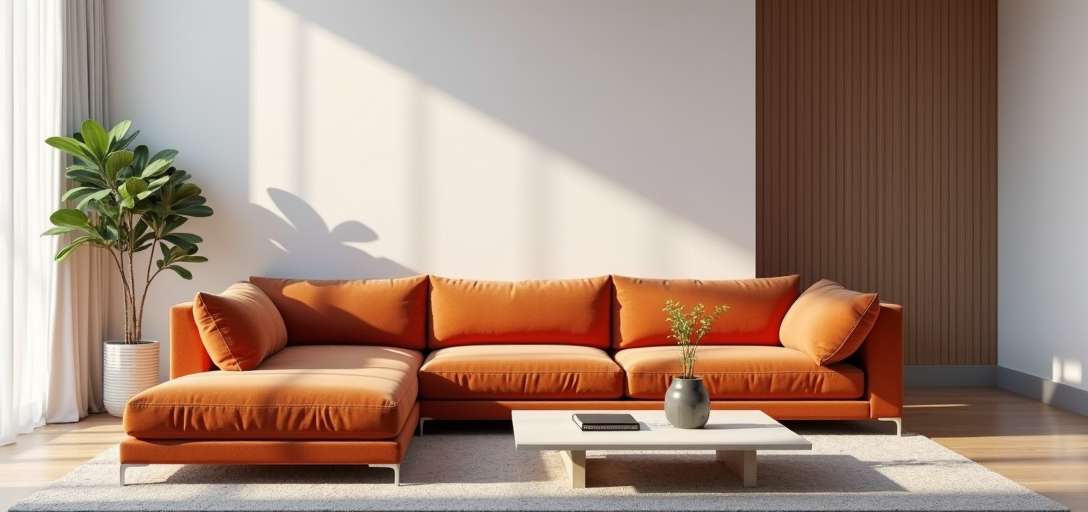
The Concept of Floating Furniture Layout
When it comes to living room arrangements, there's a growing trend: stop putting the sofa against the wall. Embracing a floating furniture layout has become increasingly popular, offering numerous benefits that homeowners are starting to appreciate in 2026. This layout involves placing furniture away from the walls, creating a cozy and inviting atmosphere that encourages conversation and interaction.
What Is a Floating Furniture Layout?
A floating furniture layout focuses on positioning your main seating arrangements—such as sofas, chairs, and tables—away from the walls. This setup works particularly well in spacious rooms but can be adapted to smaller spaces with some creativity. The goal is to create a conversational area in the center of the room, promoting a more accessible and relaxed environment.
Benefits of Floating Furniture Arrangements
There are several reasons why this trend is taking over living rooms across the United States:
- Enhanced Social Interaction: By centering furniture away from walls, conversations flow easier, and guests feel more engaged.
- Improved Room Flow: Floating layouts promote better traffic flow, allowing people to move freely around the room.
- Visual Appeal: This arrangement can make a room look more dynamic and less rigid, adding aesthetic appeal.
- Versatile Design: It's easier to reconfigure furniture for different occasions without being constrained by the room's perimeter.
Improved Acoustics and Ambience
From an acoustic standpoint, having furniture away from the walls aids in reducing echo and improving sound quality within the space. This is particularly valuable in open floor plans where hard surfaces can create noise issues. Additionally, the floating layout often allows for better lighting design, enabling the use of floor lamps and accent lighting to highlight the room's focal points.
Implementing a Floating Layout
Assess Your Living Space
Begin by analyzing your living room's dimensions and existing furnishings. Consider how traffic flows through the space and identify natural focal points, such as a fireplace, window, or entertainment center. These elements can influence the optimal placement of your seating arrangements.
Arrangement Tips and Tricks
- Create Defined Zones: Use area rugs to delineate distinct areas within the room, such as seating or entertainment zones.
- Think Circular: Arrange seating in a circular or semi-circular format to encourage interaction.
- Utilize Multifunctional Furniture: Consider furniture pieces like ottomans or coffee tables with storage to maintain a clean, organized look.
- Incorporate Greenery: Position potted plants strategically to add freshness and soften edges.
Making the Most of Smaller Rooms
Even in smaller living rooms, a floating layout can be effective. Opt for smaller, lightweight furniture that can be moved easily. Use mirrors to enhance the feeling of space, and keep colors light and cohesive to create an open and airy atmosphere.
Examples and Inspiration
Contemporary Design Inspiration
Many contemporary homes and design magazines highlight the success of the floating furniture layout. Architectural Digest and Elle Decor frequently feature spaces that embrace this approach, providing inspiration with high-end designs that can be adapted to everyday living spaces.
Real-World Examples
For instance, in a recently renovated Boston loft, designers embraced the floating layout by arranging modular sofas in an arc around a central coffee table, enhancing both the function and aesthetic of the room. The result was a livelier, more dynamic living area that felt inviting and modern.
The Future of Living Room Design
The trend of floating furniture layouts aligns with broader 2026 design trends focused on creating flexible, adaptive living spaces. With the rise of remote work and multifunctional homes, such layouts support diverse lifestyle needs by prioritizing comfort, connectivity, and room versatility.
Conclusion
As more people recognize the potential of their living spaces, the move away from wall-bound furniture will continue to gain traction. By experimenting with placements and embracing a floating layout, you can transform your living room into an inviting and functional sanctuary. Whether you're redesigning your home or just shifting a few pieces around, understanding these concepts can help you create a space that reflects your personal style while meeting your practical needs.