Transform Your Living Space: The 2026 Sofa Layout Revolution
Discover how rethinking your living room layout can transform your space without renovations. Stop putting your sofa against the wall and explore what experts predict will be the trending layout taking over in 2026.
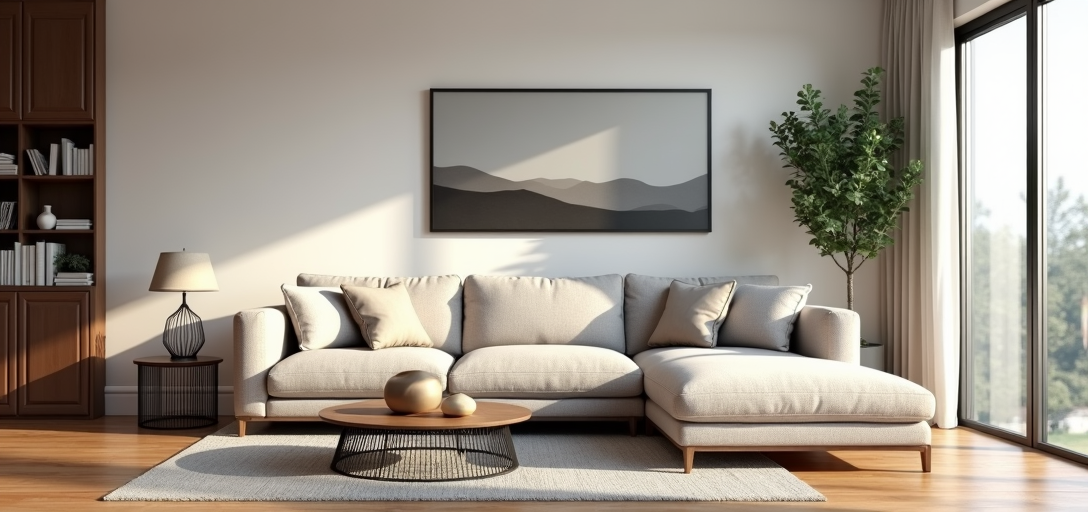
Why You Should Rethink Your Living Room Layout
As we step into 2026, home design trends are evolving, pushing us to rethink traditional furniture placements that we've adhered to for years. One of these customs is placing the sofa against the wall—a practice adopted for maximizing space. But new interior design strategies suggest a radical shift that places the sofa away from the walls, creating dynamic and engaging living spaces.
In the UK, where homes often vary in size and architecture, such alterations can notably enhance the functionality and aesthetics of a room. Here, we explore the reasons behind this emerging trend and offer guidance on embracing this new layout strategy.
The Psychology Behind the Move
At the heart of this layout transformation is the psychology of space. When a sofa is placed in the middle of a room, it can encourage better socialization, improved flow, and create a more inclusive environment. This setup can make conversations feel more organic, as people are not sitting aligned in a row but facing each other, stimulating closer interaction and a feeling of warmth and belonging.
Benefits of Moving Your Sofa Away from the Wall
- Improved Room Dynamics: By pulling the sofa away from the walls, you invite better flow within your living spaces. This layout can serve as a “soft divider,” distinguishing different areas such as leisure zones, passageways, or even a home office nook within open-plan spaces.
- Enhanced Acoustics: Walls can sometimes echo sound back into the room creating a less comfortable acoustic environment. A freestanding sofa helps to diffuse sound, providing clearer audio whether you’re watching TV or enjoying music.
- Greater Aesthetic Appeal: Breaking from the traditional wall-aligned setup adds depth and interest to your room. This approach allows you to showcase different angles of your furniture and decor, contributing to a visually intriguing space.
How to Implement This Layout
Implementing this new layout requires a bit of creativity and an understanding of your room’s specific needs.
- Evaluate Room Size and Shape: Consider the dimensions and shape of your living space. In larger rooms, positioning a sofa centrally can make the room feel cozier, while in smaller rooms, a floating sofa might need to be more strategic.
- Define the Purpose: Identify what you want to achieve with this new layout. Whether it’s creating a conversation hub, a reading nook, or a viewing area, clarity will help guide your furniture arrangement.
- Accessorize Carefully: Add rugs, lamps, or side tables strategically to support the new layout. A large area rug under the sofa and table can anchor the space effectively, creating a sense of unity.
- Experiment with Angles: Don’t restrict yourself to straight lines; angling your sofa can add an unexpected twist that’s both functional and stylish.
Successful Real-World Examples
Sally Thompson, a well-known interior designer based in London, recently redecorated a Victorian townhouse using this very principle. By placing the sofa away from the walls and using a mix of eclectic rugs and side tables, she transformed the living room into a warm, multi-functional space.
According to a 2026 survey by the British Institute of Interior Design (BIID), over 55% of homeowners reported a significant increase in their living room usage after rearranging furniture away from walls, citing better space utilisation and improved relaxing experiences.
Challenges and Considerations
While the benefits are numerous, there are challenges to consider:
- Size Constraints: Smaller rooms might find it difficult to accommodate floating furniture effectively without crowding.
- Traffic Flow: It's crucial to ensure that the rearrangement doesn’t hinder natural traffic flow through the room, especially high-traffic areas.
Solving these issues involves creative problem solving, like opting for a sectional sofa or modular furniture that can be adjusted to fit the space better.
Conclusion: The Way Forward
The year 2026 marks a turning point in how we perceive and use our living spaces. By reimagining the placement of your sofa, you open up new opportunities for functional and aesthetic improvement. This layout isn’t just about following design trends—the underlying principle speaks to enhancing human connection and making homes feel more welcoming and versatile.
For UK homeowners willing to embrace change, moving the sofa away from the walls could very well be the catalyst needed for a fresher, more inviting living environment. It’s a simple tweak that yields rewarding dividends in comfort and style.