Transform Your Outdoor Space: DIY Landscaping Ideas for a Professional Look
Explore how DIY landscaping ideas can transform your outdoor space into a professionallooking oasis. Uncover creative and budgetfriendly techniques that elevate your garden's appeal.
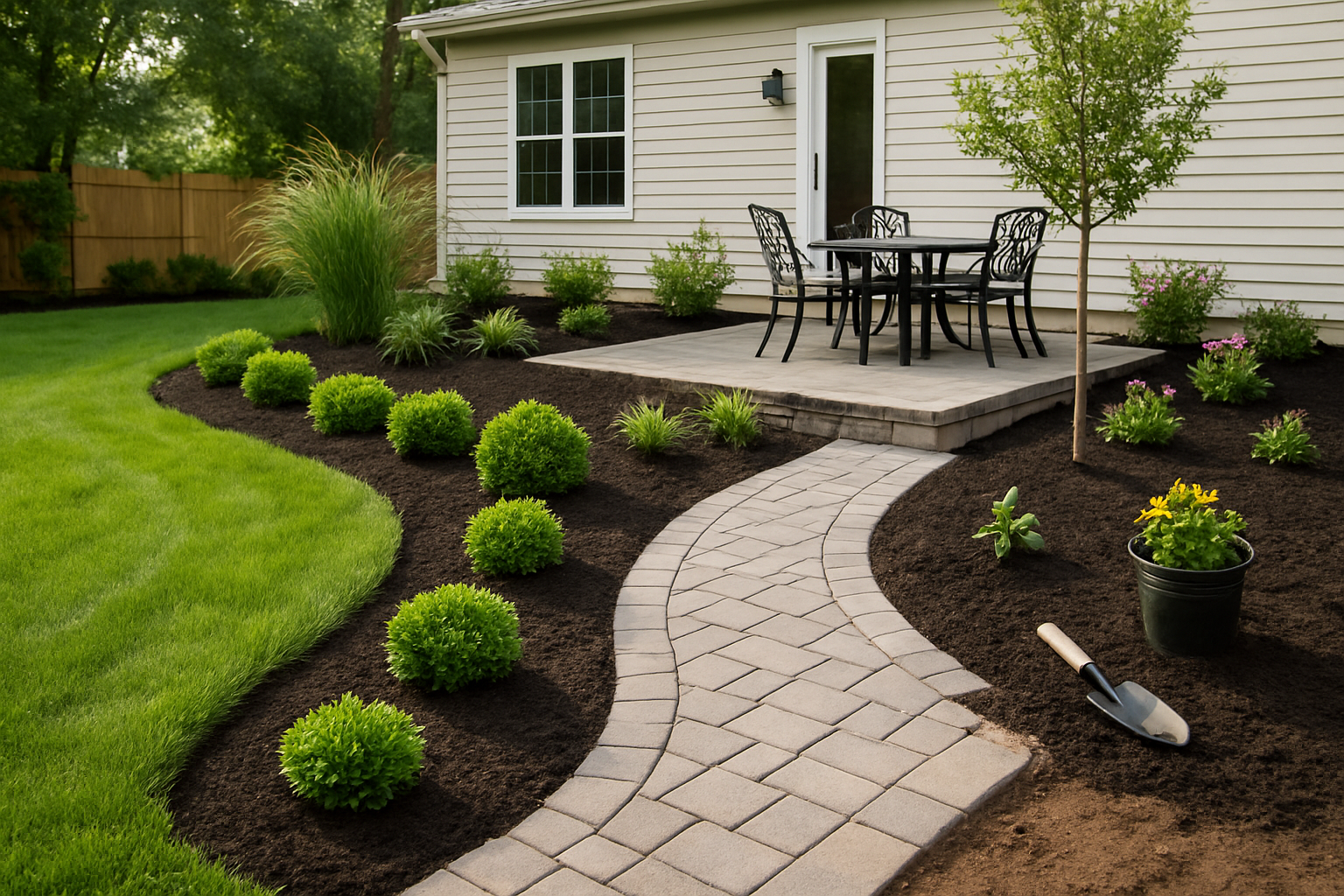
Understanding DIY Landscaping
DIY landscaping is a rewarding activity that transforms outdoor spaces with your unique personal touch. More than just planting flowers or installing a water feature, it's about creating an environment that feels harmonious and looks professionally designed. This article will guide you through various ideas, tips, and considerations to ensure your DIY landscaping looks immaculate.
Key Elements of Professional-Looking Landscaping
Professional landscapers often have an eye for detail and an understanding of how different elements work together. Here's how you can mimic this approach:
1. Designing with Purpose
A well-thought-out design is the cornerstone of effective landscaping. Before you start planting or building, consider the overall layout:
- Define Spaces: Deliberately define areas for dining, lounging, or playing with clear boundaries using elements like hedges, walkways, or fencing.
- Unity and Variety: Strive for visual unity with a consistent theme, but use contrasting colors, shapes, and textures to create variety and interest.
- Focal Points: Incorporate focal points such as a beautiful tree, water feature, or garden sculpture to draw the eye and add a professional touch.
2. Mastering Plant Selection and Care
The right plants enhance the beauty and functionality of your landscape:
- Local Climate Considerations: Choose plants that thrive in your local climate to minimize maintenance and ensure longevity. In 2026, the focus on native and drought-resistant plants continues to grow, as they require less water and adapt best to local conditions (1).
- Layering Plants: Use a layered planting strategy by placing taller plants at the back, medium ones in the middle, and shorter ground covers at the front for depth and dimension.
- Seasonal Variety: Design the plant selection to ensure that different species bloom at various times of the year to maintain year-round interest.
3. Incorporating Hardscape Elements
Hardscape elements provide structure and function to a landscape:
- Pathways and Patios: Use materials like stone, gravel, or pavers to create practical and visually appealing pathways and patios.
- Retaining Walls: Add dimension and manage sloped areas with retaining walls made from natural stone or timber.
- Edging: Define flower beds or lawn areas with neat edging that can range from simple metal or plastic strips to decorative stones.
4. Lighting and Water Features
Lighting and water features can enhance the atmosphere and usability of your garden space:
- Ambient Lighting: Use solar lights, lanterns, or uplighting to add soft, atmospheric lighting that highlights key areas or features.
- Water Features: From small fountains to ponds, water features create a soothing ambiance and are a sign of a well-thought-out garden design.
In recent years, energy-efficient and environmentally friendly options, such as solar-powered lights and recirculating water systems, have been gaining popularity due to their sustainable benefits (2).
Expert Tips for Successful DIY Landscaping
1. Start Small
If you're new to landscaping, start with small projects and gradually expand to larger ones as your confidence and skill grow. This approach minimizes risk and ensures each element is meticulously completed.
2. Use Quality Tools and Materials
Investing in high-quality tools and materials might be more expensive upfront, but they provide better results and last longer, ultimately saving money and time in the long run.
3. Sustainability is Key
With the increasing emphasis on sustainability in 2026, it is crucial to consider eco-friendly practices:
- Rainwater Harvesting: Collect rainwater to irrigate your plants and reduce water consumption.
- Compost Use: Use compost to enrich the soil and reduce reliance on chemical fertilizers.
These sustainable practices not only contribute to a healthier environment but often enhance the quality of the plants (3).
4. Regular Maintenance
Maintaining your landscape is just as important as creating it. Regularly prune, weed, and clean hardscape surfaces to keep your garden looking pristine and professionally done.
5. Seeking Professional Guidance
Don't hesitate to consult with professional landscapers for insights or to tackle particular challenges. Even if you wish to do most work yourself, their expertise can provide valuable guidance.
Conclusion
Creating a DIY landscape that looks professionally done involves thoughtful planning, wise choices, and ongoing commitment. By incorporating these strategies and understanding key landscaping principles, you can transform your garden into a beautiful, functional haven.
For further guidance and to explore a plethora of ideas, visiting landscaping blogs or websites can provide continual learning and inspiration. With patience and creativity, your DIY landscaping project can be both fulfilling and stunningly professional in appearance.