Transform Your Pantry: 5 Essential Foods for a Health-Conscious Lifestyle
Discover five everyday foods healthy eaters always have at home to support a balanced diet. Packed with nutrients, these staple items are key to maintaining wellness and variety in your meals.
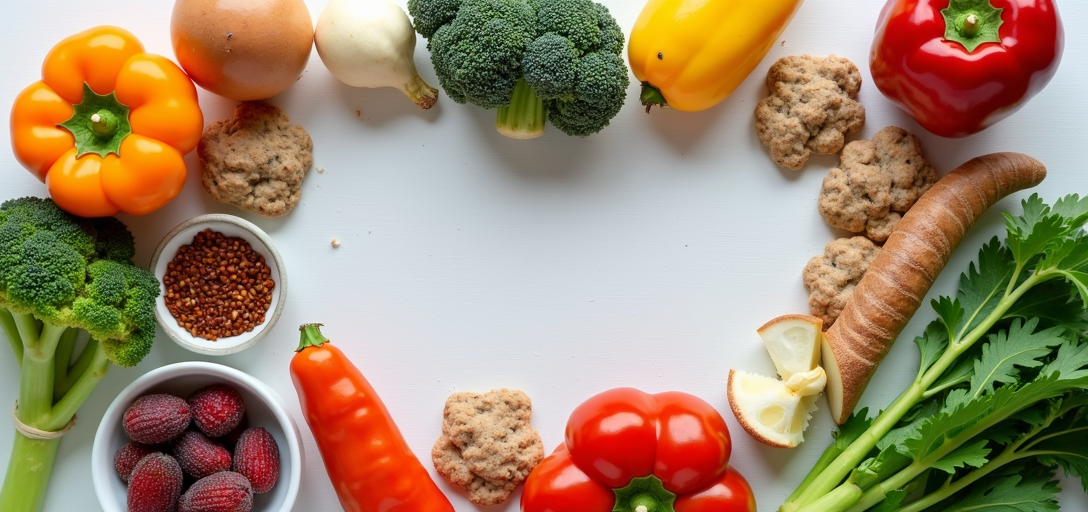
Understanding Healthy Eating
In today's fast-paced world, maintaining a healthy diet can seem daunting. However, keeping a few staple foods on hand can make it much easier to stay on track. These essentials not only help satisfy hunger but also ensure you're consuming a balanced diet rich in essential nutrients.
Why Stocking Healthy Foods Matters
Stocking your pantry with healthy foods is crucial for several reasons. It simplifies meal preparation, reduces the temptation to opt for unhealthy options when you're hungry, and ensures that you always have the ingredients you need to prepare nutritious meals.
According to the USDA's dietary guidelines for 2026, a balanced diet should consist of a variety of nutrients, with an emphasis on whole foods such as fruits, vegetables, lean proteins, and whole grains.
Top 5 Everyday Foods Healthy Eaters Keep Stocked At Home
To help maintain a nutritious diet, here are five everyday foods that healthy eaters often have on hand:
1. Whole Grains
Whole grains like quinoa, brown rice, and whole wheat bread are staples in a healthy eater's kitchen. They are excellent sources of fiber, which is essential for digestive health, and help to keep you full for longer.
- Quinoa: Considered a superfood, quinoa is high in protein and contains all nine essential amino acids.
- Brown Rice: A versatile grain that can be used in a variety of dishes, from stir-fries to soups.
- Whole Wheat Bread: A great alternative to white bread, offering more fiber and nutrients.
According to current 2026 reports from the Harvard School of Public Health, consuming whole grains is linked to a reduced risk of chronic diseases such as heart disease and type 2 diabetes.
2. Fresh Fruits and Vegetables
Fruits and vegetables are vital for a well-rounded diet. Not only are they rich in vitamins and minerals, but they also provide fibers that aid in digestion.
- Berries: Such as strawberries and blueberries, are full of antioxidants which protect your body from disease.
- Leafy Greens: Spinach and kale are high in vitamins A, C, and K, and a great addition to any meal.
- Citrus Fruits: Oranges and grapefruits are excellent sources of vitamin C and help improve immune function.
Data from the CDC in 2026 suggests that increasing fruit and vegetable intake is associated with lowered blood pressure and improved overall health.
3. Lean Proteins
Proteins are the building blocks of the human body, essential for growth and repair. Healthy eaters prefer lean protein sources as they provide the necessary nutrients without the excess unhealthy fats.
- Chicken Breast: An excellent protein source that can be roasted, grilled, or poached.
- Eggs: Versatile and nutrient-dense, eggs are a healthy eater's favorite.
- Fish: Fish like salmon and cod provide omega-3 fatty acids beneficial for heart health.
4. Nuts and Seeds
Almonds, walnuts, chia seeds, and flaxseeds are rich in healthy fats, protein, and fiber. They are perfect snacks or can be added to meals for additional nutrition.
Research from the American Heart Association in 2026 indicates that moderate consumption of nuts and seeds can lead to improved heart health and reduced inflammation.
5. Healthy Oils
Olive oil, coconut oil, and avocado oil provide essential fatty acids that help with nutrient absorption and reduce inflammation.
- Olive Oil: High in monounsaturated fats and can be used for cooking or as a salad dressing.
- Coconut Oil: Great for baking and cooking at high temperatures.
- Avocado Oil: Offers a higher smoke point, making it ideal for sautéing and frying.
The American Heart Association recommends using oils that are high in unsaturated fats, like olive oil, as part of a heart-healthy diet.
Ways to Incorporate These Foods into Your Diet
Simple Meal Ideas
Incorporating these foods into your diet doesn't have to be complex. Here are some simple meals you can try:
- Breakfast: Overnight oats with chia seeds and berries.
- Lunch: Grilled chicken salad with spinach, avocado, and a drizzle of olive oil.
- Dinner: Quinoa stir-fry with mixed vegetables and lean strips of beef or tofu.
Snack Suggestions
- A handful of mixed nuts.
- Fruit slices with almond butter.
- Slices of whole-grain bread with avocado.
By keeping these foods stocked at home, you're setting yourself up for success in maintaining healthy eating habits. Plus, they're all versatile, making it easy to mix and match for a variety of tasty and nutritious meals.
Conclusion
Incorporating these staple foods into your everyday diet not only simplifies healthy eating but ensures that you're getting the necessary nutrients to support a healthy lifestyle. By making these simple changes, you can enhance your diet, improve your health, and enjoy a variety of delicious meals. Embrace these top foods, and you'll be well on your way to a healthier you!