Transform Your Smile: Understanding the Benefits and Process of Dental Veneers in 2026
Discover how dental veneers can enhance your smile in our comprehensive guide to tooth restoration in 2026. Explore various types of veneers, understand if they're the right choice for you, and learn how they can potentially improve your dental aesthetics.
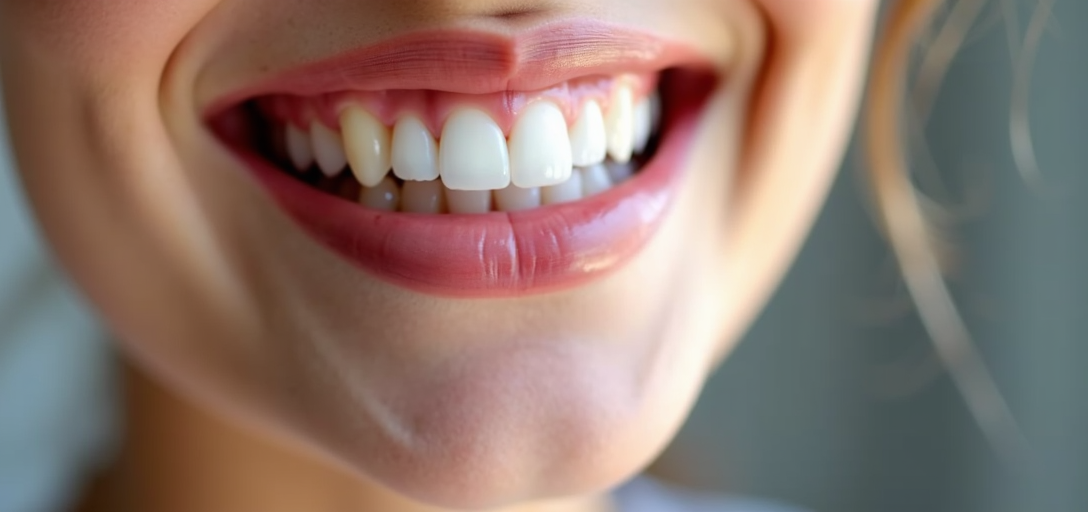
Understanding Dental Veneers
Dental veneers, often regarded as a transformative solution in cosmetic dentistry, offer a pathway to a radiant smile. This treatment has gained popularity in the United States due to its precision in correcting dental imperfections. But what exactly are dental veneers, and how can they enhance your smile?
What Are Dental Veneers?
Dental veneers are thin, customized shells crafted from tooth-colored materials designed to cover the front surface of teeth. These shells are bonded to the teeth to improve their appearance, providing a uniform shape, size, and color. Veneers can be made from porcelain or resin composite materials, with each offering distinct benefits.
Who Can Benefit from Dental Veneers?
Veneers are a versatile option suitable for a variety of cosmetic concerns, such as:
- Discolored teeth that don’t respond to whitening
- Worn-down teeth
- Chipped or broken teeth
- Misaligned, uneven, or irregularly shaped teeth
- Gaps between teeth
While veneers are predominantly cosmetic, they also contribute to restoring the functionality of damaged teeth.
The Dental Veneer Procedure
Understanding the process of getting veneers can alleviate any apprehension about the treatment. Here’s a step-by-step guide:
Consultation and Diagnosis
Your journey begins with a comprehensive consultation. During this initial visit, a dentist will evaluate your teeth for veneers and discuss the procedure's suitability. X-rays and impressions of your teeth might be taken in preparation for the veneers.
Preparation
The next step involves preparing your teeth for veneers. This preparation may involve reshaping the tooth surface equal to the thickness of the veneer to be added. Typically, about 0.5 millimeters of enamel is removed. You'll discuss the need for local anesthesia with your dentist, as it could be required based on the extent of the preparatory work.
Creation and Bonding
After tooth preparation, your dentist will make a model or impression of your tooth, sending it to a dental laboratory to construct your veneer, a process that usually takes 2-4 weeks.
Once the veneers return from the lab, bonding involves cleaning, polishing, and etching your teeth to achieve a strong bond. A special cement and light is used to secure the veneer quickly, adjusting until it fits perfectly.
Pros and Cons of Dental Veneers
Advantages
- Natural Appearance: Modern veneers mimic the light-reflecting properties of natural teeth.
- Stain Resistance: Porcelain veneers resist stains better than natural teeth.
- Durability: They can last between 7-15 years with proper care.
Drawbacks
- Permanent Process: Enamel removal is irreversible, committing you to regular veneer care.
- Cost: Dental veneers can be expensive, with individual veneers ranging from $1,000 to $2,500 as per 2026 pricing standards.
- Sensitivity: You may experience temporary discomfort from heat and cold immediately after fitting.
Cost and Insurance Considerations
Most insurance plans do not cover veneers as they are deemed a cosmetic procedure. However, some plans might offer partial coverage if veneers are used to restore tooth structure after damage. It's advisable to consult your dental insurance provider for specific details.
Aftercare for Dental Veneers
Maintaining veneers is relatively straightforward. Continue practicing good oral hygiene, including brushing twice daily and using dental floss. Regular checkups with your dentist are essential for tracking their condition. Avoid using your teeth to open objects to prevent chipping and stress-related damage to the veneers.
Choosing the Right Dental Professional
Finding a skilled dentist is crucial for the success of your veneer treatment. Look for professionals with experience in cosmetic dentistry, and don't hesitate to ask for before-and-after pictures of past procedures. Yelp and Healthgrades are excellent platforms for reviews, helping you find a dentist rated highly by patients.
Real-World Testimonials and Results
In recent surveys, about 95% of veneer patients in the US reported satisfaction with the outcome of their treatment, particularly emphasizing the boost in self-confidence due to improved aesthetics (American Dental Association, 2026). More intricate cases highlighted patients with previously uneven smiles who now enjoy straight, luminous teeth.
These real-world insights underscore the significance of dental veneers as both a cosmetic and reconstructive dental solution.
Conclusion
Dental veneers serve as an effective method for resolving numerous aesthetic and functional dental issues. Whether you're grappling with discoloration or structural imperfections, veneers can provide a rejuvenated smile exuding confidence and competence. Always consult with a professional to understand the best options for your dental concerns. With the right care, veneers can ensure a lasting, beautiful smile for years to come.
For more information, consider visiting credible sources such as the American Dental Association and publications by NCBI for the latest research and guidelines in cosmetic dentistry as of 2026.