Uncover Hidden Treasures: Valuing Your Old China Collections
Discover the intriguing world of old China collections, where unexpected treasures may await. While not every piece will guarantee a fortune, many collectors find surprising value in unique and rare items.
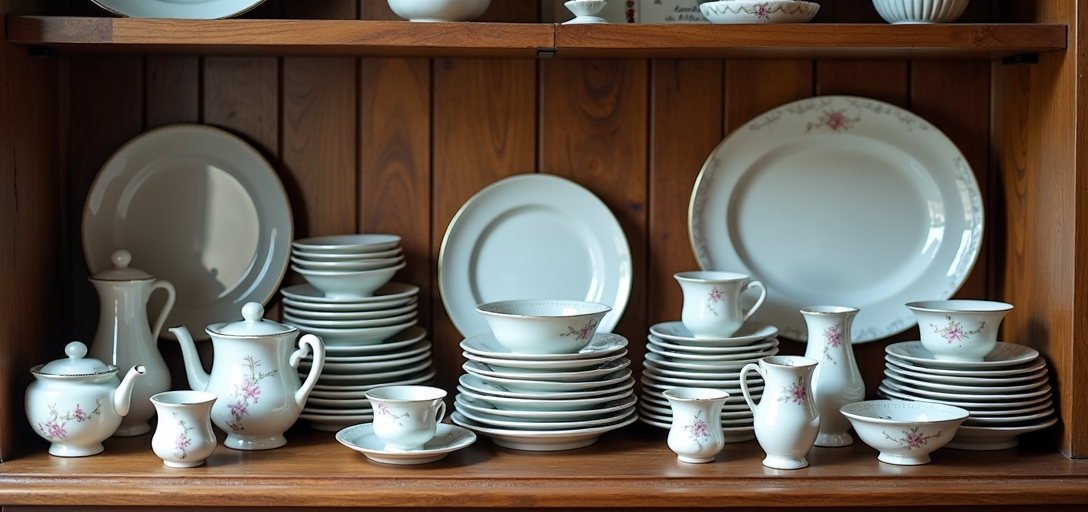
The Enchantment of Old China Collections
Old China collections hold a unique place in the heart of collectors around the world. With a wide array of styles, patterns, and historical significance, these treasures often become worth far more than expected. Whether passed down through generations or discovered at a flea market, understanding the value of your old china can turn a dusty cabinet piece into a remarkable conversation starter—both culturally and monetarily.
What Makes Old China Valuable?
Several factors can influence the value of old china, and understanding these can help determine whether your collection might be worth a fortune.
- Age and Rarity: The age of a china piece typically increases its value, especially if it's from a renowned manufacturer and hard to find in today’s market. Older patterns that were discontinued or made in limited quantities are often more valuable.
- Brand and Manufacturer: Some manufacturers like Royal Worcester, Wedgwood, and Meissen have a long-standing reputation for creating high-quality china. Pieces from these brands often appreciate in value over time.
- Condition: Flaws such as chips, cracks, or repairs can significantly decrease a piece’s value. Conversely, pristine condition can enhance its worth.
- Pattern and Design: Unique and intricate designs that reflect the time period's artistic trends can make pieces more desirable.
- Historical Significance: Pieces with significant historical contexts, previous notable ownership, or ties to major events tend to fetch a higher price.
How to Identify and Authenticate Your Old China
Proper identification and authentication can significantly influence the value of your old china. Here are methods to verify and assess your collection:
- Back Stamps and Marks: Most china pieces come with a back stamp or mark that indicates the manufacturer and sometimes a date. Resources like the "China Marks and Periods" book can help you decipher these marks (Smith, 2026).
- Expert Appraisals: Hire a professional appraiser who specializes in vintage china. They can provide insights into the worth of your collection.
- Consult Online Databases: Websites like Worthpoint provide access to vast databases of archived auction results, helping to determine the market value of similar pieces.
The Market for Old China Collections in 2026
The current market for old china is influenced by trends, demand, and emerging collectors in 2026. Here's a look at the industry landscape:
- Growing Online Sales: Online marketplaces such as eBay and Etsy have made it easier for collectors to buy and sell old china. With increased accessibility, the market has seen a rise in both new and young collectors.
- Auction Houses: Auction websites such as Christie’s and Sotheby’s continue to drive high sales in this sector, with noteworthy pieces sometimes selling for millions (Auction Central, 2026).
- Interest in Sustainability: As sustainability remains a significant cultural trend, the appeal of repurposing and reusing old china gains traction. Collector interest often increases accordingly.
Real-world Examples of Highly Valued China Collections
Let’s take a look at some recent examples of old china that fetched more than anticipated:
- Royal Copenhagen Flora Danica Dinner Service: Sold for over $1 million in 2025 at a Sotheby's auction, this complete service set highlighted the enduring appeal of highly decorative and full service collections (Source: Sotheby's Auction Report, 2026).
- Ming Dynasty Plate: A single blue and white plate from the Ming Dynasty sold for $500,000 at Heritage Auctions, demonstrating the significant value historical context can add.
Maximizing the Value of Your Collection
If you suspect your china collection could be valuable, here’s how you can maximize its worth:
- Careful Storage: Keep items free from dust, moisture, and sun exposure. Consider using acid-free paper for wrapping sensitive pieces.
- Proper Documentation: Maintain a comprehensive catalog of all pieces including photographs, purchase history, and appraisals.
- Market Insight: Stay informed about market trends and potential buyers’ interests through collector clubs and forums.
Conclusion
Old china collections can surprise owners with their substantial worth, whether viewed from historical or monetary perspectives. As you dive into the enchanting world of china collecting, remember that the allure of these delicate pieces transcends mere dollars and cents—contributing to a broader cultural and historical appreciation. With right research and care, you may find that your forgotten cabinet pieces gleam with unexpected value.