Uncover the Hidden Power Hogs in Your Home That Are Draining Your Wallet
Discover the unsuspecting appliances that may be quietly hiking up your electricity bill. While they're essential, some common household devices can consume more energy than you'd think, leading to higher costs.
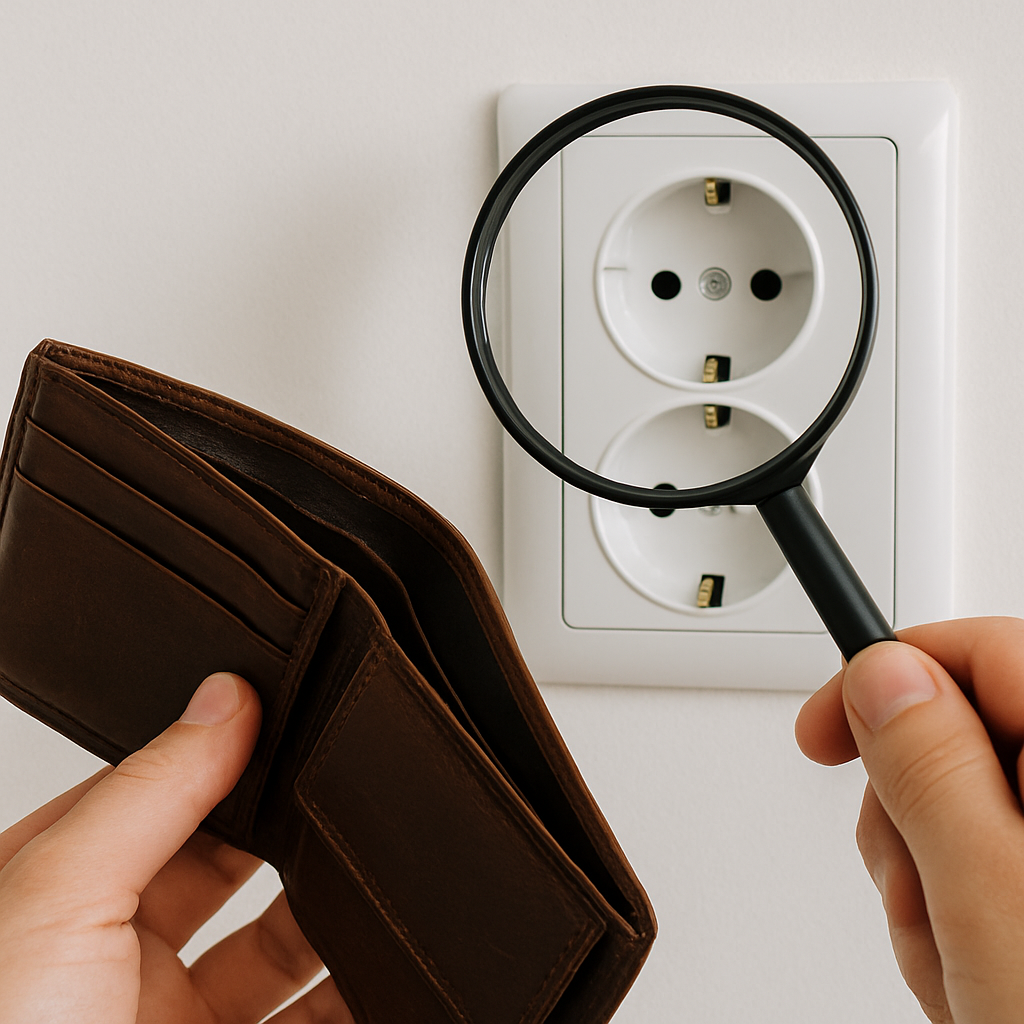
Understanding Hidden Electricity Costs in Appliances
When it comes to household expenses, electricity bills can often be a source of surprise, especially when they increase unexpectedly. Many homeowners are unaware that some appliances, despite their utility, might be driving up electricity costs without their knowledge. Understanding which appliances contribute to these hidden costs can help you manage your household budget more efficiently.
Appliances Often Overlooked for Energy Consumption
Not all appliances are created equal in terms of energy consumption. It is essential to identify which devices in your home might be using more electricity than you realize. Here is a list of common culprits:
- Refrigerators: As one of the few appliances that run continuously, refrigerators can be major energy users. Older models, particularly those over 10 years old, are typically less efficient than newer ENERGY STAR-rated options.
- Water Heaters: Water heaters are often set at higher temperatures than necessary, leading to increased energy usage. Simple adjustments to temperature settings can yield substantial savings.
- HVAC Systems: Inefficient heating, ventilation, and air conditioning systems can run longer than necessary, overconsuming energy, particularly if filters are not regularly replaced or if the system is outdated.
- Standby Power Devices: Devices like televisions, computers, and game consoles can consume power even when turned off. This is known as "phantom load" or standby power
- Inefficient Lighting: Halogen or incandescent bulbs consume significantly more electricity than modern LED alternatives, especially if lights are often left on in unused rooms.
How to Identify Energy-Guzzling Appliances
Identifying which appliances are increasing your electricity bill without you knowing is a critical step towards reducing costs. Here are several strategies to help you assess where your electricity is going:
- Invest in an Energy Monitor: These devices attach to your electrical panel and track household energy use, providing insights into which appliances use the most power.
- Conduct an Energy Audit: Consider hiring a professional energy auditor who can identify inefficiencies and suggest upgrades that could save energy and money.
- Inspect Manufacturer Labels: Look for ENERGY STAR logos or EnergyGuide labels, which can give you an idea of an appliance's energy consumption compared to others.
Efficiency Improvements and Habits
Once you've identified the appliances increasing your electricity bill, there are several steps you can take to enhance their efficiency and potentially reduce costs:
- Upgrade to ENERGY STAR Appliances: Cutting-edge appliances often consume significantly less power than older models.
- Implement Smart Home Solutions: Smart thermostats, plugs, and lights not only improve convenience but also optimize energy use when you are away or asleep.
- Regular Maintenance: Clean or replace filters in HVAC systems regularly to ensure optimal performance. Maintain appliances to ensure they run efficiently.
- Adjust Usage Habits: Simple changes, such as unplugging electronics when not in use, utilizing power strips, and optimizing appliance settings, can make a big difference.
Real-World Impact
According to recent data from the U.S. Energy Information Administration in 2026, the average American household spends approximately $1,550 annually on electricity. With energy prices expected to rise further, identifying and addressing hidden electricity costs is more important than ever. By improving energy efficiency, households can reduce electricity bills by 10-30% — a substantial saving in the long term.
A real-life example includes a family from Texas who conducted a thorough energy audit of their home. By upgrading to energy-efficient appliances and changing their heating habits, they successfully saved over $300 annually on their electricity bills. Articles like those from the American Council for an Energy-Efficient Economy provide similar case studies that highlight the economic and environmental benefits of energy-efficient living. Learn more about energy efficiency here.
Conclusion
While appliances that increase your electricity bill without you knowing may seem daunting, proactive measures can alleviate these hidden costs. By understanding which devices use the most power and making informed decisions, you can better manage electricity usage and ultimately save money. Implementing small changes and upgrades over time can lead to more significant savings and a reduced environmental footprint.
For further advice and tips, the U.S. Department of Energy offers numerous resources for homeowners looking to enhance energy efficiency. Visit their site for more information.