Uncover the Truth: What Homeowners Insurance Really Covers in Flood Situations
Understanding what homeowners insurance covers is crucial for peace of mind, but many discover too late that flooding isn't part of the deal. Does homeowners insurance cover flooding? The answer might surprise you, as policies often exclude this risk.
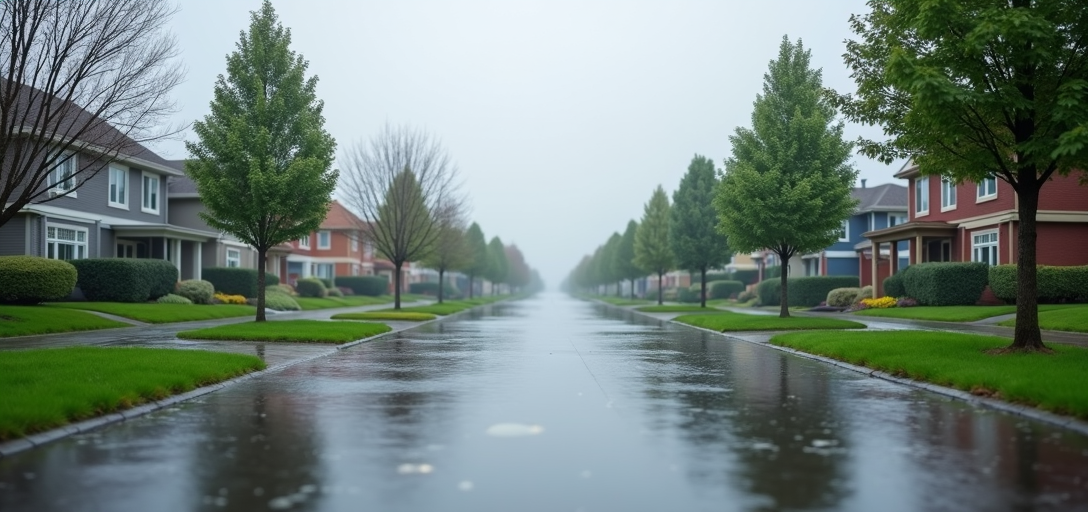
Understanding Homeowners Insurance Coverage
Homeowners insurance is a crucial safety net for protecting what is often the largest investment many of us will ever make: our homes. It generally covers a range of perils, including fire, theft, and some forms of natural disasters. However, a common misconception, which tends to be realized too late for many, is that standard homeowners insurance does not cover flooding.
What Is Typically Covered by Homeowners Insurance?
To understand better the scope of homeowners insurance, let's take a quick look at what these policies typically cover:
- Fire and smoke damage: Most policies cover damage resulting from fire and smoke.
- Theft and vandalism: These policies generally cover damage caused by vandalism and theft.
- Windstorms and hail: Depending on the location, windstorms and hail damage are covered.
- Water damage from plumbing issues: This often includes damage from burst pipes, but does not include flood damage.
- Liability coverage: Protection against lawsuits for bodily injury or property damage that you or family members cause to other people.
- Temporary living expenses: If you’re unable to live in your home due to a covered event, your policy might pay for your hotel stays or other relocation costs.
Does Homeowners Insurance Cover Flooding?
Here's the critical part: flood damage is generally not covered by standard homeowners insurance policies in the United States. This often comes as a shock to homeowners who experience flooding for the first time and find themselves financially vulnerable. Flooding can be caused by hurricanes, tsunamis, heavy storms, overflowing rivers, and other water-related events.
What Is Considered a Flood?
It's important to understand what qualifies as a flood. The National Flood Insurance Program (NFIP), managed by the Federal Emergency Management Agency (FEMA), defines a flood as a general and temporary condition of partial or complete inundation of normally dry land from:
- Overflow of inland or tidal waters
- Unusual and rapid accumulation or runoff of surface waters from any source
- Mudflow
How to Protect Your Home from Flooding
Since standard insurance doesn't cover flooding, how can homeowners protect their property? The key is to consider additional insurance policies specifically for flood coverage.
Flood Insurance Options
In the United States, flood insurance can be purchased through the NFIP or private insurers. Here's what each option typically offers:
- National Flood Insurance Program (NFIP): Provides coverage for both the building and its contents. NFIP policies are available to those living in participating communities.
- Private flood insurance: An increasingly popular choice, especially for those looking for more comprehensive coverage or higher policy limits beyond what NFIP offers.
Recent data from 2026 indicates that about 5 million residences in the US are insured through the NFIP (source), yet many areas are still underinsured against flooding.
Assessing Your Flood Risk
Another key step is to assess the flood risk of your property. FEMA provides flood maps that detail areas of low, moderate, and high risk for flooding. It's crucial to review these maps and consider them when purchasing flood insurance.
Factors Influencing Flood Risk
- Location: Proximity to bodies of water such as rivers, lakes, or oceans significantly increases flood risk.
- Climate Change: Changes in weather patterns can increase the frequency and severity of flooding events.
- Urban Development: Construction can alter natural water flows and increase surface runoff risk.
Recent Trends in Flood Events
In recent years, studies have shown an increase in flood events and the severity of storm impacts due to climate change. An important report by NOAA in 2026 highlighted an increase of 15% in major flood events compared to previous years, underscoring the need for adequate flood insurance coverage.
Case Studies and Examples
Let's consider an example from the 2025 hurricane season when Hurricane Iris impacted the southeastern US. Many homeowners without flood insurance discovered too late that their standard policies would not cover the extensive flood damage caused by storm surges and heavy rainfall. This resulted in significant financial strain as recovery cost estimates soared to $12 billion nationwide (source).
Conclusion: Proactive Measures to Protect Homeowners
While flooding can be a devastating event, understanding your insurance options and being prepared is crucial. Educating yourself on the specifics of what your homeowners insurance covers, acquiring proper flood insurance, and assessing your area’s flood risk are proactive steps that can significantly mitigate financial stress and protect your home from unforeseen floods.