Uncovering Hidden Causes of Sciatica-Like Pain: What You Might Be Missing
Sciaticalike pain can be a mysterious condition that many people feel they understand but often overlook important factors. This type of discomfort can mimic the symptoms of true sciatica, affecting your quality of life.
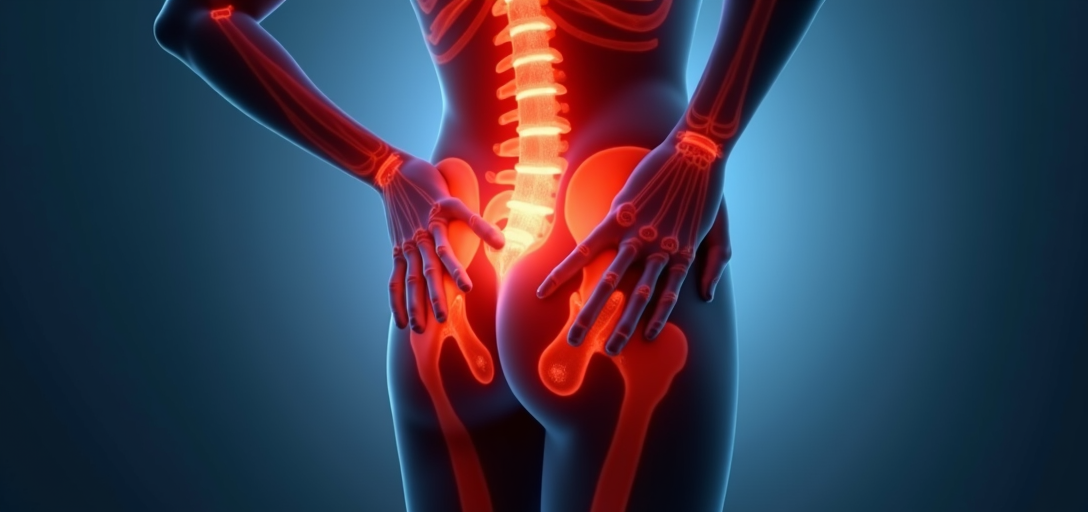
Understanding Sciatica-Like Pain
Sciatica-like pain is a broad term that describes pain symptoms similar to true sciatica but may arise from different underlying causes. It's essential to understand these nuances to pursue appropriate treatments. In Australia, a reported 40% of people experience some form of sciatica or sciatica-like pain during their lives. Understanding what sciatica-like pain encompasses helps in addressing and managing it effectively.
What is Sciatica?
Sciatica refers to pain that radiates along the path of the sciatic nerve, which extends from the lower back through the hips and buttocks and down each leg. Typically, sciatica affects only one side of the body. The pain can vary widely, ranging from a mild ache to a sharp, burning sensation or excruciating discomfort.
Common Causes of Sciatica-Like Pain
Several conditions can mimic the symptoms of sciatica or cause sciatica-like pain. These include:
- Herniated Discs: While a common cause of true sciatica, herniated discs can also cause pain that is mistaken for sciatica if other nerves are affected.
- Piriformis Syndrome: When the piriformis muscle in the buttocks compresses the sciatic nerve.
- Sacroiliac Joint Dysfunction: Misalignment or movement issues in the sacroiliac joint can mimic sciatica.
- Spinal Stenosis: Narrowing of the spaces in the spine can exert pressure on nerves, causing pain like sciatica.
- Muscle Strain: Inflammation from muscle strain in the lumbar region can produce sciatica-like symptoms.
Diagnosing Sciatica-Like Pain
Proper diagnosis is crucial in differentiating sciatica from sciatica-like pain. Health professionals may employ various diagnostic tools to pinpoint the cause, which include:
- Physical Examination: To assess pain levels, muscle strength, and reflexes.
- Imaging Tests: MRI and CT scans can provide detailed images of the spine and surrounding tissues to identify any abnormalities.
- Nerve Conduction Studies: These help assess nerve function and detect nerve damage.
A thorough understanding of a patient's medical history, lifestyle, and specific symptoms is also critical in distinguishing between sciatica and similar conditions.
Treatment Options for Sciatica-Like Pain
Treatment approaches vary based on the underlying cause of the pain. Here are some options:
- Physical Therapy: A tailored exercise program can help improve posture, strengthen muscles, and alleviate pain.
- Medications: Anti-inflammatory drugs and muscle relaxants may be prescribed to reduce pain and inflammation.
- Corticosteroid Injections: Can offer temporary pain relief by reducing swelling around the affected nerves.
- Surgery: Reserved for severe cases where conservative treatments fail, particularly if there's significant weakness or loss of bladder control.
- Alternative Therapies: Acupuncture, chiropractic adjustments, and massage therapy may provide relief for some individuals.
Lifestyle Changes for Managing Pain
Beyond clinical treatments, lifestyle changes can play a significant role in managing and preventing sciatica-like pain. Engaging in regular physical activity, maintaining a healthy weight, and employing ergonomic furniture for work and home can prevent strain on the lower back and improve overall spinal health.
Prevention Strategies
While not all forms of sciatica-like pain can be prevented, certain measures can reduce risk:
- Regular Exercise: Focus on core strength, flexibility, and aerobic activities.
- Proper Lifting Techniques: Use your legs to lift, not your back, and keep the load close to your body.
- Posture: Keep your back straight and balanced to reduce stress on the spine.
For individuals in desk jobs, regular breaks and ergonomic workstations can greatly reduce the risk of developing nerve compression issues that mimic sciatica.
Conclusion: Seeking Professional Help
If you're experiencing persistent or severe pain that limits your daily activities, it's essential to seek professional medical advice. Early intervention can prevent further complications and lead to more effective management of sciatica-like pain.
For Australian readers, resources such as Healthdirect Australia (healthdirect.gov.au) offer valuable information and can guide you towards the appropriate healthcare channels.
As medical science continues to advance, new treatments and understanding of sciatica-like conditions improve. Staying informed and proactive in your health management can make a significant difference in your quality of life.