Understanding AFib and Heart Rate: Knowing When to Visit the Emergency Room
Understanding the connection between AFib and heart rate is crucial for knowing when a trip to the ER is necessary. Cardiologists emphasize the importance of monitoring symptoms, as irregular heart rates can signal urgent situations.
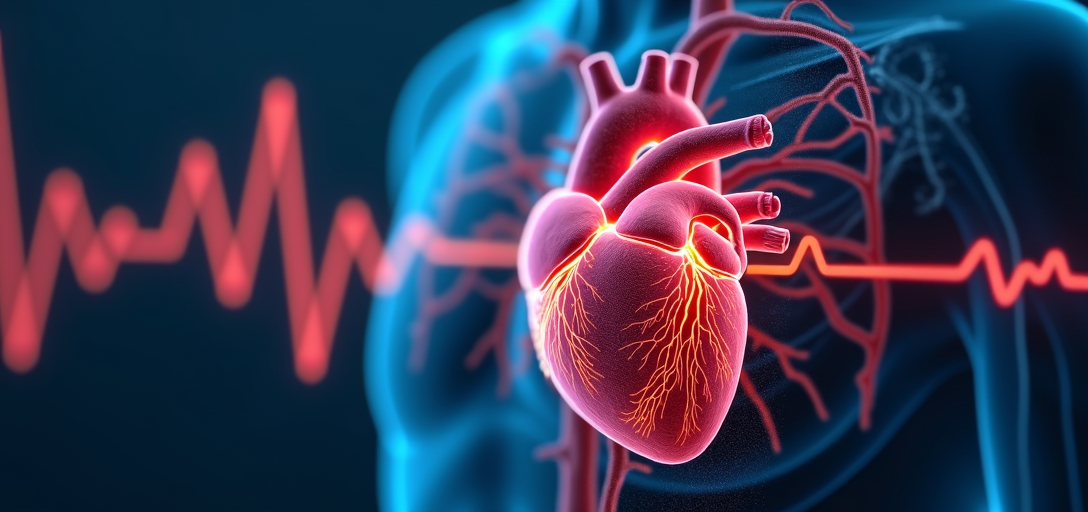
Understanding AFib and When It Becomes an Emergency
Atrial fibrillation, commonly known as AFib, is a heart condition characterized by an irregular and often rapid heart rate. This irregular rhythm can lead to poor blood flow and increase the risk of stroke, heart failure, and other heart-related complications. Understanding when AFib requires emergency treatment is crucial for patients and their caregivers.
What is Atrial Fibrillation?
AFib occurs when the electrical signals in the upper chambers of the heart (the atria) become disorganized, causing them to contract at a high rate. This can lead to a fast and irregular heartbeat that can result in symptoms like heart palpitations, fatigue, and shortness of breath.
- According to the American Heart Association, AFib affects about 2.7 million to 6.1 million people in the United States.
- AFib is more common in older adults, with a higher prevalence observed in individuals aged 65 and above.
Symptoms of AFib
Understanding the symptoms of AFib can help individuals recognize when they might be experiencing an arrhythmia. Common symptoms include:
- Irregular heartbeat or palpitations
- Dizziness or feeling faint
- Shortness of breath
- Fatigue or weakness
- Chest pain or discomfort
Although some individuals may not experience any symptoms, AFib can still have serious health implications.
When Cardiologists Recommend a Trip to the ER
It is critical to know when symptoms of AFib warrant immediate medical attention. While many cases can be managed with medication and lifestyle changes, there are situations where emergency care is vital.
Dangerous Symptoms to Watch For
If you or a loved one experiences any of the following, it’s important to seek emergency care:
- Severe chest pain that may suggest a heart attack
- Fainting or loss of consciousness
- Sudden and severe shortness of breath
- Heart palpitations persisting for several minutes
These symptoms could indicate complications such as a heart attack or stroke, both of which require immediate medical intervention.
Real Life Example: Recognizing a Medical Emergency
Consider John, a 66-year-old man from Florida who has been living with AFib for several years. One evening, he experiences a sudden onset of severe chest pain and breathlessness. Recognizing that these symptoms differ from his usual AFib episodes, his wife calls 911. At the hospital, doctors confirm that John is having a heart attack and administer critical treatment.
Long-term Management and Preventive Strategies
Managing AFib on a day-to-day basis and reducing the risk of emergencies involves a combination of lifestyle modifications, medications, and sometimes medical procedures.
Lifestyle Changes
Implementing healthy lifestyle choices can significantly impact heart health and reduce the severity and frequency of AFib episodes.
- Maintain a healthy diet rich in fruits, vegetables, and lean proteins
- Engage in regular physical activity—aim for at least 150 minutes of moderate exercise each week
- Avoid excessive alcohol and caffeine consumption
- Quit smoking and manage stress effectively
Medical Treatments
For many, medications are key to managing AFib. These may include:
- Antiarrhythmic drugs to maintain a regular heart rhythm
- Blood thinners to prevent stroke
- Rate control medications to manage heart rate
In certain cases, procedures like cardioversion or catheter ablation might be recommended to restore regular heart function.
Recent Advances in AFib Management
The year 2026 has seen several advancements in AFib management. According to a recent study published in the Journal of the American College of Cardiology, new medications are being developed that target the specific electrical pathways responsible for atrial fibrillation, offering promising results in reducing AFib episodes. Read more here.
Conclusion
Recognizing when atrial fibrillation becomes an emergency can save lives. By understanding the symptoms and maintaining a collaborative relationship with healthcare providers, individuals can effectively manage AFib. Staying informed about the latest research and treatments empowers patients to live healthier, more productive lives despite the challenges of this complex condition.