Understanding Amazon Pharmacy's Role in Weight Loss Medication Prescriptions
Discover how Amazon Pharmacy's latest venture might revolutionize the way you obtain weight loss medications. In our comprehensive look, we explore potential benefits and limitations, guiding you through what Amazon Pharmacy can and can't do in this space.
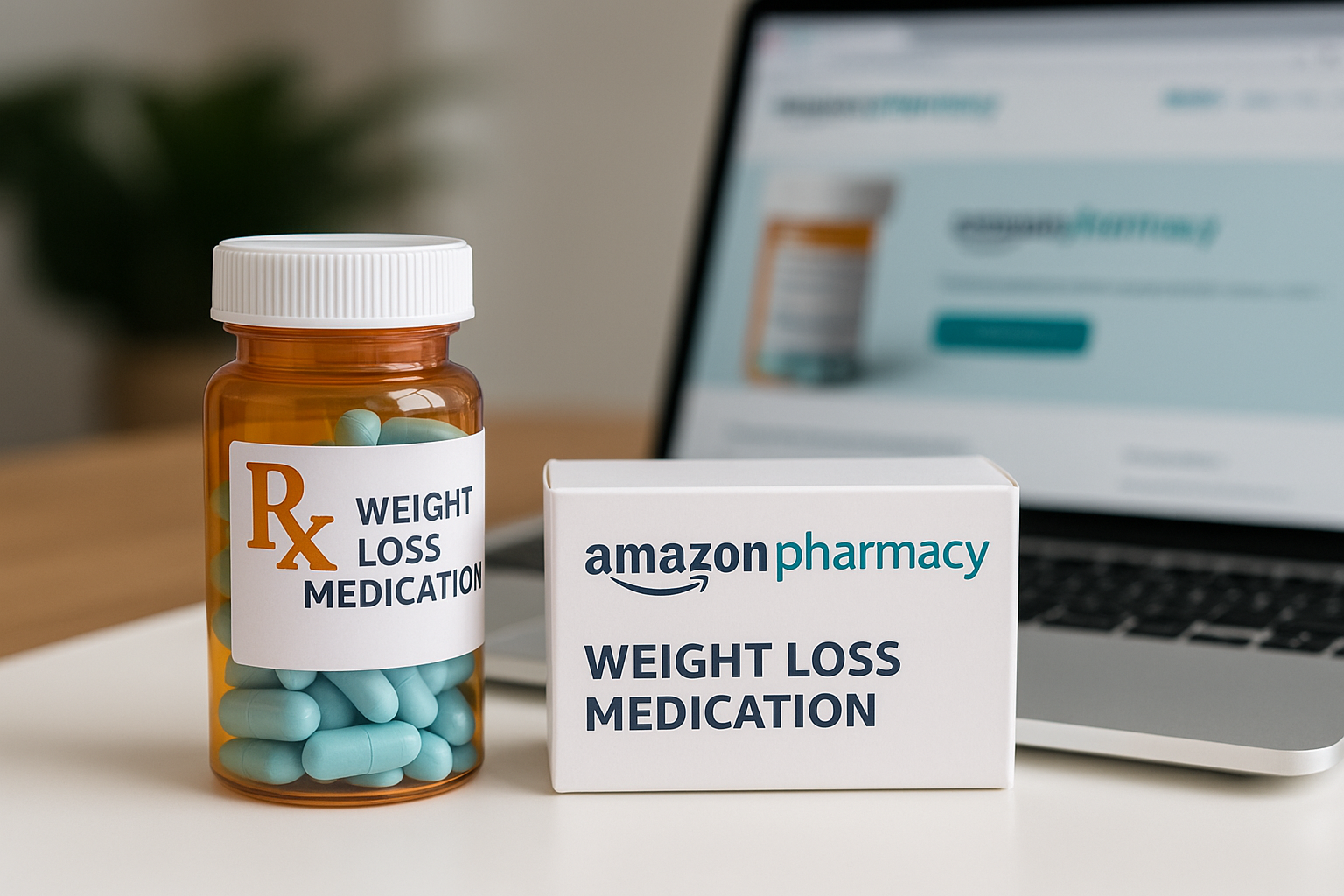
Understanding Amazon Pharmacy's Role in Prescribing Medications
In recent years, Amazon has expanded its reach into the healthcare sector, offering services such as Amazon Pharmacy to streamline medication management for users. If you've seen an ad about whether Amazon Pharmacy can prescribe weight loss medications, you're not alone in wanting clarity. Many people are curious about how this platform works and what services it offers.
What is Amazon Pharmacy?
Amazon Pharmacy is an online pharmacy service that allows customers to order prescription medications and have them delivered directly to their homes. Launched in 2020, this service leverages Amazon's extensive logistics network to make medication management more convenient for users. Amazon Pharmacy is designed to simplify the process of refilling prescriptions, tracking medication costs, and managing pharmacy interactions online.
Can Amazon Pharmacy Prescribe Medications?
While Amazon Pharmacy facilitates the purchase and delivery of medications, it does not itself prescribe medications. Prescription medications require a valid prescription from a licensed healthcare provider. If you're considering weight loss medications, you'll need to consult with a healthcare professional who can assess your health needs and provide a prescription if deemed appropriate.
However, Amazon does offer telehealth services through Amazon Clinic in certain regions, where patients can consult with licensed medical professionals for a variety of health concerns, including weight management. During a virtual consultation, a provider may prescribe weight loss medications if they find it suitable for the patient’s health profile.
How Do Weight Loss Medications Work?
Weight loss medications are typically prescribed as part of a broader strategy to achieve and maintain a healthy weight and must be used in conjunction with lifestyle modifications like diet and exercise. These medications are often indicated for patients who have a high body mass index (BMI) or obesity-related conditions.
Types of Weight Loss Medications
Weight loss medications can be broadly categorized into the following types:
- Appetite Suppressants: These medications work on the brain’s neurotransmitters to help control hunger signals, reducing the urge to eat.
- Fat Absorption Inhibitors: These drugs prevent the absorption of fat in the gastrointestinal tract, thereby reducing calorie intake.
- GLP-1 Receptor Agonists: Originally developed for managing diabetes, these medications make you feel full sooner by acting on specific hormones that regulate appetite.
It's important to discuss with your healthcare provider the most suitable option based on your health needs and existing medical conditions.
Safety and Efficacy of Weight Loss Medications
The U.S. Food and Drug Administration (FDA) is responsible for evaluating the safety and efficacy of weight loss medications before they are approved for public use. It's crucial to take these medications under the guidance of a healthcare provider, as they can have side effects and potential interactions with other medications.
What Studies Say About Recent Approvals
In 2026, a study published in the "Journal of Clinical Endocrinology & Metabolism" highlighted the effectiveness of a new generation of weight loss drugs, which showed promising results in reducing weight by up to 15% in clinical trials over a year. These drugs are especially noted for their ability to manage blood glucose levels along with weight reduction (ClinicalTrials.gov).
Key Considerations
- Patients should always disclose their full medical history to their healthcare provider before starting any weight loss medication.
- Monitoring by a healthcare provider is essential to track progress and manage side effects.
- These medications are typically a short- to medium-term solution rather than a permanent fix alone.
The Future of Online Pharmacies in Health Management
Online pharmacies like Amazon Pharmacy and their integrated services like Amazon Clinic are transforming the healthcare landscape by providing greater accessibility and convenience. These platforms could pave the way for more integrated healthcare solutions in the future, emphasizing telehealth services and patient-centered care.
Technological Advancements and Patient Benefits
Advances in telemedicine and digital healthcare monitoring have allowed patients to access quality healthcare from the comfort of their homes. This is particularly beneficial for weight management, where regular updates and consultations are pivotal.
Conclusion: Comprehensive Health Management
While Amazon Pharmacy itself does not prescribe weight loss medications, its ecosystem supports a comprehensive healthcare approach that includes telehealth services through Amazon Clinic. For effective weight management, it's recommended to consult with healthcare professionals to determine the best course of action tailored to individual health goals and needs. This integrated approach can enhance the accessibility and quality of healthcare, empowering individuals on their journey toward healthier living.