Understanding Anti-Corrosion Treatments: Practical Benefits and Costs for Your Investment
Explore the fascinating world of anticorrosion treatment and learn how it can help prolong the life of your equipment. Discover the benefits of these protective measures and gain insights into the costs involved.
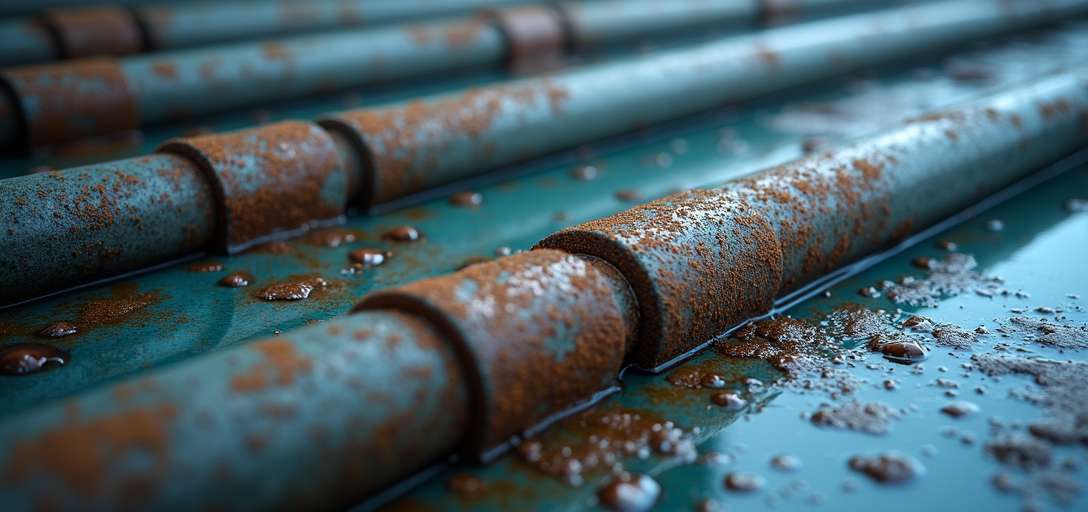
Understanding Anti-Corrosion Treatment
Corrosion is a pervasive issue that affects various industries, from automotive to construction, and can significantly impact the durability and safety of materials and structures. Anti-corrosion treatments are essential solutions designed to combat these detrimental effects and extend the life of materials. For residents and industries in Canada, where volatile weather conditions can exacerbate corrosion, understanding the benefits, costs, and implications of anti-corrosion treatment is crucial.
What is Anti-Corrosion Treatment?
Anti-corrosion treatment involves applying specific techniques or substances to prevent or slow down the oxidation process of metals, which leads to corrosion. The treatments can include coatings, inhibitors, and protective barriers that shield the underlying material from environmental factors that cause rust and decay.
The Benefits of Anti-Corrosion Treatment
Implementing anti-corrosion measures provides sweeping benefits that are not only cost-effective in the long run but also ensure safety and functional integrity. Here are some key benefits:
- Lifespan Extension: By preventing the destructive process of corrosion, the lifespan of your assets is significantly extended, resulting in lower replacement costs over time.
- Safety Enhancement: Corrosion can lead to structural failures, which pose safety risks, particularly in construction and transportation. Treatments ensure that structures remain robust and reliable.
- Cost Savings: While initial costs may seem daunting, the savings from decreased maintenance and replacement make anti-corrosion treatment a financially wise decision. A recent study estimated that industries can save up to $3 billion annually (2026 study) with effective corrosion management strategies.
- Environmental Protection: Reducing the need for frequent replacements through anti-corrosion treatments aids in sustainability by lowering the consumption of raw materials and decreasing waste.
Understanding the Costs Involved
Cost considerations for anti-corrosion treatments can vary widely depending on the type of treatment chosen, the scale of the project, and the specific environmental conditions of the workplace in Canada.
Factors Influencing Cost
- Type of Treatment: Common treatments include galvanization, anodic protection, and coatings, among others. Each comes with its price point and effectiveness depending on the application.
- Material and Surface Area: The type of material and the condition of the surface being treated also impact costs. Larger or more intricate surfaces often require more substantial investments.
- Local Labor and Material Costs: Labor and material prices can vary between regions in Canada. Urban areas might have higher costs compared to rural settings due to factors like accessibility and demand.
Overall, while prices can range, investing in high-quality anti-corrosion treatment ensures long-term savings. Professional assessments are recommended to get precise cost estimates tailored to specific needs.
Popular Anti-Corrosion Techniques
Several tried-and-true methods help protect materials from corrosion, each with its advantages and ideal use cases.
Galvanization
This process involves coating iron or steel with zinc, which serves as a protective layer against rust. Common in industries like construction and automotive, galvanization is especially beneficial given the harsh Canadian winters that can expedite rust formation.
Anodic Protection
Anodic protection changes the electrochemical environment of metals to render them less reactive. This technique is particularly useful for large storage tanks and pipeline systems in industries.
Protective Coatings
These include organic coatings, such as paints and varnishes, and inorganic coatings like ceramic or glass. Protective coatings are versatile and applicable in various contexts where aesthetic and defensive qualities are both required.
Real-World Examples and Data
Industries across Canada are increasingly adopting anti-corrosion treatments as part of their standard maintenance protocols to improve efficiency and reliability. For instance, the automotive industry, particularly in Ontario and Quebec, has seen significant benefits in vehicle longevity and safety through improved corrosion treatments. Another example is the maritime industry, where the aggressive saline conditions necessitate robust corrosion protection for vessels operating in the Atlantic and Pacific Oceans.
Key Considerations When Choosing Anti-Corrosion Treatments
When determining which anti-corrosion strategy to invest in, consider the following factors to ensure you make informed and strategic decisions:
- Environmental Conditions: Understand the environmental factors that contribute to corrosion in your region; for instance, moisture and salt levels in maritime climates versus urban pollution levels.
- Material Type and Usage: Consider the specific metals involved and their exposure levels. Some treatments are better suited for specific metals like aluminum versus steel.
- Longevity and Maintenance: Assess the expected lifespan of both the treatment and the underlying material, including maintenance schedules and associated costs.
For further detailed insights, see the report by the National Research Council of Canada (NRC) on corrosion and its impact on Canadian infrastructure, and consider consultation with professionals who specialize in materials engineering (National Research Council Canada, Correng Engineering Canada).
By thoroughly understanding these elements, you can ensure you choose a suitable and cost-effective solution that will protect your assets and contribute to their longevity and performance.