Understanding Average Retirement Savings by Age in the USA
Curious about how your retirement savings compare to others in your age group? Discover insights into average retirement savings by age in the USA. While individual situations vary, understanding these averages can guide your planning and offer perspective on financial preparation for retirement.
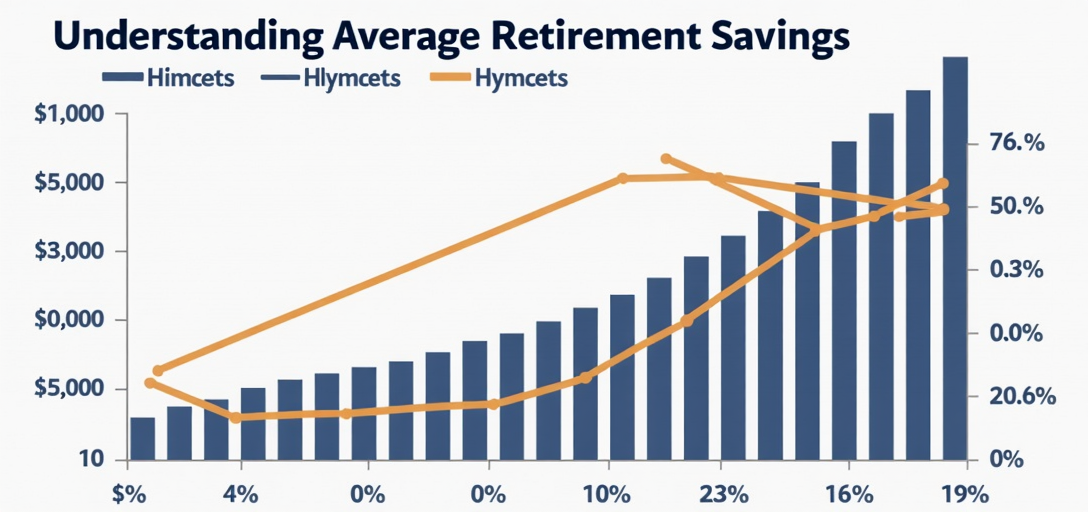
Understanding Average Retirement Savings By Age in the USA
Retirement planning is a crucial aspect of financial management, and understanding how your savings compare to national averages can help guide your strategy. In this article, we'll explore the average retirement savings by age in the USA, and provide insights into how you can better prepare for your golden years. We'll also address the common questions and concerns you might have about retirement savings.
Why Knowing the Averages Matter
Knowing the average retirement savings by age can help you gauge your progress and set actionable financial goals. By analyzing where you stand relative to others, you can identify areas of improvement and make necessary adjustments to your savings plan.
Average Retirement Savings for Different Age Groups
According to recent data from 2026, retirement savings vary significantly across different age groups. Let's break down these averages to provide a clearer picture of the financial landscape.
Ages 20-29: Starting the Journey
The 20s are typically when individuals begin their careers and might not prioritize saving for retirement. However, contributing to a retirement account early can have substantial benefits due to compound interest. Average savings for this age group are generally lower, around $16,000.
- Focus on contributing to employer-sponsored 401(k) plans if available.
- Consider opening an IRA if your employer does not offer a retirement plan.
- Pay down high-interest debt to free up more money for savings.
Ages 30-39: Building Momentum
By the 30s, individuals often experience salary increases and more stability in their careers. The average retirement savings for this age group increases to approximately $84,000. This is a critical time to maximize contributions and leverage any employer matching contributions.
- Aim to save at least 15% of your salary towards retirement.
- Establish an emergency fund to protect your retirement savings.
- Regularly increase your contributions to take advantage of compound growth.
Ages 40-49: Catch-Up Phase
During the 40s, individuals may need to catch up on retirement savings. The average amount saved reaches around $160,000. Many will focus on eliminating debt and paying off mortgages to allocate more resources towards saving.
- Consider "catch-up" contributions if you're over 50, which allows for higher contributions.
- Refocus financial goals and adjust your lifestyle to increase savings rate.
- Seek professional financial advice to optimize your retirement strategy.
Ages 50-59: Preparing for Retirement
As retirement nears, the average savings amount grows significantly, typically reaching $237,000. In this stage, the focus shifts towards adjusting the investment portfolio for less volatility and planning for retirement expenses.
- Review retirement goals and adjust savings targets accordingly.
- Consider diversifying retirement portfolios to reduce risk exposure.
- Plan for health care costs and other potential retirement expenses.
Ages 60 and Above: Transitioning into Retirement
In the 60s and beyond, individuals usually finalize their retirement savings, with an average balance of $282,000. The focus should be on ensuring that you have enough to cover at least 70% of pre-retirement income and managing withdrawals efficiently.
- Develop a concrete withdrawal strategy to minimize tax liabilities.
- Explore social security benefits and make informed decisions on when to begin collecting them.
- Continue to monitor and adjust your investment strategy as needed.
Factors Affecting Retirement Savings
Various factors influence retirement savings, including income level, lifestyle choices, and economic conditions. It's important to consider these factors for a comprehensive understanding of your financial standing.
Income and Employment
Higher income levels typically allow for greater saving capabilities. Stable employment with benefits like an employer-sponsored retirement plan can significantly impact savings. If your job offers a 401(k) with a company match, it's critical to contribute enough to get the full match since it's essentially free money.
Healthcare and Living Expenses
The increasing cost of healthcare and living can impact the amount you're able to save. Planning for these future expenses can ensure that your retirement savings plans remain on track.
Investment Strategies
Diversifying investments and adjusting portfolios based on age and risk tolerance can impact savings growth. Individuals close to retirement should focus on preserving capital, while those younger can afford to take on more risks for higher returns.
Strategic Ways to Boost Your Savings
Regardless of your age, there are strategic steps you can take to boost your retirement savings.
- Take advantage of tax-advantaged accounts. Maximize contributions to 401(k), IRA, or Roth IRA accounts to benefit from tax advantages.
- Increase savings rate gradually. Aim to increase your savings rate by 1% each year.
- Automate savings. Set up automatic transfers to your retirement accounts to ensure consistent contributions.
Conclusion
Preparing for retirement requires careful planning and disciplined savings habits throughout one's career. Understanding the average retirement savings by age can help guide you in setting realistic goals and making informed financial decisions. For more detailed guidance, consider consulting with financial advisors who can provide personalized strategies based on your unique situation.