Understanding Boiler Replacement Grants in the UK: Who Qualifies in 2026?
Curious about boiler replacement grants in the UK for 2026? Discover who might be eligible and what criteria are involved in securing these valuable grants. While specific qualifications can vary, staying informed on what forms of financial aid are available for replacing your boiler is essential.
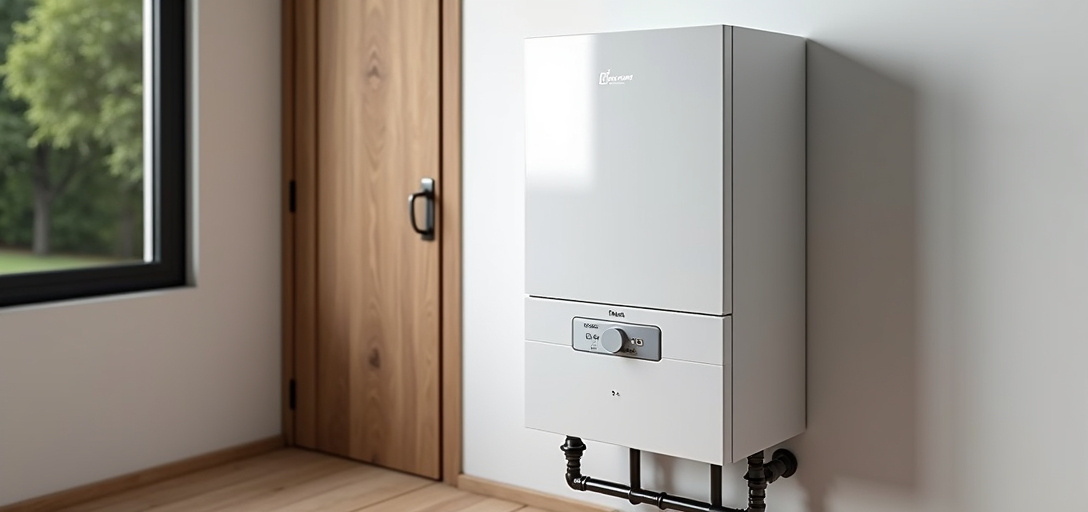
Understanding Boiler Replacement Grants in the UK
The UK government has been actively promoting energy efficiency and sustainability efforts, and boiler replacement grants play a crucial role in this initiative. With the year 2026 seeing an increased focus on reducing carbon footprint, understanding who qualifies for these grants is more important than ever.
What are Boiler Replacement Grants?
Boiler replacement grants are financial incentives provided by the government or approved agencies to support homeowners in replacing old, inefficient boilers with newer, more energy-efficient models. These grants aim to reduce energy consumption and greenhouse gas emissions, aligning with the UK’s climate goals.
Eligibility Criteria for Boiler Replacement Grants in 2026
The criteria for qualifying for a boiler replacement grant have evolved, focusing on broader socio-economic factors to support those who need it most.
Primary Eligibility Factors
- Income Level: Households with low income are generally prioritized for these grants. This is assessed based on household earnings compared to local cost-of-living standards.
- Age of Boiler: Grants often target boilers that are over 10-15 years old, as they are usually less energy efficient.
- Property Ownership: Typically, homeowners are eligible for grants, though some schemes may offer support to tenants with consent from landlords.
Additional Considerations
- Location-Based Incentives: Certain regions may have additional grants available, acknowledging regional disparities in heating needs and energy efficiency measures.
- Specific Circumstances: Vulnerable individuals or those with disabilities often receive prioritized status in grant allocation.
How to Apply for a Boiler Replacement Grant
Applying for a boiler replacement grant involves several steps that ensure your eligibility and determine the appropriate amount of financial assistance.
Steps to Apply
- Assess Eligibility: Review eligibility criteria with a focus on your income, the age of your boiler, and household circumstances.
- Contact Approved Providers: Reach out to government-approved energy companies or your local council to begin the application process.
- Submit Required Documents: Be prepared to provide proof of income, property ownership, and details of your current heating system.
- Energy Assessment: An approved assessor may need to visit your property to determine the necessity and scope of boiler replacement.
The Impact of Boiler Replacement Grants
The utility of these grants extends beyond individual cost savings, influencing national energy consumption patterns and aiding in the transition to a greener economy.
Economic Benefits
Households that receive boiler replacement grants often see a significant reduction in energy bills, making more funds available for other necessities. This economic relief can be especially impactful for low-income families.
Environmental Impact
Replacing old boilers with modern, energy-efficient systems reduces household energy use and carbon emissions. According to the UK Department of Energy, each replaced boiler can save about 1.5 tonnes of CO2 annually.
Challenges and Considerations in 2026
Despite the clear benefits, the application process and criteria for boiler replacement grants can pose challenges for some applicants.
Common Challenges
- Application Complexity: The process can be complex and time-consuming, requiring detailed paperwork and coordination with multiple agencies.
- Limited Awareness: Many eligible households remain unaware of the grants due to inadequate information dissemination.
Future Outlook
The government plans to expand the scope and reach of these grants. Proposed policies are geared toward simplifying application processes and ensuring equitable access through digital platforms, as supported by recent data from Energy Saving Trust.
Real-World Example: A Successful Grant Recipient in 2026
Consider the story of Emma, a single mother from Manchester who recently qualified for a boiler replacement grant. Emphasizing financial constraints as a barrier to upgrading her faulty boiler, Emma was able to secure a grant that covered the full cost of installation. This made her home significantly warmer and her utility bills more manageable. Emma's case highlights the crucial role these grants play in improving quality of life and energy efficiency.
Conclusion
Boiler replacement grants in the UK are a vital tool in the country’s energy efficiency strategy. While eligibility criteria may seem daunting, the potential savings and environmental benefits are significant. It is crucial for potential applicants to stay informed and proactively engage with local councils and approved providers to take full advantage of available resources in 2026.