Understanding Cash Now Pay Later: A Guide to Flexible Financial Solutions
Explore the benefits and considerations of Cash Now Pay Later Loans in this informative article. Learn how these loans can help manage your finances by offering immediate funds while allowing you to defer payments. Understand the potential costs and make informed decisions without overcommitting.
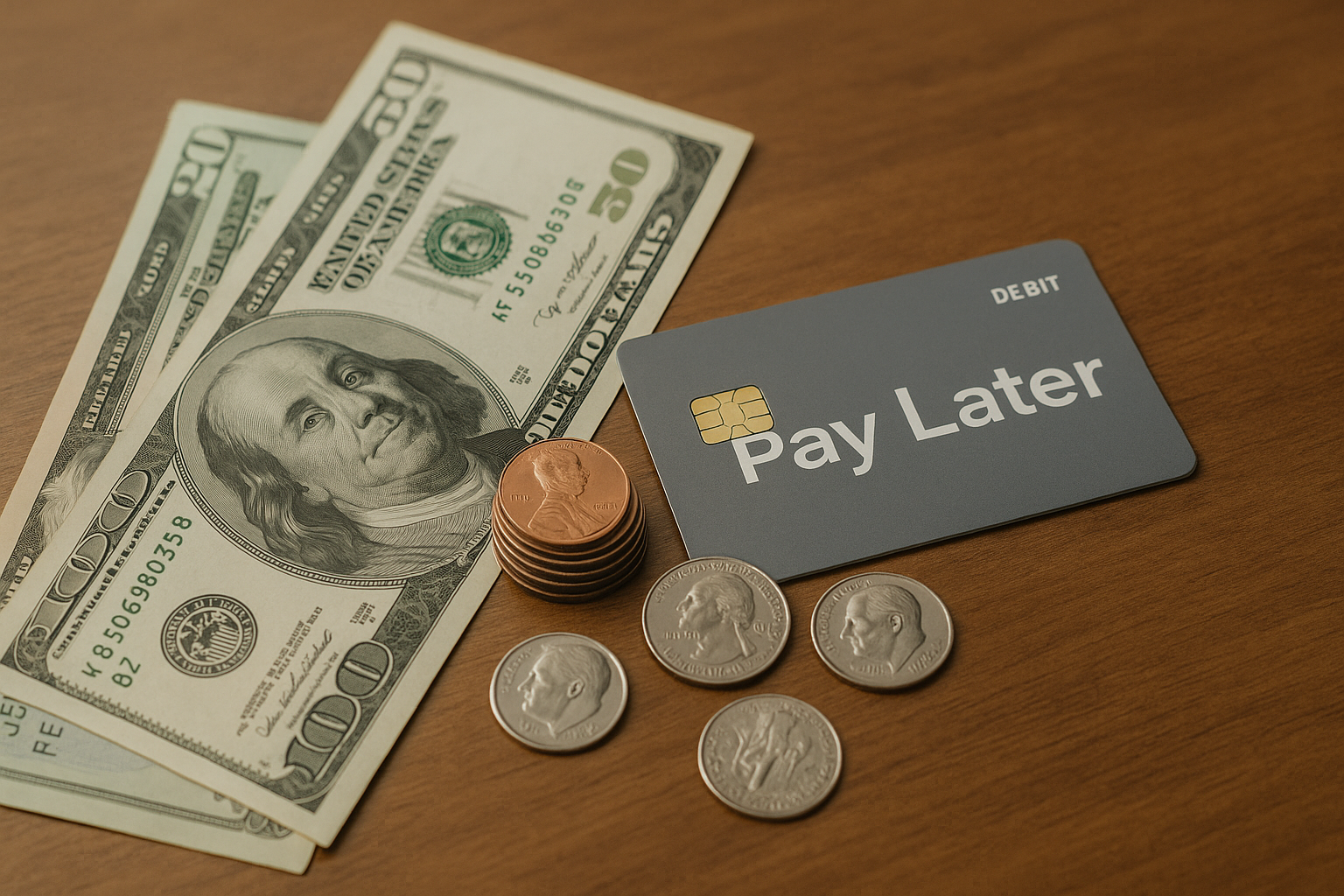
Understanding "Cash Now, Pay Later" Loans
In today's fast-paced financial landscape, the allure of "Cash Now, Pay Later" loans has captured the interest of many. Advertisements for these services promise immediate financial relief with a delayed repayment schedule. But what exactly are these loans, and how do they work? This article delves into the specifics, offering insight and guidance to help you make informed decisions.
What Are "Cash Now, Pay Later" Loans?
"Cash Now, Pay Later" loans, commonly known as deferred payment loans, provide borrowers with immediate funds while allowing them to postpone repayment. They are a type of short-term financing often used to cover urgent expenses without the immediate burden of reimbursement.
How They Work
- Application Process: Borrowers typically need to fill out an online form, providing basic personal and financial details.
- Approval: These loans usually have a quick approval process, focusing on employment status instead of comprehensive credit assessments.
- Disbursement: Once approved, the cash is swiftly deposited into the borrower's bank account.
- Repayment Schedule: Payments are often deferred, meaning borrowers agree to pay back the loan at a later date, with interest.
Questions You Might Have
Are "Cash Now, Pay Later" Loans Safe?
Safety largely depends on the lender's legitimacy. Regulatory bodies such as the Consumer Financial Protection Bureau (CFPB) advocate for transparency and fair practices in lending. Checking for accreditation and reviews can also help ensure you're dealing with a reputable entity.
How Do Interest Rates Work?
The interest rates on these loans can vary significantly. It's crucial to read the terms and understand the annual percentage rate (APR) and any additional fees. The Federal Reserve's recent reports show interest trends and can offer benchmarks for what to expect.
What Are the Pros and Cons?
There are several advantages and disadvantages to consider.
Pros
- Immediate Access: Quick cash availability can be a lifesaver in emergencies.
- Ease of Application: Minimal paperwork and online processes make it accessible.
Cons
- High-interest Rates: These loans often come with higher interest rates, reflecting their risk.
- Potential for Debt Spiral: The ease of access may tempt frequent borrowing, leading to debt accumulation.
Real-World Examples
Consider a scenario where a sudden medical expense arises. A "Cash Now, Pay Later" loan can provide the necessary funds to cover the bill, with repayment deferred until the next payday. However, it's imperative to ensure that subsequent paychecks can accommodate the repayment without compromising other obligations.
Consumer Tips for Using "Cash Now, Pay Later" Loans
To navigate these loans wisely, consider the following tips:
Conduct Thorough Research
Use resources like the CFPB and financial watchdogs to vet potential lenders. Look for capped interest rates and transparency in terms.
Assess Necessity
Before borrowing, evaluate whether the expense is urgent and unavoidable. Always explore alternative solutions like negotiating payment plans with creditors or borrowing from family.
Plan Your Repayment
Ensure your budget can handle the loan repayment alongside regular expenses. Using a budget calculator or financial planning app can help manage cash flow effectively.
Conclusion
"Cash Now, Pay Later" loans offer a valuable financial tool when used judiciously. By understanding their mechanics, evaluating necessity, and choosing trustworthy providers, you can harness their benefits while mitigating risks. As the financial world evolves, staying informed remains your best tool for maintaining fiscal health.