Understanding Cataracts: Causes with Age and Effective Treatment Options
Curious about what causes cataracts with age and how to treat them? Cataracts often develop as part of the natural aging process, and understanding the signs can help you seek timely interventions.
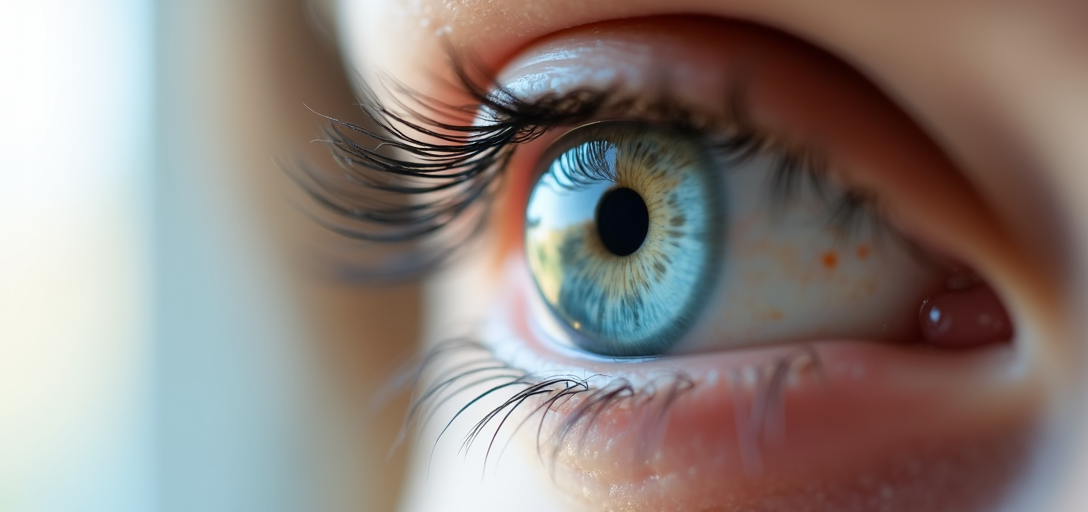
Understanding Cataracts: What They Are and How They Relate to Aging
Cataracts are a common vision problem that primarily affects older adults. In the United States alone, it is estimated by the National Eye Institute that over 24 million Americans aged 40 and older are affected by cataracts, and this number is projected to rise. But what exactly are cataracts, and why do they develop with age?
A cataract is a clouding of the lens in the eye, which normally is clear. This clouding can lead to blurred vision, difficulty with glare, and even blindness if left untreated. As we age, the proteins in the lens can start to break down and clump together, forming cataracts. Although age is a major risk factor, many other factors can accelerate the development of cataracts, including smoking, excessive alcohol consumption, and prolonged exposure to UV light.
Causes of Cataracts with Age
The Aging Process and Eye Health
The primary cause of cataracts is the natural aging process. As the body ages, biochemical changes in the lens result in the accumulation of opacities, leading to a gradual clouding effect. This process often begins after age 40 and increases significantly in populations older than 60.
- Oxidative Stress: Over time, oxidative stress can damage the eye’s lens. The lens is particularly vulnerable to oxidative stress since it lacks significant blood supply to deliver antioxidants efficiently.
- Protein Aggregation: As mentioned earlier, the proteins within the lens can aggregate over time. This aggregation leads to the clouding typical of cataracts.
- Diabetes: High blood sugar levels can lead to the development of cataracts at a younger age compared to non-diabetics.
Genetic Predisposition
Genetics also play a role in cataract development. If there's a family history of cataracts, especially early-onset cataracts, this can increase a person's risk.
Recognizing Symptoms and Getting Diagnosed
Symptoms to Watch For
Cataracts develop slowly and painlessly, making it hard to notice symptoms until the condition becomes significant:
- Blurry or fuzzy vision
- Difficulty seeing at night or in low light
- Sensitivity to light and glare
- Seeing "halos" around lights
- Fading or yellowing of colors
Diagnostic Procedures
If you suspect a cataract, an eye examination by an ophthalmologist is essential for diagnosis. This may include visual acuity tests, a slit-lamp examination, and a retinal exam.
Treatment Options for Cataracts
Non-Surgical Approaches
While surgery is often necessary to remove cataracts, there are non-surgical measures that may help in the early stages:
- Using new prescription glasses, bifocals, or contact lenses
- Utilizing brighter lighting in your reading or working area
- Wearing anti-glare sunglasses
Surgical Treatments
Cataract surgery is one of the most common and effective procedures performed in the US. According to a 2026 report by the American Academy of Ophthalmology, over 3.8 million cataract surgeries are performed annually in the US.
The procedure involves removing the clouded lens and replacing it with an artificial one, known as an intraocular lens (IOL). The surgery usually takes less than an hour and is performed on an outpatient basis, meaning there's typically no need for an overnight hospital stay.
Recent advancements have developed in laser-assisted cataract surgery, which allows for greater precision and minimal recovery time, enhancing patient outcomes.
Prevention and Lifestyle Modifications
Protecting Your Vision
While aging is inevitable, certain lifestyle modifications may reduce the risk or delay the onset of cataracts:
- UV Protection: Use sunglasses that block 99% to 100% of both UVA and UVB rays.
- Healthy Diet: Incorporate plenty of fruits and vegetables into your diet, especially those high in antioxidants like Vitamin C, as they support eye health.
- Regular Eye Exams: Stay proactive with regular checkups to detect the early formation of cataracts.
Eliminating Risk Factors
Controlling medical conditions, like diabetes, reducing alcohol consumption, and quitting smoking can also play a significant role in cataract prevention.
Conclusion
Cataracts are a natural part of the aging process but understanding the causes, symptoms, treatment options, and prevention strategies can greatly improve quality of life. With modern advancements in medicine and a proactive approach to eye health, cataracts can often be managed effectively or even delayed. Stay informed, attend regular eye examinations, and don’t hesitate to consult a healthcare provider if you notice any changes in your vision.