Understanding Competitive APY Rates for 12-Month CDs in 2026
Curious about what a good APY for a 12-month CD in 2026 might be? It's important to understand how interest rates can impact your savings and help you make informed decisions.
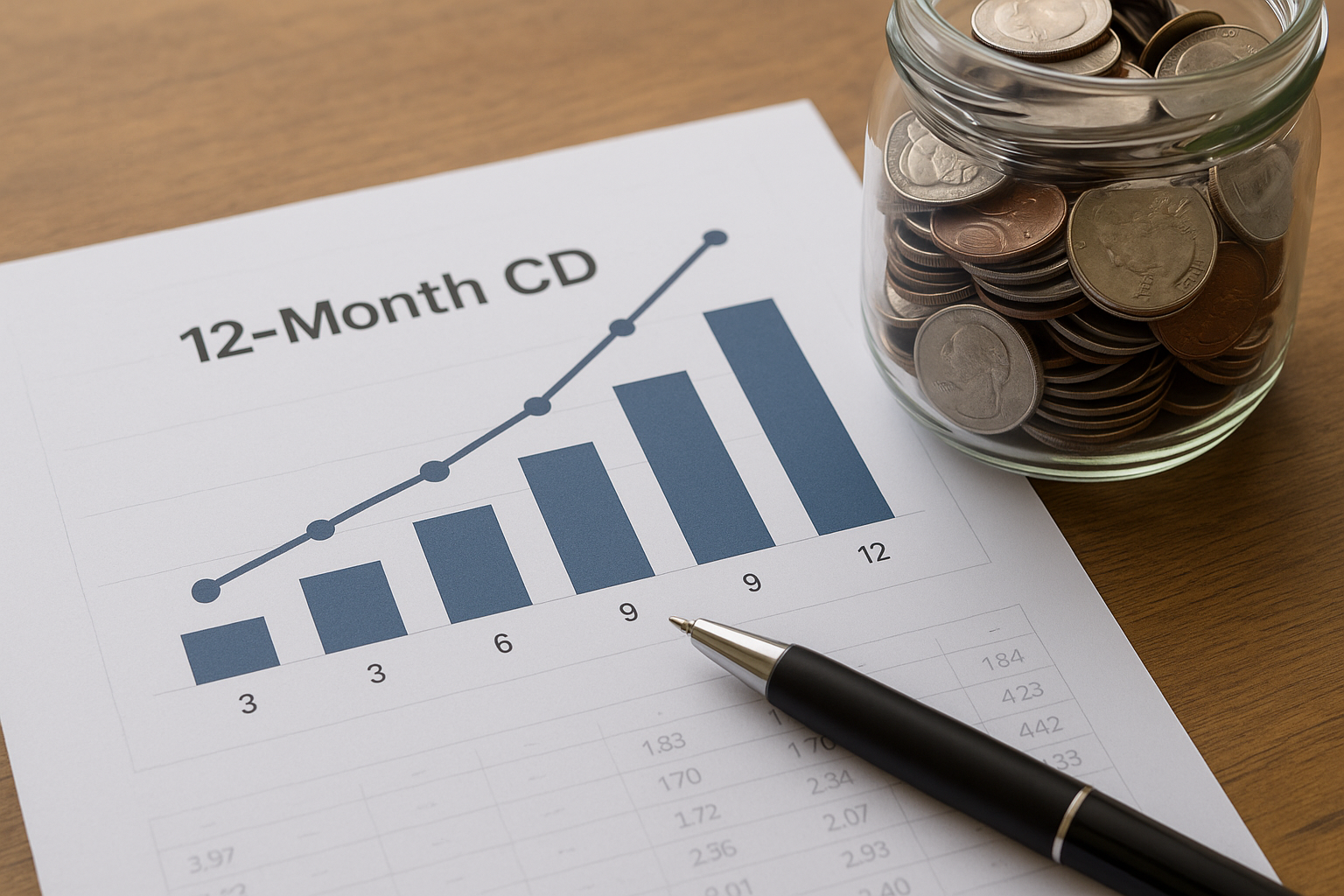
Understanding APY in the Context of CDs
Annual Percentage Yield (APY) is a crucial term when it comes to Certificates of Deposit (CDs), as it determines the potential growth of your investment over a specified period. In simple terms, APY represents the real rate of return on a CD, accounting for the effect of compounding interest. If you're considering a 12-month CD in 2026, understanding what constitutes a "good" APY is essential to making an informed decision.
What Influences CD Rates in 2026?
The APY for CDs can vary depending on several factors including monetary policy, inflation rates, and economic conditions. In 2026, experts foresee gradual economic recovery influenced by technological advancements and policy changes that might stabilize or alter interest rates offered by banks. Understanding these influences can guide you in predicting possible trends in CD rates.
- Monetary Policy: The Federal Reserve's actions significantly impact interest rates. If the Fed raises rates, banks might offer higher APYs on CDs.
- Inflation: With inflation trends stabilizing, banks may adjust their rates to attract savers while maintaining margins.
- Economic Conditions: A robust economy could lead to higher consumer spending, encouraging banks to offer more competitive rates on CDs to acquire more funds.
Evaluating Good APY for a 12-Month CD
Determining a "good" APY for a 12-month CD in 2026 involves a comparison with the national average rate and peer offerings. As of recent data, the national average for 12-month CDs stands around 3.00% APY. However, a "good" APY might be significantly above this baseline, considering factors such as institutional offerings and promotions.
How to Assess and Compare CD Offers
To evaluate various CD offers, you should compare APY rates across different banks and credit unions, focusing on those with higher rates. Here's a step-by-step approach:
- Research: Begin by checking rates from top banks and credit unions. Websites of financial institutions often display current CD rates.
- Comparison Tools: Utilize online comparison tools and resources to view side-by-side CD rates.
- Read Terms: Look into the terms and conditions for each CD. Some high rates might come with restrictions or fees.
- Customer Reviews: Consider feedback from other investors about their CD experiences with particular banks.
Real-World Examples
Let's consider realistic CD offerings of 2026. Hypothetically, suppose Bank A offers a 3.50% APY for a 12-month CD, and Credit Union B offers 3.75% APY. Although Credit Union B offers a better rate, assessing factors like minimum deposit requirements and penalties for early withdrawal can influence the decision to lock in with them.
Alternatives to CDs in 2026
While CDs are a safe investment, exploring alternative short-term investments can help diversify your portfolio:
- Money Market Accounts: These often provide competitive interest rates with the flexibility of easier withdrawals.
- High-Yield Savings Accounts: A viable alternative with liquidity benefits, with interest rates sometimes matching or exceeding CD rates.
- Bonds: Short-term bonds, though slightly riskier, can offer higher yields depending on the issuer's financial health.
Conclusion: Making the Informed Choice
A good APY for a 12-month CD in 2026 is subject to current economic factors and your financial goals. Keeping an eye on economic forecasts and market trends can provide insights into rate movements. Always evaluate APY rates in the context of your liquidity needs and risk tolerance. Using resources like reputable financial websites and investing tools can aid in making the right choice that aligns with your savings strategy.
For further information, consider visiting sources such as: Bankrate for CD rate comparisons, Investopedia for understanding financial terms, and The Federal Reserve's website for economic updates and policies affecting interest rates.