Understanding Daily Triggers of Atrial Fibrillation Flare-Ups
Understanding what everyday triggers cause a sudden Afib flareup is crucial for managing the rhythm. Common lifestyle factors can significantly impact heart health. Learn about the underlying mechanisms and how subtle shifts in your daily routine might contribute to a sudden Afib flareup.
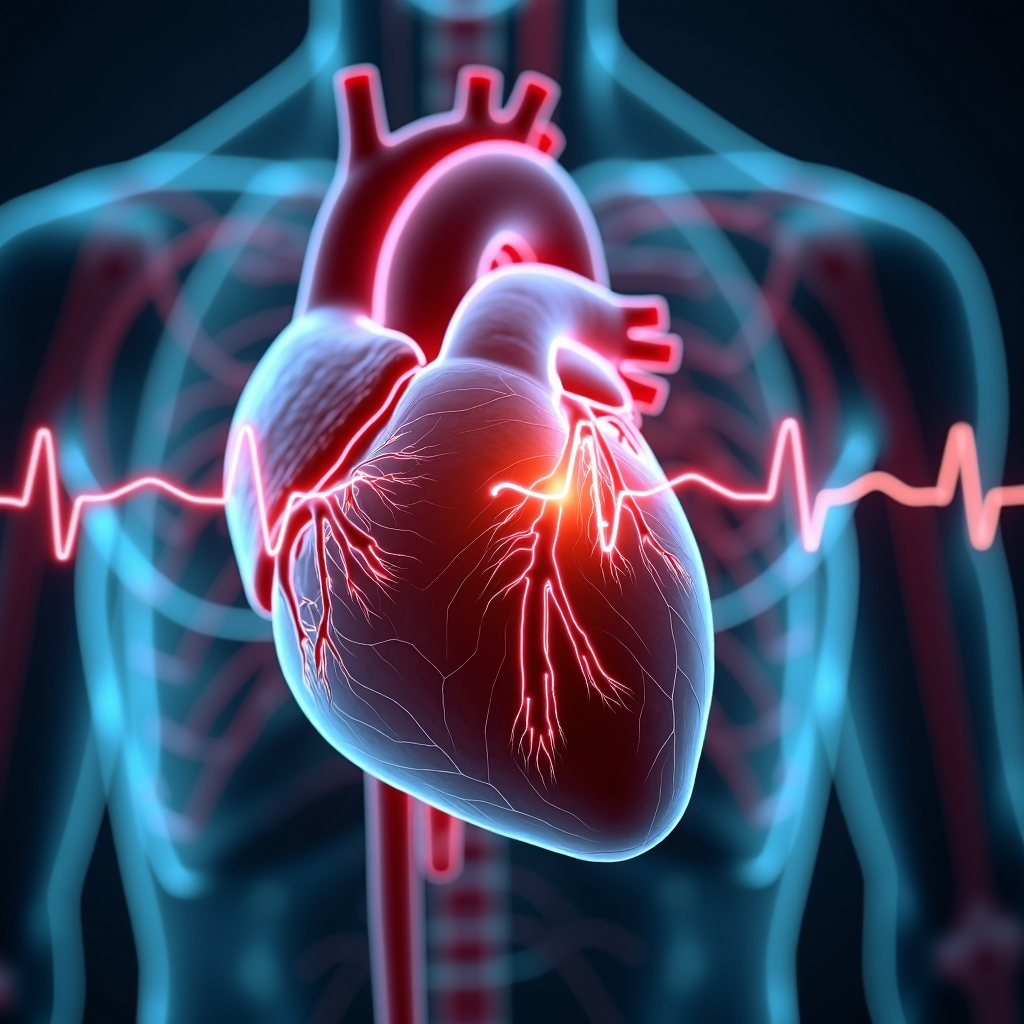
Understanding the Mechanism: Why Do Triggers Cause Afib Flare-ups?
When you are diagnosed with atrial fibrillation (Afib), the discussion often centers around rhythm control or rate control. However, the underlying question—"Why did this flare up *right now*?"—is often the most alarming. It’s crucial to understand that Afib is not always an 'on/off' switch, but rather a dynamic electrical instability. The triggers we discuss aren't necessarily malicious; they are environmental or physiological moments that push the heart's electrical system over the edge, interrupting the normal synchronized signaling from the sinoatrial (SA) node.
At its core, a flare-up means the rapid, disorganized electrical signals (re-entry circuits) that maintain the Afib state have found a favorable environment to thrive. Think of your heart's electrical system like a delicate electrical grid. When the system is stressed—by dehydration, excessive adrenaline, or disrupted sleep—the grid becomes fragile, and the first small overload can cause a large-scale outage.
The Role of Atrial Remodeling
A critical concept often misunderstood is atrial remodeling. Chronic or recurrent Afib tends to physically change the structure and electrical properties of the atria over time. This remodeling makes the atria more susceptible to rapid, chaotic electrical activity. This is why managing triggers isn't just about prevention; it's about reducing the overall burden on an already vulnerable electrical system. Understanding the *why* behind the trigger—whether it’s inflammation, heightened catecholamines, or fluid shifts—is key to effective management.
The Physiological Triggers: Internal Factors and Lifestyle
While external events like fever or intense exercise can prompt a flare-up, the most impactful triggers are often subtle, relating to systemic bodily changes. These are the areas most frequently addressed in modern cardiac care.
1. Sleep Disruption and Cardiovascular Stress
Sleep is not merely a period of rest; it is a time of complex physiological shifts. Disturbances here can significantly impact heart rhythm. The most notable culprit is obstructive sleep apnea (OSA). During sleep apnea episodes, breathing repeatedly stops and restarts. This causes sudden, drastic drops in blood oxygen levels (hypoxia) and repeated surges in blood pressure. These sudden shifts act as electrical irritants, directly irritating the atrial tissue and setting the stage for Afib.
- Hypoxia and Acidosis: Low oxygen levels trigger the release of inflammatory mediators, increasing atrial irritability.
- Nocturnal Hypertension: The cycling between breath arrest and resumed breathing can elevate blood pressure, stressing the atrial walls.
2. Hormonal Fluctuations and Metabolic Stress
For women, hormonal cycles are a major factor, with many flare-ups correlating with specific phases of the menstrual cycle. However, hormone levels affect everyone. Other metabolic stressors include:
- Thyroid Imbalances: Both hyper- and hypothyroidism can speed up or slow down the heart's electrical activity, creating an unstable environment for Afib.
- Electrolyte Imbalances: Low potassium (hypokalemia) or high calcium levels can directly disrupt the action potential, making the heart more prone to arrhythmias.
3. Stress and the Sympathetic Nervous System Overdrive
Chronic psychological stress is perhaps the most pervasive trigger. It doesn't usually flare up because of the stress itself, but because of the physiological cascade it initiates. When we are chronically stressed, the body stays in a state of "fight or flight," causing the persistent release of stress hormones—cortisol, adrenaline (epinephrine), and norepinephrine.
These circulating catecholamines keep the heart's rate and contractility elevated, creating a state of heightened excitability. Over time, this constant stimulation contributes to atrial inflammation and structural changes, making the rhythm less stable (a process known as sympathetic overstimulation).
External and Dietary Triggers: What to Monitor Daily
Identifying environmental triggers involves becoming hyper-aware of the immediate conditions preceding a flare-up. These are highly actionable items.
Dietary Irritants and Fluid Management
What we consume plays a direct role in blood volume, inflammation, and electrolyte balance.
- Caffeine and Nicotine: These are powerful stimulants. They acutely increase sympathetic tone and heart rate variability. While a single cup might be fine, cumulative, high doses can significantly destabilize the electrical landscape.
- Alcohol Consumption: Moderate alcohol consumption can sometimes induce Afib, especially when combined with poor sleep. Furthermore, the dehydration risk associated with excessive alcohol intake exacerbates atrial inflammation.
- Salt Intake: High sodium intake promotes fluid retention. Increased blood volume stretches the atrial walls (atrial stretch), which is a well-documented trigger for Afib episodes. Focusing on potassium-rich, low-sodium meals is a fundamental preventative step.
Physical Activity and Illness
While exercise is vital, the *type* and *timing* matters. Sudden, intense physical exertion, especially if the patient is dehydrated or starting from a basal state of fatigue, can acutely trigger Afib. Similarly, any acute illness (like a high fever or severe infection) causes systemic inflammation and can temporarily disrupt cardiac rhythm.
Advanced Management and Personalized Prevention Strategies
Modern cardiology is moving away from a "one-size-fits-all" approach, recognizing that trigger identification must be highly personalized. Advances in monitoring technology are enabling patients to track triggers in real time.
The Role of Wearable Technology in Trigger Identification
Continuous heart monitoring devices (wearables) are game-changers because they allow physicians to correlate specific heart rhythm changes with reported patient activities, sleep patterns, and dietary intake. Instead of just stating, "You have Afib," the doctor can determine, "Your Afib tends to occur 4–6 hours after high-salt meals coupled with inadequate deep sleep." This precision allows for targeted lifestyle interventions.
As of 2026, research emphasizes integrating data streams from wearables—measuring not just heart rate, but also heart rate variability (HRV), sleep staging, and skin conductance (a measure of autonomic stress)—to build a comprehensive profile of vulnerability. High variability in these metrics often indicates an elevated risk of impending arrhythmia.
Beyond Diet: The Importance of Managing Inflammation
A major focus area in prevention is managing underlying systemic inflammation. Chronic, low-grade inflammation, often associated with obesity, poorly managed diabetes, and hypertension, contributes to the process of atrial remodeling. Lifestyle changes that aggressively combat inflammation—such as Mediterranean-style diets rich in omega-3 fatty acids, intense adherence to physical activity, and weight management—are viewed not just as general health advice, but as specific cardiac risk reduction strategies.
Conclusion: Building Your Personalized Trigger Profile
Understanding Afib triggers is not about assigning blame; it is about empowering knowledge. It requires vigilance, patience, and collaboration with your healthcare team. By paying meticulous attention to sleep quality, managing stress hormones proactively, balancing electrolytes, and recognizing the unique patterns in your own body's response, you can dramatically reduce the frequency and severity of flare-ups. Consult your cardiologist to develop a personalized trigger management plan that incorporates both pharmacological adjustments and sophisticated lifestyle modifications.
***Disclaimer:*** This article provides educational information and is not a substitute for professional medical advice. Always consult with a qualified healthcare provider for diagnosis and treatment of arrhythmias.