Understanding Dental Implant Coverage Options for Seniors
Discover how dental implant coverage for seniors can enhance your smile and improve quality of life. Understanding your options can be crucial in making informed decisions about dental care.
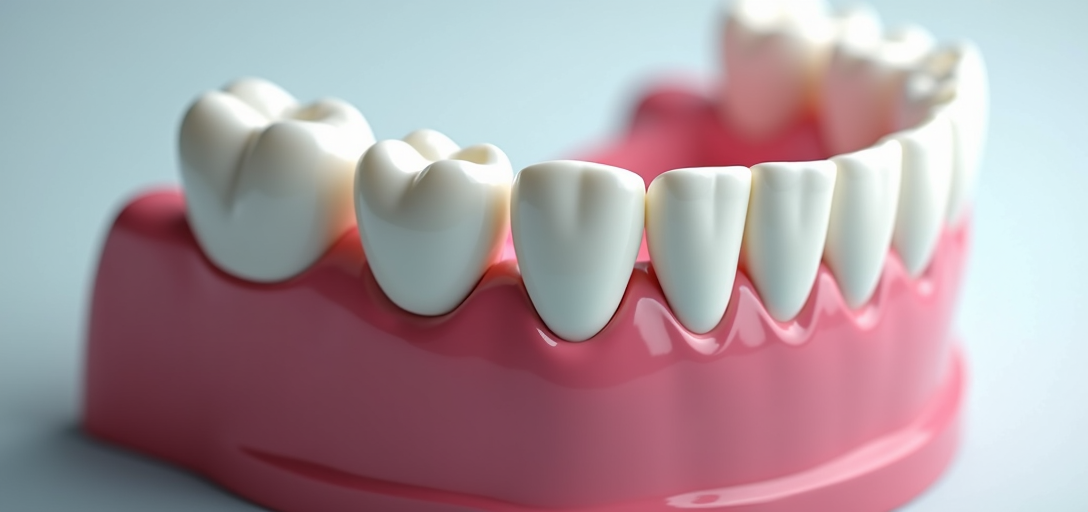
Understanding Dental Implant Coverage for Seniors
Navigating dental care coverage, especially when it comes to dental implants, can be a challenging experience for seniors. As dental health becomes increasingly critical with age, understanding the specifics of what coverage is available, how much it costs, and what options exist is essential. This guide aims to provide seniors and their families with clear, actionable information about dental implant coverage in the United States.
Why Dental Implants are Important
Dental implants provide a durable and effective solution for tooth loss, which is a common issue among seniors. They help maintain jawbone density, prevent other teeth from shifting, and restore natural speech and eating capabilities. A quality implant can significantly improve a senior's quality of life by enhancing both function and comfort.
Options for Dental Implant Coverage
In the United States, dental implant coverage comes from various sources, each with different benefits and limitations. Let's explore the primary options available:
- Medicare: Traditional Medicare does not cover dental implants or routine dental care. However, Medicare Advantage plans (Part C) often include some dental benefits, although implant coverage can vary widely by plan.
- Medicaid: Medicaid coverage for dental implants is limited and varies by state. States like California and New York have extended dental benefits under Medicaid, but implants are often only covered if deemed medically necessary.
- Private Dental Insurance: Some private dental insurance plans offer partial coverage for dental implants. Plans may cover specific stages of the process, such as extractions or crowns, but typically require a cost-sharing component on behalf of the insured.
- Discount Dental Plans: These are membership-based plans that do not offer traditional insurance coverage but can provide substantial discounts on dental procedures, including implants.
Factors Affecting Coverage for Seniors
For seniors looking to get dental implants, several factors can influence what kind of coverage they might get and the out-of-pocket costs they will face:
- Plan Type: As mentioned, Medicare Advantage plans offer varying degrees of dental benefits. It’s essential to review plan documents carefully to understand coverage specifics.
- State Regulations: Medicaid offerings are state-dependent, impacting approval rates for dental implants under state insurance programs.
- Medical Necessity: Some insurers will only cover implants if they are considered medically necessary, rather than a cosmetic procedure.
Real-World Examples and Cost Considerations
Let’s consider some practical scenarios that reflect the current landscape of dental implant financing in 2026:
- A senior with a Medicare Advantage plan that includes dental benefits might get partial coverage for the surgical implant procedure but may need to pay a higher cost for the follow-up crown.
- In California, a Medicaid recipient might find dental implant coverage more readily available, particularly if the procedure is necessary to maintain the individual’s ability to chew food properly.
- Private insurance might cover diagnostic care, like X-rays and initial consultations, reducing the financial burden but not eliminating it entirely.
The cost of dental implants can range from $3,000 to $5,000 per tooth in the U.S. in 2026. For seniors on a fixed income, these costs highlight the importance of understanding available coverage options and financial assistance programs.
Tips for Navigating Coverage
Selecting the right insurance plan or financial strategy is key to managing dental implant costs. Here are some tips to help seniors navigate available options:
- Research Potential Plans: Carefully assessing both Medicare Advantage and private insurance plans can help identify which option offers the best potential benefit for dental implants.
- Consult Healthcare Professionals: Speaking with a trusted dentist or insurance advisor can provide personalized insights into what procedures might be covered and at what percentage.
- Consider Cost-Saving Plans: For those without full insurance coverage, joining a discount dental plan can provide access to significant savings.
Conclusion: Taking Action
As seniors explore their options for dental implant coverage, understanding the nuances of insurance benefits, state regulations, and financial plans is imperative. By staying informed and consulting with professionals, seniors can make better decisions that improve their oral health and overall well-being.
For more detailed information on current 2026 coverage policies and statistical insights, resources such as the CMS Medicare Advantage Report and the American Dental Association can be excellent starting points for further research.