Understanding Dental Implants: Key Differences You Need to Know
When it comes to dental implants, not all are created equal. This insightful article uncovers the subtle yet significant differences that can impact your dental implant choices. Learn about the various types of dental implants and what makes each unique, without overstating results.
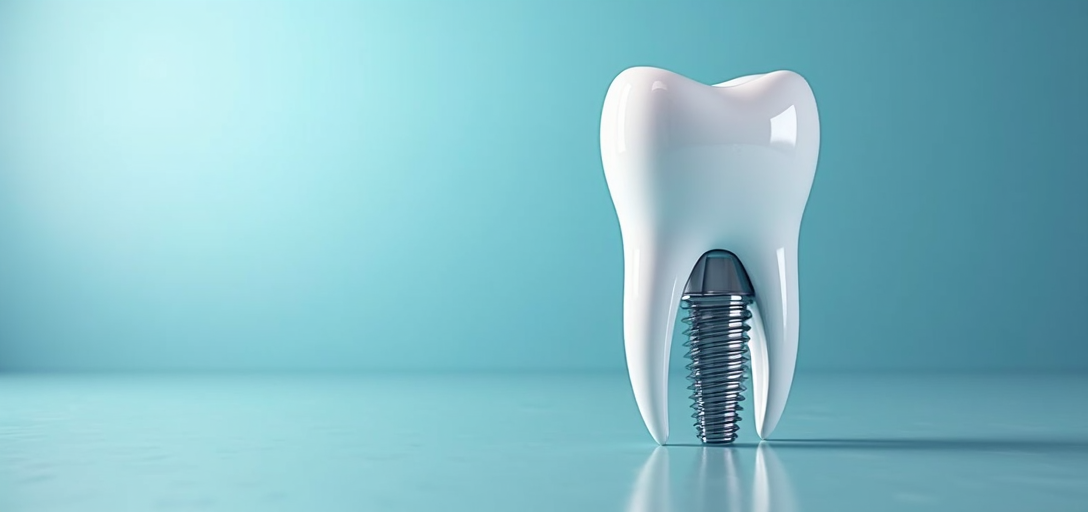
Understanding the Basics of Dental Implants
Dental implants have become a popular choice for individuals looking to replace missing teeth. However, it's crucial to understand that not all dental implants are the same. This means that the decision-making process should be informed by a thorough understanding of the types and differences in dental implants available on the market today.
What Are Dental Implants?
Dental implants are titanium posts that are surgically placed into the jawbone beneath your gums. Once in place, they allow your dentist to mount replacement teeth onto them. Dental implants provide stable support for artificial teeth, making bridges and dentures — and the associated potential for shifting or slipping — secure and comfortable.
Types of Dental Implants
There are primarily two types of dental implants that are commonly used:
- Endosteal Implants: These are the most common type of dental implants. Endosteal implants are typically shaped like small screws and are surgically inserted into the jawbone.
- Subperiosteal Implants: These are placed under the gum but above the jawbone. This type might be used in patients who do not have enough healthy natural jawbone and refuse or are unable to undergo a bone augmentation procedure to rebuild it.
The Differences Among Dental Implants
Understanding the differences in dental implants can help you make an informed decision. Factors like the materials used, the implant process, and the procedures involved in placing each type of implant vary significantly.
Material Differences
The materials used in dental implants play a significant role in their durability and functionality:
- Titanium: This is the gold standard for dental implants. Titanium is highly biocompatible, which means it’s not harmful to living tissue. The success rates for titanium implants are over 95%, according to recent studies.
- Zirconia: A newer alternative, zirconia implants are known for their aesthetic appeal, being more similar in color to natural teeth. However, they are relatively newer, and long-term studies on their performance are still underway.
Research from 2026 indicates that while both materials are effective, zirconia might offer an edge in areas where esthetics are a major concern, such as for front teeth replacements (Nature).
Procedure Variations
The procedural steps can also differ depending on the type and specific needs of the patient:
- Traditional Implants: Typically require two surgical procedures. Initially, the implant is placed in the jawbone. After the bone and implant bond (a process called osseointegration), a second surgery is required to attach the artificial tooth.
- Immediate Load Implants: Also known as "same-day" implants, allow the temporary placement of a tooth or bridge immediately after the implant. This is mostly recommended for patients with enough strong bone and a secure implant placement.
Factors to Consider When Choosing Dental Implants
When selecting dental implants, it's important to take into account several key factors:
Bone Health and Density
Bone density and health play a crucial role in the success of dental implants. Individuals with inadequate bone height in the upper jaw or who cannot have a bone graft may consider alternative procedures like a sinus lift or bone augmentation.
A 2026 study published in the Journal of Dental Research highlights that enhanced bone density increases the probability of successful osseointegration, contributing to long-term implant stability.
Cosmetic Preferences
For patients who consider aesthetic appearance as a priority, zirconia offers a non-metallic option that can blend seamlessly with natural teeth. It's essential to discuss with your dental care provider to decide what works best for you in terms of appearance.
Personal Health and Lifestyle
Your overall health and lifestyle can influence the choice of implants. Smokers and individuals with chronic conditions such as diabetes may have additional considerations when selecting an implant type and procedure.
Conclusion
While dental implants have a high success rate, choosing the right type and material is critical for a positive outcome. Consulting with your dentist and reviewing the latest research can provide insights into what’s best for your smile. Dental technology continues to evolve with innovative solutions providing better options tailored to individual needs.