Understanding Dental Implants: Key Differences You Need to Know
Discover insightful differences in dental implants with our latest article. Not all dental implants are crafted the same, and understanding these variations can help in making informed decisions about oral health.
Understanding the Basics of Dental Implants
Dental implants have become a popular solution for replacing missing teeth. They offer a more permanent alternative to dentures and bridges, presenting a natural-looking and long-lasting option. However, not all dental implants are the same, making it essential for patients to understand the differences before making a decision.
What Are Dental Implants?
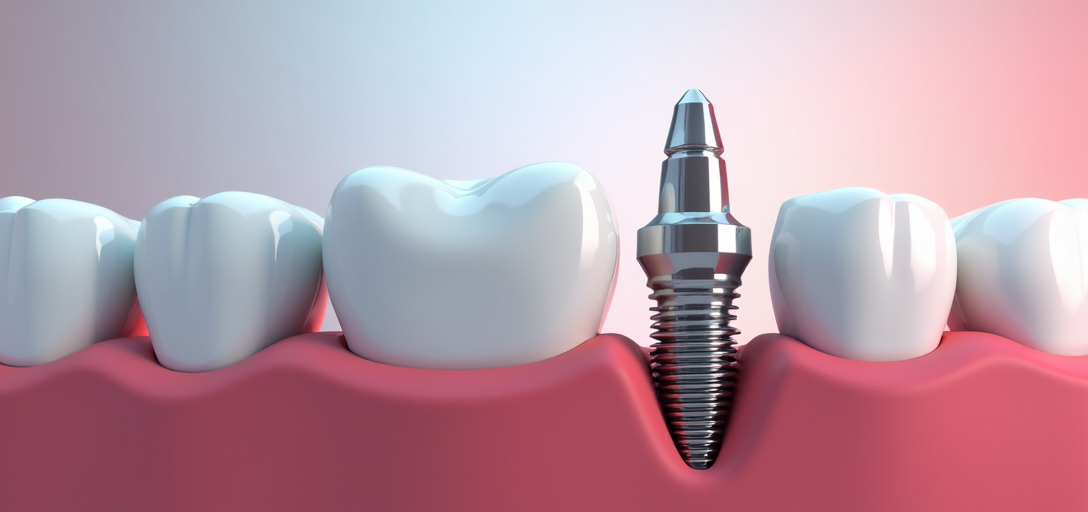
Dental implants are metal posts or frames surgically placed into the jawbone beneath your gums. Once in place, they allow a dentist to mount replacement teeth onto them. This provides a strong foundation for fixed or removable prosthetics that look and function like your natural teeth.
Types of Dental Implants
There are several types of dental implants, each designed to cater to different dental needs:
- Endosteal Implants: These are the most common type and are surgically implanted directly into the jawbone. Once the surrounding gum tissue has healed, a second surgery is needed to connect a post to the original implant. Finally, an artificial tooth is attached to the post.
- Subperiosteal Implants: Instead of being fixed into the jawbone, subperiosteal implants rest on top of the bone but under the gum. They are a solution for patients who do not have enough healthy jawbone and do not want to undergo bone augmentation.
Implant Materials
Implants are typically made from titanium or zirconia. Here's a quick comparison:
- Titanium Implants: Known for their durability and ability to fuse well with bone (osseointegration). They have been used successfully for decades. One significant advantage is that titanium implants can be made in two pieces, which allows for a customizable fit.
- Zirconia Implants: These are newer to the market and boast a metal-free, holistic solution. They are one-piece, which reduces certain complications but is less versatile than two-piece options. Zirconia is biocompatible and offers an aesthetic advantage due to its tooth-like color.
Factors to Consider When Choosing Dental Implants
1. Bone Health and Graft Requirements
Patients with insufficient natural jawbone may need bone grafting before placing an implant. Grafting facilitates better osseointegration and longevity of the implant. Discussing bone health with your dental professional is crucial in determining the best approach for your situation.
2. Implant Longevity and Durability
A key advantage of dental implants over other tooth replacement options is their potential to last a lifetime with proper care. Regular dental visits and good oral hygiene are vital to maximizing the lifespan of your implants.
3. Costs and Insurance Coverage
Implant costs in the US can range from $3,000 to $5,000 per tooth, including the post and crown. Most dental insurance plans don't cover implants. However, discussing with your insurer can clarify what procedures might be partially covered, like extractions or surgery-related expenses.
Recent Advances in Dental Implant Technology
Improvement in Materials and Techniques
According to a 2026 report from the American Dental Association, there have been significant advancements in implant technology, including enhanced surface textures and materials that promote faster healing and better integration into the bone.
Digital Dentistry and 3D Printing
Precision in implant placement has improved thanks to digital dentistry and 3D printing. Dental professionals can now create precise models and surgical guides, improving success rates and reducing recovery times. This reflects an ongoing trend towards more personalized dental care.
Final Thoughts on Dental Implants
Understanding the nuances of dental implants can significantly impact a patient's decision-making. With recent advancements and a diverse range of options available, discussing with a qualified dental professional is critical in obtaining implants suited to your specific needs. By researching and considering your unique dental conditions, you can make informed decisions and achieve the best outcomes for your oral health.