Understanding Dental Implants: Key Factors That Set Them Apart
Discover essential insights into dental implants and why they're not all the same. From materials to procedure techniques, learn the main differences that could impact your choice. Explore the world of dental implants and what to consider for your unique dental needs.
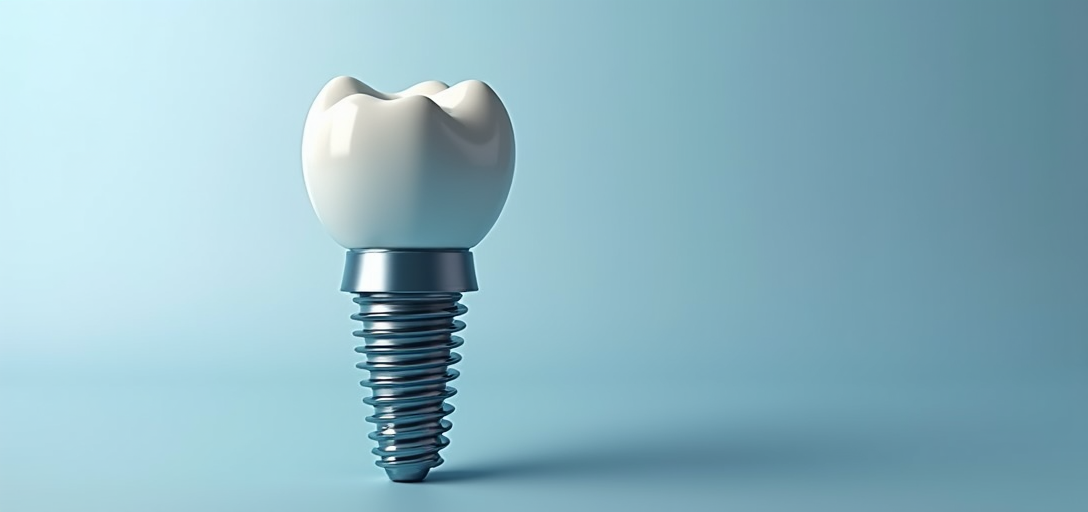
Understanding Dental Implants
Dental implants have become increasingly popular in the United States as a reliable solution for replacing missing teeth. However, not all dental implants are the same, and understanding the differences can greatly impact the outcome and satisfaction of your dental treatment.
What Are Dental Implants?
Dental implants are artificial teeth roots made from biocompatible materials such as titanium, designed to integrate with your jawbone and support prosthetic teeth. These implants provide a strong foundation for fixed or removable replacement teeth that are crafted to match your natural teeth.
According to the American Academy of Implant Dentistry, over 3 million Americans have dental implants, and this number is projected to increase by 500,000 annually. This rise highlights their importance in modern dentistry. [AAID]
Types of Dental Implants
Dental implants vary based on the technique and material used, among other factors. Identifying these differences can be crucial when considering your options:
- Endosteal Implants: The most common type, these are surgically placed into the jawbone. They may use screws, cylinders, or blades to support one or more prosthetic teeth.
- Subperiosteal Implants: Placed under the gum but on or above the jawbone. Used primarily for patients who lack sufficient healthy jawbone.
- Zygomatic Implants: Less common and more complex, these implants are placed in the cheekbone, used when the upper jaw does not have enough bone for traditional solutions.
What Makes Dental Implants Different?
Material Differences
The material of the implant itself can influence longevity and body compatibility:
- Titanium: Known for durability and biocompatibility, it's often the material of choice for implant manufacturers.
- Zirconia: Offers a metal-free alternative with high resistance to corrosion and a natural tooth color, appealing for aesthetic purposes.
While recent studies show both materials perform well, the choice may depend on individual health needs and aesthetic preferences.
Implant System Differences
Different manufacturers provide varied implant systems, which can affect the treatment's success:
- Osseointegration: The process where the implant fuses with the bone varies among different systems, impacting healing times and stability.
- Abutment Design: The part that connects the implant to the crown might differ in shape and customization options, influencing the final appearance.
How to Choose the Right Dental Implants
Consulting with Your Dentist
Your dentist plays a critical role in determining the best type of implant for your needs. During your consultation, ensure to discuss:
- Your overall health and oral hygiene.
- Bone density and volume checks through X-rays or CT scans.
- The best material and type of implant based on aesthetic and functional desires.
Cost Considerations
Cost can vary significantly based on implant type, material, and the healthcare provider's expertise. According to recent Healthline data, the average cost for a single tooth dental implant ranges from $3,000 to $4,500 in 2026.
Insurance coverage and dental plans might also affect your financial choices, although many plans consider implants an elective procedure and may not cover the full cost.
Long-Term Benefits and Outcomes
Investing in the right type of dental implant can offer several long-term benefits, such as:
- Improved speech and comfort compared to dentures.
- Easier eating and better oral health preserving your existing teeth.
- Durability, providing a solution that could last a lifetime with proper care.
Understanding these considerations and working closely with a skilled dentist ensures that you select the ideal implant type for your specific needs, enhancing both your oral health and quality of life.