Understanding Electric Bill Assistance for SSDI Recipients in 2026
In 2026, households receiving SSDI may explore options for electric bill assistance. Navigating the available programs requires understanding eligibility criteria, which can vary by state and provider.
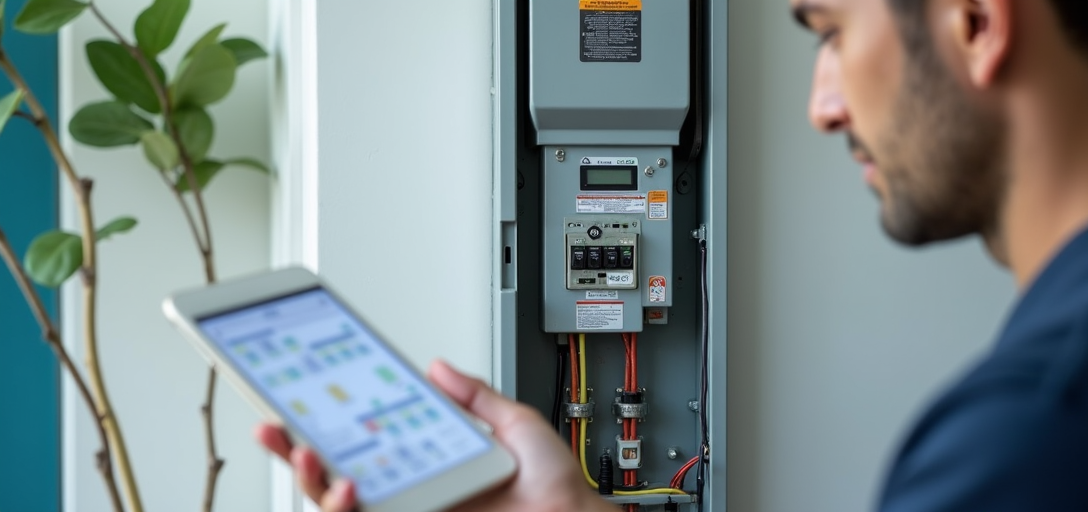
Understanding Electric Bill Assistance for SSDI Recipients
With rising energy costs, managing household expenses can be a significant challenge, especially for those relying on fixed incomes like Social Security Disability Insurance (SSDI). Fortunately, there are programs designed to assist with electric bills for eligible households. In this article, we will explore the eligibility criteria, available programs, and steps to obtain assistance, ensuring you have all the information you need to make the most of these valuable resources.
Eligibility Criteria for Electric Bill Assistance
Electric bill assistance programs have specific criteria that applicants must meet. Generally, these programs are designed for low-income households, including those receiving SSDI. Here's what you need to know:
Income Requirements
Most assistance programs evaluate household income to determine eligibility. As of 2026, many programs require that household income does not exceed 150% of the federal poverty level. However, this threshold can vary by state and program.
SSDI Recipients
Households with one or more members receiving SSDI are often given priority, especially if they can demonstrate financial need. It's essential to have documentation proving SSDI benefits to apply for any assistance successfully.
Residency and Citizenship
Applicants typically need to reside in the service area of the assistance program and be either U.S. citizens or qualified non-citizens. This ensures that local resources are being allocated to residents.
Available Electric Bill Assistance Programs
There are several programs available to help eligible households with their electric bills. Let’s look at some of the most prominent ones:
Low Income Home Energy Assistance Program (LIHEAP)
LIHEAP is a federal program designed to help low-income families with their home energy bills. Each state administers its own program, so the benefits and application processes can vary. In 2026, LIHEAP funds have been increased to accommodate rising energy costs, making it a vital resource for SSDI recipients.
Weatherization Assistance Program (WAP)
The Weatherization Assistance Program helps reduce energy costs for low-income households by improving the energy efficiency of their homes. This can include insulation, window repairs, and heating system upgrades. For those on SSDI, these improvements can lead to substantial savings over time.
Utility Company Assistance Programs
Many utility companies offer assistance programs or discounted rates for low-income customers, including those on SSDI. Programs like California's CARE and FERA provide significant discounts on energy bills.
- Contact your local utility provider to learn about specific assistance programs they offer.
How to Apply for Assistance
The application process for electric bill assistance can vary depending on the program and your state. Here are the general steps you should follow:
Gather Necessary Documentation
Start by collecting documents such as proof of income, SSDI verification, utility bills, and identification. Having these on hand will expedite the application process.
Contact Local Offices
Each state has local offices or organizations that handle applications for federal and state-administered programs. Contact them to get the application forms and instructions specific to your area.
- Check with your state's Department of Social Services or equivalent for more information.
Submit Applications
Once you have completed the application, submit it along with your documentation either online, by mail, or in person, as required by the program.
Follow Up
After submission, follow up with the program office to ensure that your application is being processed. This is crucial, as missing documentation or other issues may need to be resolved.
Real-World Examples of Assistance in Action
To understand the tangible impact these assistance programs can have, consider the following examples:
In Pennsylvania, Elaine, a single mother receiving SSDI, reduced her monthly electric bills by 30% through LIHEAP. Her household income qualified her for both LIHEAP and utility company discounts, allowing her to redirect funds to other essential expenses.
In Texas, the Weatherization Assistance Program helped install new insulation in the home of John, a retired veteran on SSDI, leading to a 25% decrease in heating costs during winter months. Such improvements not only cut costs but also improved living conditions.
Staying Informed and Proactive
Given the evolving nature of assistance programs and energy prices, staying informed about eligibility criteria, application deadlines, and benefit renewals is crucial. Engage with local community organizations, subscribe to government newsletters, or join online forums to share experiences and advice with others who might face similar challenges.
In conclusion, electric bill assistance for households receiving SSDI is a valuable resource that can significantly ease financial burdens. By understanding eligibility requirements, available programs, and application processes, you can take proactive steps to secure the help you need and ensure that your household remains comfortable and financially sound.
References
- https://www.usa.gov/help-with-energy-bills
- https://www.acf.hhs.gov/ocs/programs/liheap
- https://liheapch.acf.gov/
- https://www.ssa.gov/benefits/disability/
- https://www.ssa.gov/benefits/disability/qualify.html
- https://www.usa.gov/benefit-finder
- https://www.usa.gov/state-social-services
- https://www.ssa.gov/OP_Home/cfr20/416/416-1157.htm