Understanding Eligibility for Boiler Replacement Grants in the UK
Curious about who qualifies for boiler replacement grants in the UK? This article breaks down the criteria you need to meet to potentially access these grants. Find out if you're eligible and what steps to take next.
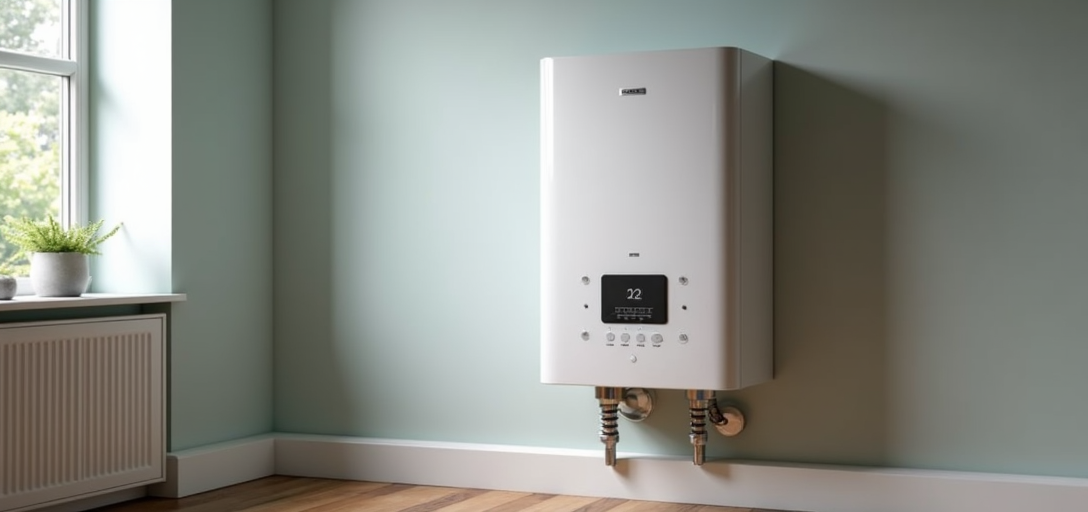
Understanding Boiler Replacement Grants in the UK
The UK has committed to reducing carbon emissions, with the government introducing various schemes and grants to encourage households to replace old, inefficient boilers with more environmentally-friendly alternatives. The boiler replacement grant, often part of larger schemes like the ECO4 (Energy Company Obligation) scheme, is designed to help eligible households improve their energy efficiency.
What Are Boiler Replacement Grants?
Boiler replacement grants are financial aids provided by the government to help low-income families and individuals reduce their energy bills by upgrading their heating systems. These grants typically cover a significant portion of the cost of a new, more efficient boiler, and are administered through energy companies and government-approved installers.
Who Qualifies for Boiler Replacement Grants?
Eligibility for boiler replacement grants is primarily determined by income level and certain benefits. Here are the key criteria:
- Income-related benefits: Households receiving Universal Credit, Pension Credit, or Child Tax Credit may qualify for these grants.
- Homeownership status: Typically, these grants are available to homeowners, although tenants with landlord approval can also apply under certain circumstances.
- Boiler condition: The existing boiler must be inefficient or non-functional, usually classified as an energy rating of C or lower.
It's important to note that these criteria are subject to change, and it's best to consult the latest government guidelines or speak to an approved installer.
How to Apply for a Boiler Replacement Grant
Applying for a boiler replacement grant is usually straightforward:
- Contact an accredited energy supplier or installer to see if your household qualifies.
- Complete an assessment, which usually involves an engineer visiting your home to evaluate the current boiler and insulation.
- If approved, schedule the installation of your new boiler.
The entire process may take several weeks, from initial application to installation.
The Importance of Energy Efficiency
Replacing an old boiler is more than just upgrading your heating system. It plays a critical role in improving energy efficiency, which can result in substantial economic and environmental benefits:
Economic Benefits
A modern, energy-efficient boiler can significantly reduce heating bills. According to the Energy Saving Trust, households can save over £200 annually when switching from a G-rated to an A-rated boiler. In addition to savings on energy bills, you may also see a reduction in maintenance costs due to improved reliability.
Environmental Impact
The switch to efficient boilers reduces carbon emissions. In a bid to meet net-zero targets by 2050, the UK encourages using energy-efficient systems, as home heating accounts for a significant portion of national emissions.
Real-world Examples and Case Studies
Numerous households in the UK have taken advantage of boiler replacement grants with positive outcomes:
- The James Family in Edinburgh: The family qualified for a boiler grant under the ECO scheme, replacing their aging boiler with a condensing model, which reduced energy bills by 25% within the first year.
- Ms. Lane from Manchester: As a single parent receiving Universal Credit, Ms. Lane used the grant to replace her defunct boiler. The upgrade significantly reduced energy waste and improved home comfort levels.
Additional Resources
If you're interested in exploring more about boiler replacement grants, consider consulting these sources:
- UK Government's Energy Grants Calculator for a personalized assessment of available grants and schemes.
- Energy Saving Trust for professional advice on improving energy efficiency in your home.
- Ofgem's official website for regulations and updates on energy policies.
Engaging with these resources can help ensure you are making informed decisions about your home’s heating efficiency.