Understanding Eligibility for Disabled Facilities Grants in the UK
Discover if you might qualify for a Disabled Facilities Grant in the UK, designed to help improve your home to meet your needs. While many people could be eligible, eligibility requires meeting specific criteria.
What is a Disabled Facilities Grant?
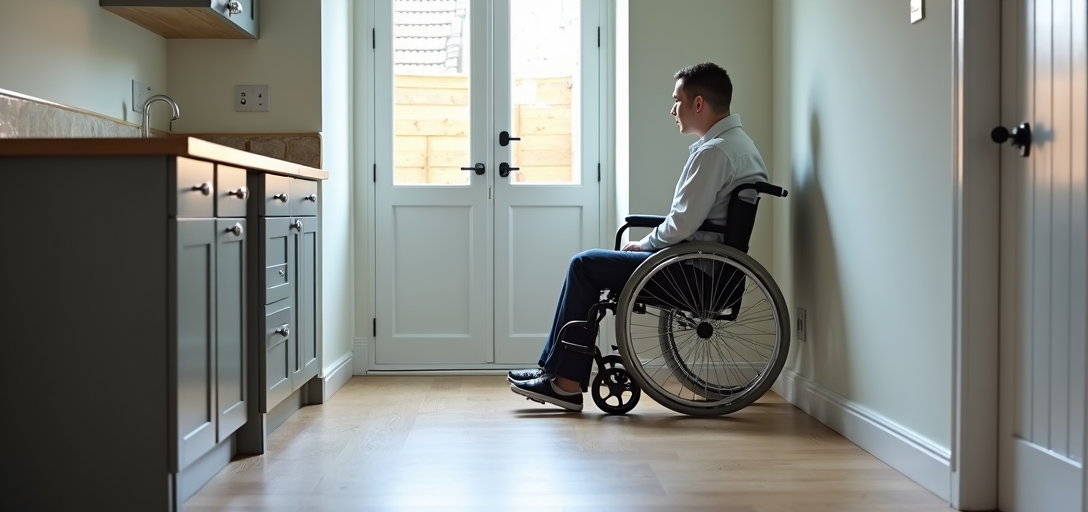
The Disabled Facilities Grant (DFG) is a vital resource in the United Kingdom that provides financial assistance to disabled individuals who require home adaptations. The primary objective of the DFG is to help people with disabilities live more independently in their own homes by funding necessary modifications. This grant is particularly important for individuals who face physical challenges that make everyday tasks difficult or impossible in an unmodified home environment.
How Does the Disabled Facilities Grant Work?
The DFG is a means-tested grant, meaning that your financial circumstances will be assessed to determine your eligibility and the level of help you can receive. The grant is administered by local councils in England, Wales, and Northern Ireland, each following slightly different procedures. Depending on your financial situation and the recommendations from health professionals or occupational therapists, the grant can significantly reduce or cover the costs associated with necessary adaptations.
Eligibility Criteria for Disabled Facilities Grant
Who Can Apply?
The Disabled Facilities Grant is available to homeowners, private tenants, and landlords renting to a disabled person. To qualify for a DFG in the UK, you generally need to meet the following criteria:
- Residency: You must intend to live in the property for at least five years after the work is completed.
- Disability: You, or a member of your household, must be disabled. This could include mobility impairments, chronic illness, or mental health conditions.
- Income and Savings: A means test will be conducted for adults. Those receiving certain benefits like Universal Credit or Income Support are automatically eligible.
- Property Suitability: The adaptation work must be deemed necessary, appropriate, and feasible by your local council.
Which Adaptations are Covered?
The Disabled Facilities Grant covers essential modifications that make a dwelling accessible and safe for disabled individuals. Potential adaptations might include:
- Installing ramps to improve access to the house
- Widening doorways for wheelchair users
- Fitting stairlifts or through-floor lifts
- Adapting lighting and electrical controls for ease of use
- Installing bathroom facilities such as walk-in showers or grab rails
The average grant provided is approximately £5,000, but it can go up to £36,000 in Wales or £30,000 in England. Keep in mind that the process and amount may vary, and not all adaptations may be deemed eligible.
The Application Process
Step-by-Step Guide
The process to apply for a Disabled Facilities Grant can seem daunting, but breaking it down into steps can help:
- Contact Your Local Council: Start the process by reaching out to the housing or social services department of your local council to discuss your needs.
- Occupational Therapist Assessment: You will likely need an assessment from an occupational therapist, who will determine what adaptations are necessary.
- Financial Assessment: Complete a means test to determine how much of the cost you can cover yourself.
- Application Submission: Submit your application alongside all required documents, including medical recommendations and financial details.
- Approval and Work Commencement: Upon approval, your local council will facilitate the adaptations, working with your chosen contractors.
Common Challenges and Tips
Applying for a Disabled Facilities Grant can sometimes be a lengthy and complex process. Here are a few tips to smooth the journey:
- Prepare Thoroughly: Gather all necessary documents early, including medical assessments and financial records.
- Communication is Key: Stay in regular contact with your council and occupational therapist to ensure a seamless process.
- Consider Professional Help: Some charities and organizations offer free advice and support to navigate the application process.
Real-Life Impact: Making a Difference
For many, receiving a DFG is life-changing. Consider Sarah, a resident of Manchester, who uses a wheelchair due to a spinal injury. A DFG allowed her to install a stairlift and adapt her bathroom, significantly increasing her independence and quality of life. Such stories underscore the transformative power of these grants.
Recent Developments and Trends
In recent years, the UK government has increased its commitment to improving the DFG scheme. In 2026, the total funding for the program saw a 10% increase, reflecting a growing recognition of the need for more accessible and inclusive housing. Moreover, there is a greater push towards digitalizing the application process, making it more accessible to applicants across Great Britain. For more details, you can read related statistics and governmental reports [here](https://www.gov.uk/disabled-facilities-grants) and [here](https://www.local.gov.uk/our-support/our-improvement-offer/care-and-health-improvement/adapting-housing-disabled).
Conclusion
The Disabled Facilities Grant represents a crucial lifeline for many disabled individuals and families across the UK, empowering them to live more comfortably and autonomously within their homes. Understanding the application process, eligibility criteria, and the types of adaptations covered can significantly aid in effectively utilizing this grant. If you or a loved one could benefit from such home modifications, reaching out to your local council is a commendable first step to ensure a more inclusive living space.