Understanding Eligibility for Electric Bill Assistance Programs in the USA
Discover how you might qualify for electric bill assistance in the USA. With rising energy costs, many are seeking ways to reduce expenses on their electric bills. Various programs across states offer relief to eligible households.
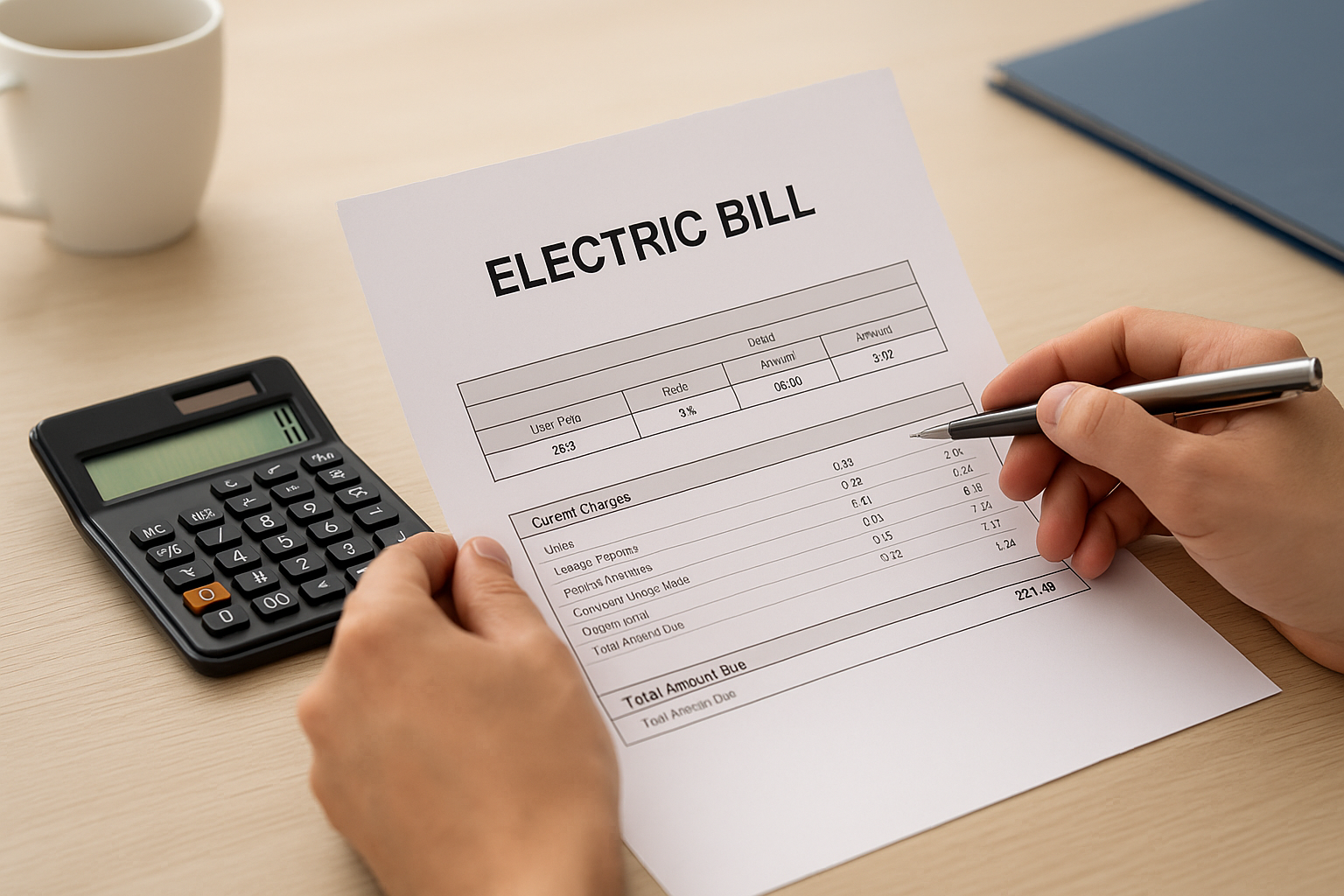
Understanding Electric Bill Assistance in the USA
Electric bill assistance in the United States is a crucial service for many citizens who find themselves in financial straits. With the rising costs of electricity, particularly after a prolonged period of inflation, understanding who qualifies for this assistance, and how it can be accessed, becomes ever more essential. This article delves deeply into the parameters that define eligibility and provides a comprehensive guide to aid those in need.
Key Programs Offering Electric Bill Assistance
Several federal, state, and local programs in the USA offer assistance with electric bills. Here are the prominent ones:
Low Income Home Energy Assistance Program (LIHEAP)
LIHEAP is a federally funded program that helps low-income households with their home energy bills. It assists in managing costs associated with home energy bills, energy crises, weatherization, and minor energy-related home repairs.
- Eligibility: Eligible families typically need to have an income at or below 150% of the federal poverty line or 60% of the state median income.
- Application Process: Applicants need to contact their local LIHEAP office. The specifics of qualification can vary from state to state, as can the form of assistance (e.g., direct payment to utility companies).
Weatherization Assistance Program (WAP)
This program is designed to increase the energy efficiency of homes owned by low-income families, reducing their energy bills and improving comfort.
- Eligibility: Families who qualify for SSI, LIHEAP, or receive Aid to Families with Dependent Children (AFDC) automatically qualify for WAP.
- Benefits: Provides solutions such as insulation, and furnace repair, and replacing old appliances with energy-efficient ones.
State and Local Programs
Besides federal programs, many states offer localized assistance programs. Often, these programs are tailored to the specific economic conditions and energy challenges of each state.
California Climate Credit
As part of California's efforts to fight climate change, the state provides an annual credit on electric bills for qualifying residents.
- Eligibility: This credit is available to all residential customers of participating utilities twice a year (in April and October).
Learn more about California Climate Credit
New York Energy Assistance Program (EAP)
This program aims to help eligible low-income workers, veterans, and older adults afford energy costs throughout the year.
- Eligibility: Participants must be enrolled in certain public assistance programs or meet income guidelines.
How to Determine Eligibility for Electric Bill Assistance
To find out whether you qualify for electric bill assistance, follow these steps:
Assess Your Household Income
Your first step is to compare your household income against the federal poverty guidelines. Many assistance programs base eligibility on income levels relative to these guidelines. Ensure you consider all sources of income including wages, child support, and pensions.
Identify Your Utility Provider’s Policies
Many utility companies offer their own assistance programs or participate in state and federal programs. Check with your provider to see what options are available.
Contact Local Aid Organizations
Nonprofits and local government offices often administer or provide support for these programs. They can provide hands-on help with applications or direct you to other useful resources.
Common Barriers to Accessing Assistance and How to Overcome Them
Many people who qualify for electric bill assistance do not take advantage of it due to several barriers. Understanding and addressing these barriers can ensure more people get the help they need.
Lack of Awareness
Many are simply unaware of the programs available to them. Raising awareness through community centers, social media, and public service announcements can help.
Complex Application Processes
The application process for these programs can often be daunting and complex. Seeking assistance from local nonprofits and advocacy groups can ease this burden.
Conclusion
Electric bill assistance is an essential service that can significantly alleviate financial burdens on low-income households in the USA. Familiarity with available programs, eligibility criteria, and application processes can empower those in need to take full advantage of these resources.
Whether you qualify for federal programs like LIHEAP and WAP, state-specific credits, or assistance from nonprofit organizations, understanding your eligibility and taking proactive steps can greatly benefit your household’s financial well-being.