Understanding Federal Requirements for Residential Solar Panel Grants
Curious about the federal guidelines for obtaining residential solar panel grants? While navigating the process might seem complex, understanding the federal requirements can simplify your journey.
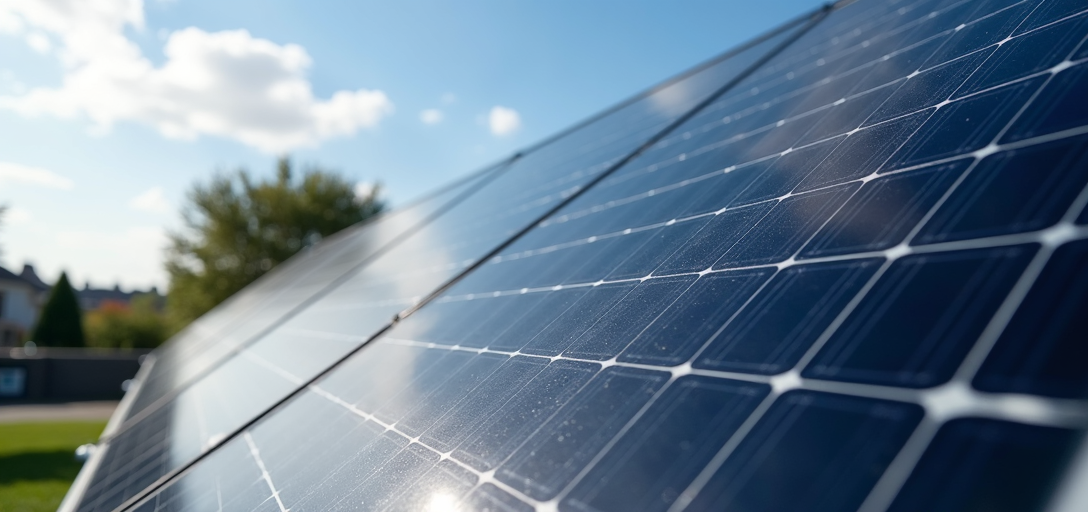
Understanding Residential Solar Incentive Programs
Federal energy-efficiency and renewable energy programs are designed to encourage homeowners to invest in clean energy technologies. Solar photovoltaic (PV) systems are often included among the eligible upgrades because they help reduce reliance on traditional electricity sources and support long-term sustainability goals.
Many incentive programs require homeowners to follow specific application procedures before beginning installation work.
Official Program Information:
https://natural-resources.canada.ca/energy-efficiency/home-energy-efficiency/canada-greener-homes-initiative
Homeownership Requirements
One of the most common eligibility rules is property ownership. Applicants are generally required to:
- Own the home where the solar system will be installed.
- Use the property as their primary residence.
- Ensure the home meets program-specific eligibility criteria.
Some programs may also allow certain multi-unit residential properties to qualify under specific conditions.
Eligibility Criteria:
https://natural-resources.canada.ca/energy-efficiency/home-energy-efficiency/canada-greener-homes-initiative/eligibility-criteria
Energy Assessment Requirements
Many residential solar grant programs require a pre-retrofit energy assessment before any work begins. This evaluation helps determine the home's current energy performance and identifies opportunities for efficiency improvements.
An EnerGuide evaluation may assess:
- Heating and cooling systems
- Insulation levels
- Air leakage
- Windows and doors
- Overall household energy consumption
EnerGuide Home Evaluations:
https://natural-resources.canada.ca/energy-efficiency/homes/energuide-home-evaluations
Approved Solar Equipment Standards
To qualify for funding, solar equipment often must meet specific technical standards established by government agencies or program administrators.
Typical requirements may include:
- Certified solar photovoltaic panels
- Approved inverters and electrical components
- Compliance with national and local electrical codes
- Professional installation by qualified contractors
- Equipment appearing on approved product lists when required
Eligible Retrofit Information:
https://natural-resources.canada.ca/energy-efficiency/home-energy-efficiency/canada-greener-homes-initiative/eligible-retrofits-grant-amounts
Documentation Needed for Applications
Applicants are usually required to provide supporting documentation throughout the process. Common requirements may include:
- Proof of home ownership
- Government-issued identification
- Energy assessment reports
- Contractor invoices and receipts
- Product specifications and installation details
Maintaining organized records can help avoid delays during application reviews.
Program Resources:
https://www.cghli.ca/
Post-Installation Verification
Some programs require a second energy evaluation after installation to confirm that the approved upgrades were completed. This verification process helps determine final eligibility for grants, rebates, or financing support.
Homeowners may need to submit additional documents before funds are released.
Program Overview:
https://natural-resources.canada.ca/energy-efficiency/home-energy-efficiency/canada-greener-homes-initiative
Additional Provincial Incentives
In addition to federal programs, many provinces and utility providers offer their own solar incentives and renewable energy support programs.
Examples include:
- CleanBC Better Homes Program
https://betterhomesbc.ca/ - Enbridge Home Efficiency Programs
https://www.enbridgegas.com/ontario/rebates-energy-conservation - Save on Energy Ontario
https://saveonenergy.ca/
Final Thoughts
Residential solar incentive programs can help homeowners reduce the upfront cost of installing solar panels while improving long-term energy efficiency. Although requirements vary between programs, most applicants must complete energy assessments, use approved equipment, provide proof of ownership, and submit detailed installation records. Since funding availability and eligibility rules may change over time, homeowners should always review the latest information from official government and energy-efficiency program websites before beginning a solar installation project.