Understanding Government-Backed Home Repair Loans for Older Adults: What You Need to Know
Explore your options with government-backed home repair loans for older adults. These programs provide flexible financing to make essential home repairs more manageable. Whether you're updating your home for safety or energy efficiency, find out how these loans can potentially support your needs.
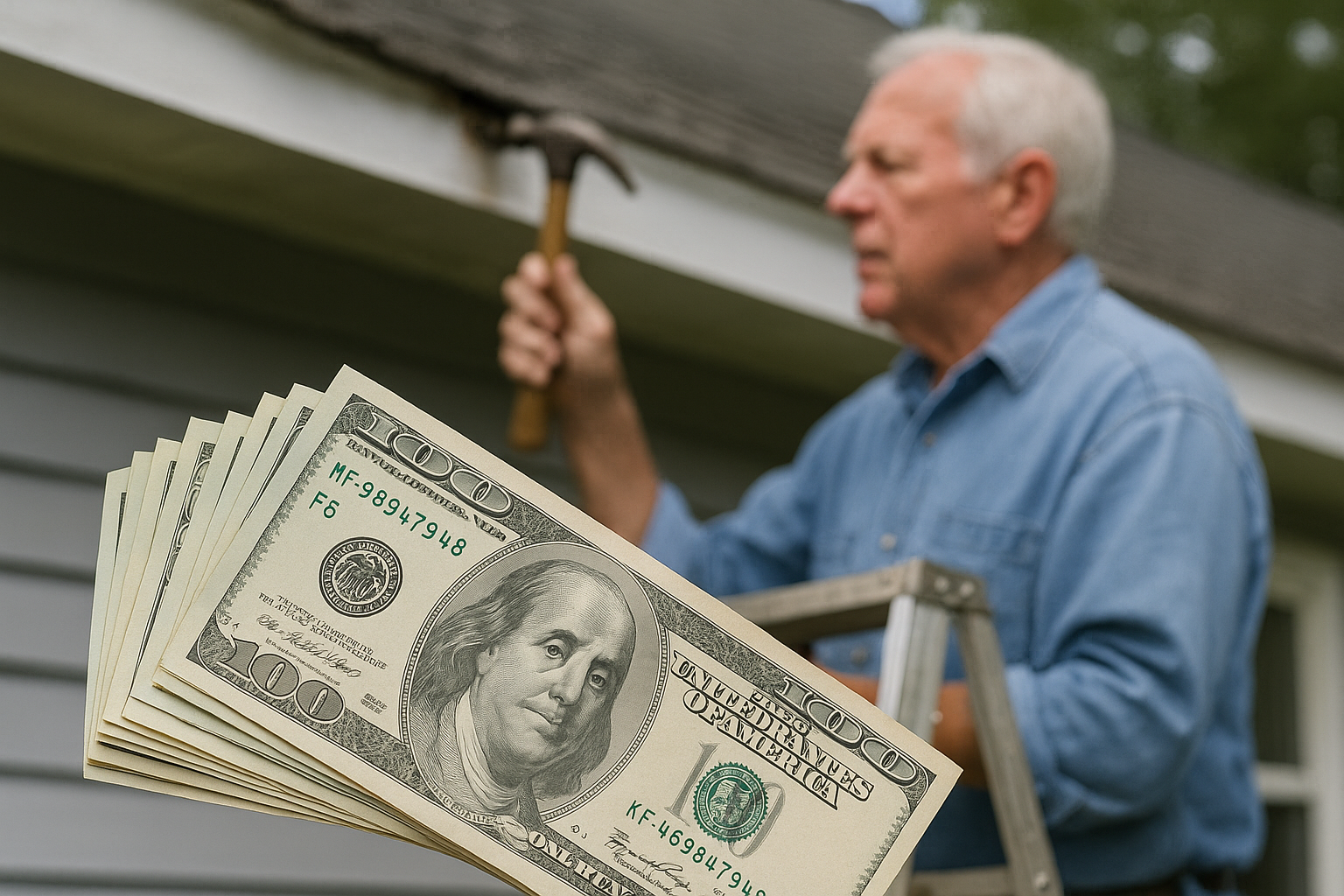
Understanding Government-Backed Home Repair Loans for Older Adults
As individuals age, maintaining a safe and comfortable home becomes increasingly important. For older adults, the cost of necessary home repairs can be a significant barrier. Fortunately, government-backed home repair loans offer a lifeline. These programs are designed to help older adults remain in their homes by providing financial assistance for essential repairs and modifications. In this article, we'll explore what these loans are, how they work, and how you can access them.
What Are Government-Backed Home Repair Loans?
Government-backed home repair loans are financial products sponsored by federal or state government agencies to help homeowners, particularly older adults, fund necessary home repairs. These loans typically come with lower interest rates and more favorable terms than conventional loans.
Such programs are essential as they provide older adults with the means to adapt their homes to changing physical needs, ensuring continued comfort and safety. It's crucial to note that these loans are often part of broader initiatives to support aging in place, a policy aimed at helping seniors live independently in their homes for as long as possible.
Types of Available Home Repair Loans
Several programs exist to assist older adults with home repairs, each with its unique features:
- Section 504 Home Repair Program: Also known as the Single-Family Housing Repair Loans & Grants, this USDA program offers loans to very low-income homeowners to repair, improve, or modernize their homes.
- FHA 203(k) Rehabilitation Mortgage Program: This program allows homeowners to finance both the purchase and renovation of a home through a single loan.
- Department of Veterans Affairs (VA) Loans: Veterans can access specialized loan programs that include home repairs and modifications as eligible expenses.
Eligibility Criteria
Eligibility for government-backed home repair loans generally depends on several factors:
- Age: Many programs focus specifically on older adults, often defined as those aged 62 and older.
- Income: Applicants usually need to demonstrate financial need, often through income limits relative to the area's median income.
- Property Condition and Value: The home typically must meet specific criteria regarding its current value and repair needs.
- Residency: Some programs require the home to be the primary residence of the applicant.
How to Apply
Applying for a government-backed home repair loan involves several steps. Here’s how you can get started:
- Research Available Programs: Determine which programs you are eligible for. Visit official websites such as the USA.gov Housing page to explore options.
- Prepare Documentation: Gather required documents, including proof of income, property ownership, and estimates for the repairs you need.
- Submit Application: Fill out and submit the application forms either online or through your local government office.
- Await Approval: Once submitted, your application will be reviewed. This process may include a home inspection to assess the repair needs.
Benefits of Government-Backed Home Repair Loans
Government-backed loans offer numerous benefits over traditional financing options, including:
- Lower Interest Rates: These loans often come with reduced interest rates, making them more affordable.
- Facilitated Approval Processes: Eligibility criteria may be more lenient, providing access to those who might not qualify for standard loans.
- Flexibility: These loans can often be used for a wide range of repairs and upgrades, including accessibility improvements such as wheelchair ramps and bathroom modifications.
Real-World Examples
To illustrate the impact of these programs, consider Jane, a 68-year-old retiree living alone in her family home. Facing problems with her aging roof and outdated electrical system, Jane was concerned about her safety and simply couldn’t afford to make these repairs out of pocket. Through the USDA’s Section 504 Home Repair program, she obtained a low-interest loan, effectively addressing these issues and adding years to the life of her home.
Challenges and Considerations
While these programs are beneficial, navigating them can be challenging. Completing applications and understanding specific requirements requires time and effort. Additionally, while loans can make repairs affordable, the obligation still exists to repay them.
Another consideration is the potential impact on home ownership. Borrowers should ensure they understand loan terms, including any liens against the property, before proceeding.
Conclusion
Government-backed home repair loans offer significant support to older adults looking to maintain a safe and comfortable living environment. By reducing financial barriers, they empower seniors to make critical home renovations that improve their quality of life. For those interested, the first step is researching available programs and applying. With the right approach, these loans can be a vital resource for aging in place.
For further information on home repair loans, visit resources such as the HUD's 203(k) program page and USDA's home repair and loan program page.