Understanding Home Standby Generator Installation Costs in 2026
Curious about home standby generator installation costs in 2026? As demand grows, understanding potential expenses is crucial. This guide offers insights into factors affecting home standby generator installation costs, helping homeowners make informed decisions.
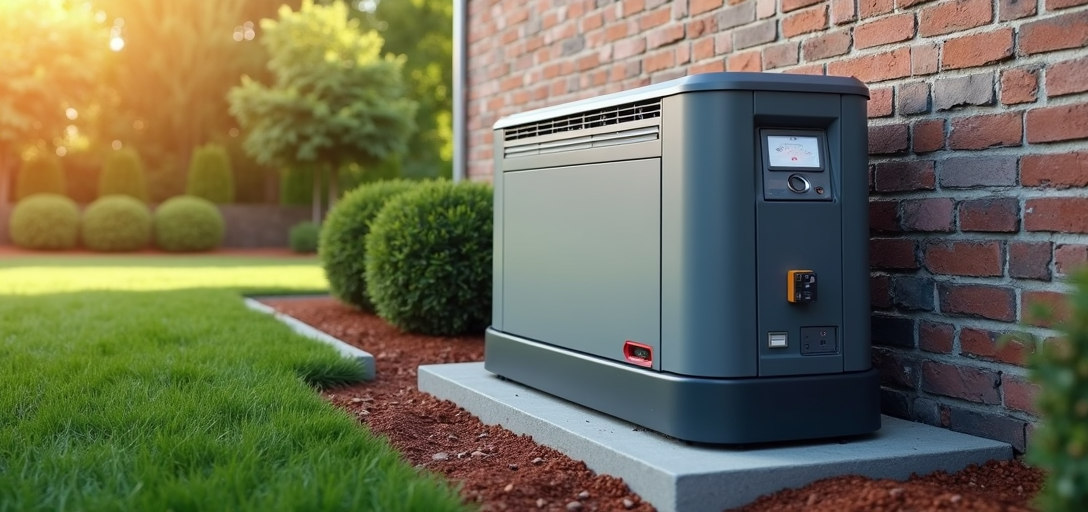
Understanding Home Standby Generator Installation Costs in 2026
The demand for reliable home power solutions is driving many homeowners to consider standby generators. As these systems become more advanced, understanding the installation costs becomes crucial for making an informed decision.
Factors Influencing Installation Costs
When it comes to installing a standby generator, several factors impact the overall costs. Here's what to consider:
- Generator Size: Depending on your home's power needs, size significantly affects the price. Larger homes with more electrical demand will require more robust solutions, increasing costs.
- Type of Fuel: Generators can run on natural gas, propane, or diesel. Each has different prices and availability, influencing not just installation but long-term expenses too.
- Installation Complexity: The layout of your property, the distance from the generator to the electrical panel, and existing infrastructure can impact the complexity and cost of installation.
- Permits and Regulations: Installation must comply with local building codes and may require permits, which add to the overall cost. In 2026, these regulations are particularly stringent in certain US states.
Average Cost Breakdown
In 2026, the cost of installing a home standby generator in the US generally falls between $5,000 and $15,000. Here’s how typical expenses break down:
- Generator Unit: Prices range from $2,500 to $7,500 for most systems depending on capacity and brand.
- Installation Labor: Professional installations cost about $1,500 to $5,000 based on complexity. Typically, electricians charge around $50-$100 per hour.
- Additional Equipment and Materials: Transfer switches, wiring, and other materials can add $500 to $2,000 to the final cost.
- Permits: Expect to pay $100 to $500 for necessary local permits and inspections.
Benefits of Installing a Home Standby Generator
Despite the costs, installing a standby generator offers significant benefits that can justify the investment:
- Uninterrupted Power Supply: Automatically restores electricity during outages, ensuring you remain comfortable and productive.
- Increased Property Value: Homes equipped with backup power sources can appeal more to buyers, potentially increasing resale value.
- Operational Efficiency: Modern generators are more fuel-efficient and environmentally friendly, aligning with green living trends.
Comparing Generator Brands and Options
In 2026, several brands remain leaders in the market for their reliability and range of products. Homeowners often compare options from Generac, Kohler, and Cummins based on product quality, warranty, and customer support. Here’s a closer look:
- Generac: Offers a wide range of units suited for different home sizes, known for their robust customer service and reliable warranties.
- Kohler: Known for premium products with advanced features but at a slightly higher price point.
- Cummins: Provides durable and efficient generators with excellent aftermarket support.
Choosing the right generator involves evaluating your current and future power needs, available fuel sources, and budget constraints. Consulting professionals can assist in tailoring solutions specific to your situation.
Calculating Long-term Savings
While initial costs can seem high, consider potential savings from reduced power interruption damages and the added convenience security. In areas with frequent outages, these savings can be substantial over time. Financial incentives like tax credits or utility rebates may also be available for energy-efficient systems.
Conclusion
Investing in a home standby generator in 2026 can be a strategic decision for homeowners looking to ensure comfort and functionality during power outages. By understanding installation costs and options, you can make informed choices that align with your needs and budget.
Resources
For more in-depth information, consider reviewing these resources:
- U.S. Department of Energy - Offers guidelines and updates relevant to home energy systems.
- Consumer Reports - Provides product reviews and comparisons of popular generator brands.
- Office of Energy Efficiency & Renewable Energy - Provides insights into energy-efficient home solutions.