Understanding Homeowners Insurance: Are Burst Pipes and Plumbing Damage Covered?
Curious if your homeowners insurance covers burst pipes and plumbing damage? Understanding your policy can help clarify what's typically covered. Homeowners insurance generally covers sudden water damage from burst pipes, but routine maintenance issues may not be included.
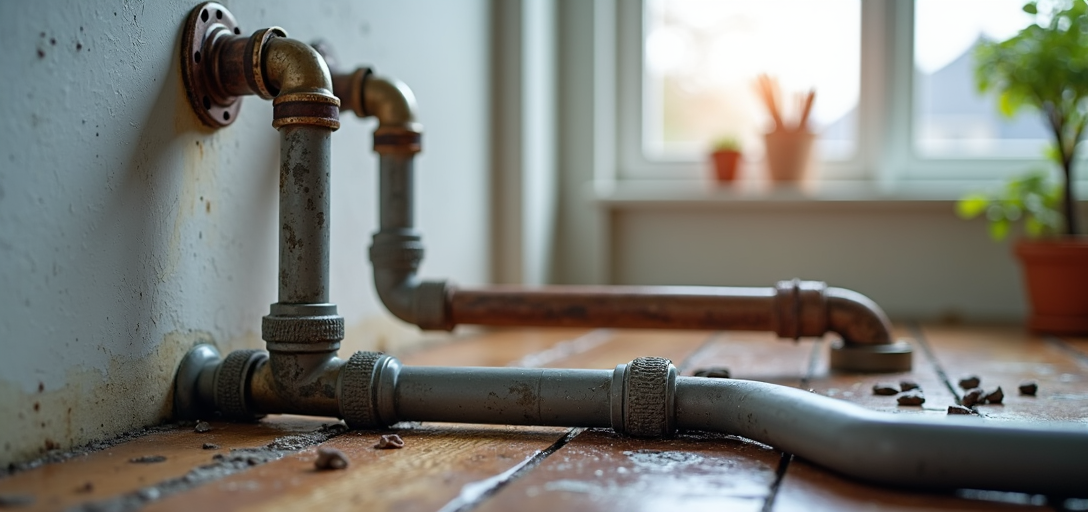
Understanding Homeowners Insurance Coverage for Burst Pipes
Homeowners insurance is an essential protection for property owners, offering financial coverage for various unexpected events. Among common questions homeowners have is whether this insurance covers burst pipes and other plumbing damages. Understanding your policy’s specifics is crucial for ensuring you're prepared when such unfortunate incidents occur.
What Does Homeowners Insurance Typically Cover?
Homeowners insurance policies generally provide protection for your home's structure and personal belongings from certain types of damage. These often include:
- Fire and smoke damage
- Vandalism
- Theft
- Weather-related damage, like windstorms or hail
Coverage can vary significantly depending on the insurance provider and the terms of the policy, making it vital to examine what your policy specifically includes.
Does Homeowners Insurance Cover Water Damage from Burst Pipes?
In the US, most standard homeowners insurance policies cover water damage caused by burst pipes. However, insurance often excludes damage resulting from poor maintenance or long-term leaks. For example:
- Sudden or accidental events: These are typically covered, so if a pipe bursts unexpectedly, insurance usually pays for resultant damage, such as soaked carpet or flooring.
- Negligence: If the pipe bursts due to lack of maintenance or prolonged negligence, resulting damages might not be covered.
Steps to Take When a Pipe Bursts
If you experience a burst pipe, quick action is essential:
- Shut off the water supply immediately to prevent further damage.
- Document the damage with photos or videos for your insurance claim.
- Contact your insurance agent to discuss your coverage and start the claims process.
- Restore and repair using a professional service to ensure lasting fixes and prevent mold.
Understanding Your Policy and Coverage Limits
Policies come with specific coverage limits, which determine the maximum amount they will pay out for a claim. It’s crucial to know:
- What your policy’s limits are for structural and personal property damages.
- If your policy includes sub-limits for specific types of damage, such as water-related incidents.
Regular reviews of your policy with your insurance agent ensure it remains aligned with your needs. This is particularly important in the face of inflation and increasing repair costs in 2026.
Are There Additional Coverages for Plumbing Issues?
Standard policies may fall short in covering all potential plumbing-related damages. Here are additional coverages to consider:
- Sewer Backup Coverage: This add-on can cover damage from sewer or drainage system backups.
- Flood Insurance: Separate from homeowners insurance, this covers flood-related water damages.
- Service Line Coverage: Covers the cost of repairing or replacing damaged utility lines, such as water pipes, within your property.
Real-Life Examples of Coverage Scenarios
Consider these real-life scenarios to understand how your policy might apply:
- A cold snap causes a pipe to burst inside a well-maintained home. The homeowner's insurance covered the water damage to the walls and flooring.
- A homeowner neglected a pipe known to freeze easily, which eventually burst. Due to lack of upkeep, the insurance denied the claim.
Recent Trends in Homeowners Insurance and Plumbing Coverage
In 2026, the US insurance market sees increasing customization in policies, allowing homeowners to tailor their coverage to better fit modern-day risks. According to a recent report from the Insurance Information Institute, there's a growing trend of including more comprehensive water damage protections in basic policies, motivated by climate change effects and the frequency of severe weather events.
Conclusion: Ensuring You're Adequately Protected
Understanding the specifics of your homeowners insurance policy is key to ensuring adequate protection from unexpected plumbing issues, like burst pipes. Regular reviews and potential add-ons can safeguard you from hefty repair costs. Keep open communication with your insurer and consider consulting resources like the National Association of Insurance Commissioners for additional guidance on navigating home insurance effectively.