Understanding Homeowners Insurance: Are Burst Pipes Covered in Winter?
Curious if homeowners insurance covers a burst pipe in winter? Discover what factors might influence coverage, as each policy can vary. While some homeowners insurance policies may cover water damage from burst pipes in winter, it's essential to review your specific terms and conditions.
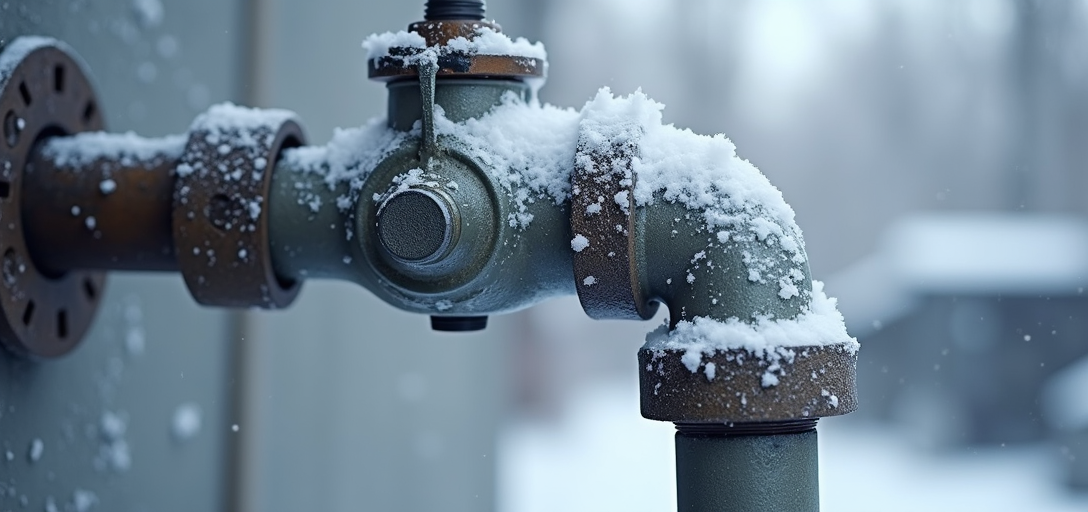
Understanding Homeowners Insurance and Burst Pipes in Winter
Winter can present a host of challenges for homeowners, especially when it comes to protecting their property from the harsh elements. One common issue that many face is a burst pipe due to freezing temperatures. This raises an important question: does homeowners insurance cover a burst pipe in winter? With the increasing frequency of severe winter weather incidents, understanding the ins and outs of your insurance policy is crucial.
What is Homeowners Insurance?
Homeowners insurance is a form of property insurance that provides coverage for a private residence. Typically, it covers losses and damages to a person's house and assets in the home. This insurance policy is crucial for offering protection against unexpected events or catastrophes like fire, theft, and certain natural disasters. However, it's essential to know that coverage can vary based on your specific policy and the insurance provider.
Does Homeowners Insurance Cover Burst Pipes?
The short answer is: it depends. Most standard homeowners insurance policies cover burst pipes and the water damage they cause, provided they are sudden and accidental. If a pipe bursts due to normal wear and tear or neglect, like not maintaining your heating during winter, the damage may not be covered.
Here are a few scenarios to consider:
- If a pipe bursts despite your efforts to prevent freezing, such as insulating pipes or keeping a steady temperature, most insurance policies will likely cover the damage.
- If a burst pipe occurs because you failed to maintain heat during a vacation, the claim might be denied due to negligence.
- Poor maintenance history or lack of effort to avert the incident may result in claim denial.
Preventive Measures for Homeowners
Preparing your home for winter weather is crucial not just for your safety but also for insurance purposes. Here are some steps homeowners can take to prevent pipes from freezing and bursting:
- Insulate pipes, especially those located in unheated areas like attics, basements, and crawl spaces.
- Maintain a consistent indoor temperature day and night and while away.
- Seal leaks around windows and doors to prevent cold air from coming in contact with pipes.
- During extreme cold, let cold water drip from faucets served by exposed pipes.
Making a Claim for Burst Pipe Damage
In the unfortunate event of a burst pipe, knowing how to proceed with a claim can alleviate some of the stress. Here’s a step-by-step guide:
- Immediately shut off the main water supply to prevent further damage.
- Document the damage with photos and videos before cleaning up any water.
- Contact your insurance provider as soon as possible to report the damage and start the claims process.
- Keep all receipts for repairs, services, and temporary accommodations if needed.
It's vital to communicate clearly with your insurance company and ask about any required documentation or specific forms to complete your claim. For specific advice, you might want to consult a property damage attorney to help navigate complex insurance policies.
Statistics and Data on Pipe Bursts
The frequency of pipe bursts has seen a noticeable increase in recent years, particularly in regions where extreme weather conditions are becoming more prevalent. A 2026 report by the U.S. Insurance Information Institute highlights that over 500,000 homes suffer from burst pipes annually, causing damage worth billions of dollars. This underscores the importance of both preventive measures and adequate insurance coverage. You can access more detailed information and data on this subject from the Insurance Information Institute.
Conclusion
Understanding your homeowners insurance policy and its coverage for burst pipes during winter is an essential part of being a responsible homeowner. By taking preventive measures, you not only reduce the risk of damage but also ensure that you are adequately covered should the worst happen. It’s always advisable to read through your policy or talk to your insurance agent to understand what is covered and what isn’t. Being proactive can save you significant financial stress and protect your home from winter's harshest impacts.
For further reading on preventive measures and detailed insurance guidelines, visit the Federal Emergency Management Agency (FEMA) website, which provides extensive resources on preparing for and recovering from natural disasters.