Understanding Housing Grants Available for Disabled Veterans
Explore the various housing grants available for disabled veterans in this comprehensive guide. Discover how these resources can assist in modifying and adapting homes to enhance accessibility and improve quality of life.
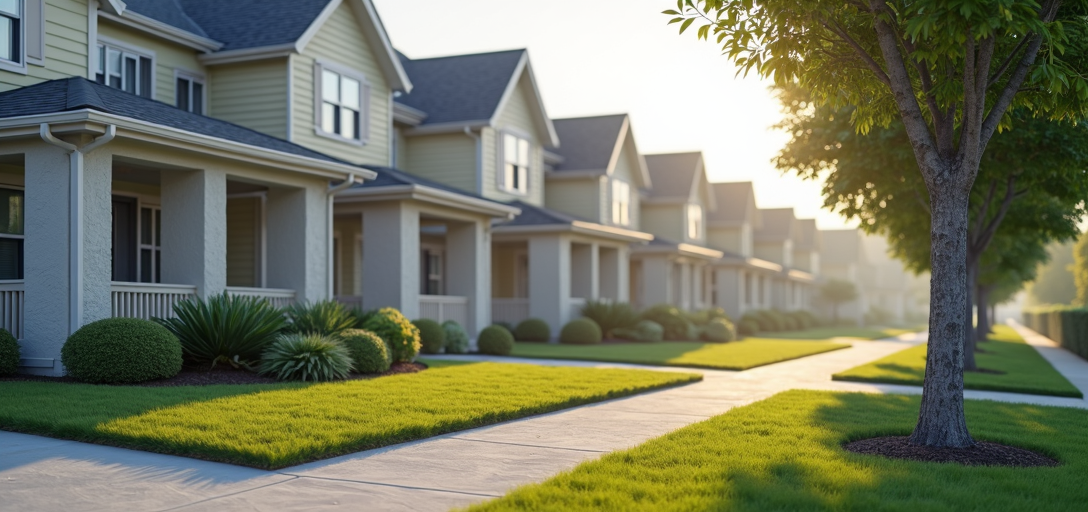
Housing Assistance for Disabled Veterans in the USA
Disabled veterans in the United States have access to several housing assistance programs designed to provide financial support and help improve their quality of life. These grants assist with the construction, purchase, or modification of a home to make it accessible. Understanding these options can be the first step towards ensuring that veterans live comfortably and securely.
Types of Housing Grants Available
Several grants are available to disabled veterans, each with specific eligibility criteria and benefits. Below are some of the primary grants:
Specially Adapted Housing (SAH) Grant
The SAH grant helps veterans with permanent and total service-connected disabilities. It can be used for building, purchasing, or adapting a home to accommodate the disabled person's needs.
- The maximum SAH grant amount for 2026 is $109,986.
- To qualify, veterans must have loss of or loss of use of both legs, loss of use of both upper extremities, or severe burns.
Special Housing Adaptation (SHA) Grant
The SHA grant is designed for veterans who own a home and need modifications due to their disabilities. It applies to those with less severe disabilities than SAH eligibility requires.
- The 2026 maximum amount for SHA grants is $22,036.
- Eligibility includes disability due to blindness, loss of or loss of use of both hands, and certain respiratory disabilities.
Temporary Residence Adaptation (TRA) Grant
The TRA grant assists with adapting the home of a family member where a veteran is temporarily living. This grant is available to those eligible for both the SAH or SHA grants.
- For SAH-eligible veterans, the 2026 limit is $44,000.
- For SHA-eligible veterans, the maximum is $7,910.
How to Apply for Housing Grants
Applying for housing grants involves several steps, and it's important for veterans to be aware of the process to increase their chances of receiving assistance.
- Ensure your VA disability rating and records are up to date and readily available.
- Submit an application through the VA’s website or mail.
- Consult with a VA housing counselor to understand specific requirements and steps.
For further assistance, veterans can contact the VA directly or work with a veteran service organization to guide them through the application process.
Real-World Examples of Housing Modifications
Understanding how these grants can be used can provide clarity and inspiration for veterans considering this option.
- Wheelchair ramps and lifts for easy access.
- Widened doorways and hallways to accommodate mobility devices.
- Bathroom modifications such as roll-in showers and accessible sinks.
- Kitchen adjustments, including lowered countertops and cabinets.
These modifications not only increase comfort but also enhance independence and safety for disabled veterans.
Additional Resources and Support
Veterans seeking further information can explore additional resources and support systems:
- The VA's official website for detailed grant information and application guidance.
- Habitat for Humanity offers specific programs and assistance for veterans requiring housing modifications.
- The National Resource Directory (NRD) provides a database of services and resources for veterans, including housing and grants.
By leveraging these resources, disabled veterans can gain access to more opportunities and streamlined processes for securing the housing assistance they need.
Conclusion: Empowering Disabled Veterans Through Housing Grants
The housing grants available to disabled veterans are essential for promoting independence, comfort, and security. By understanding the various options like SAH, SHA, and TRA, and knowing the application processes and available resources, veterans can take significant steps towards improving their living conditions. Awareness and education play a crucial role in leveraging these benefits effectively.
Veterans and their families are encouraged to reach out to the VA and other supporting organizations to navigate their options and make informed decisions about adapting or purchasing a home suited to their needs.