Understanding How an Accident Affects Your Insurance Rate Even When It's Not Your Fault
Wondering what happens to your insurance rate after an accident that wasn't your fault? Learn the factors that may affect your insurance rate, even when you weren't at fault. Not every situation guarantees an increase, as various factors play a role in determining rate adjustments.
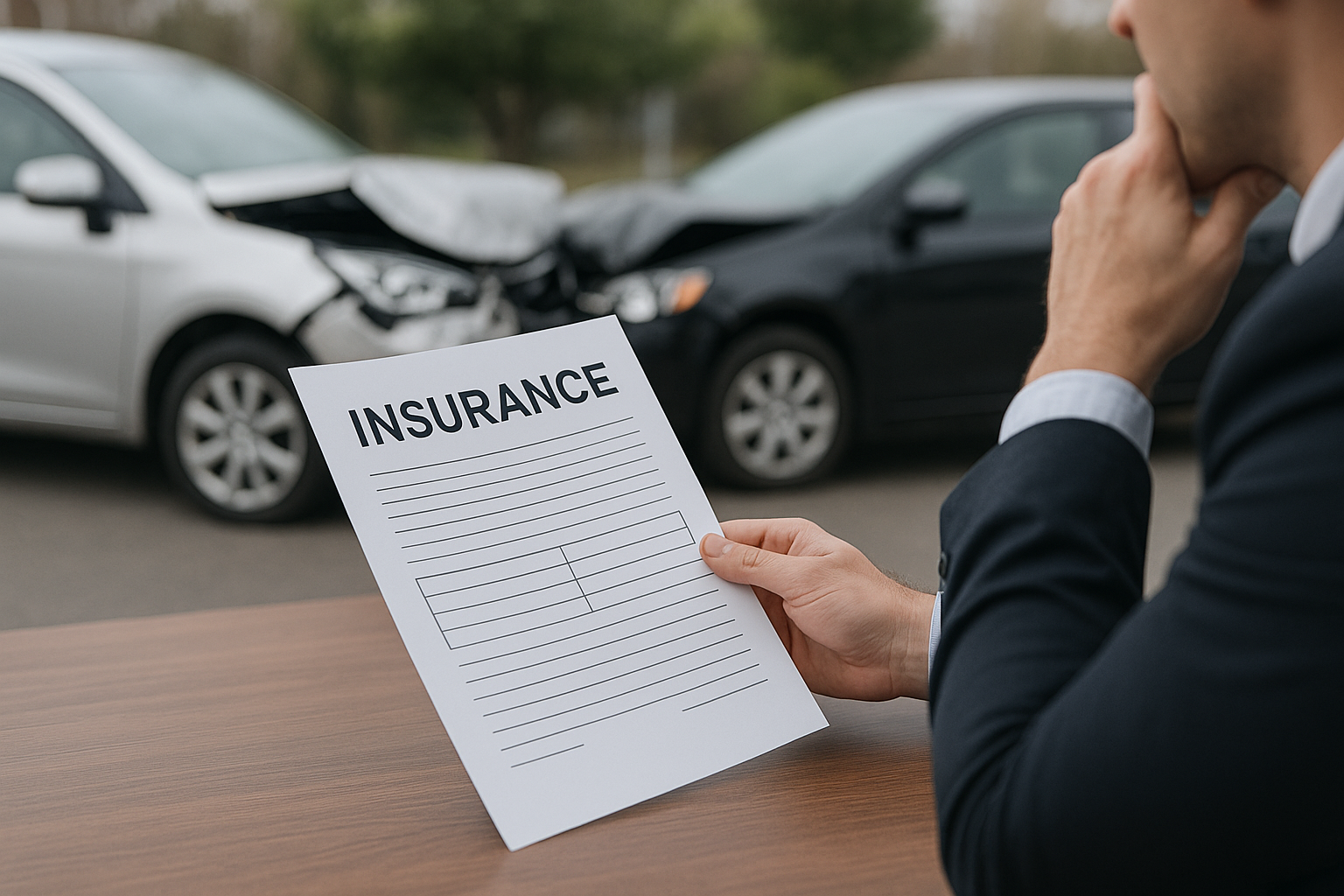
Understanding Insurance Rates After an Accident
Accidents happen, and it's not uncommon to wonder about the implications these events might have on your insurance rates, especially when the accident wasn’t your fault. Many people fear that even non-fault accidents could lead to increased insurance premiums. This article will delve into the specifics of how insurance rates can be affected after such incidents, providing clarity and useful information on this complex subject.
Do Insurance Rates Automatically Go Up?
One of the primary concerns drivers have after a non-fault accident is whether their insurance rates will climb. Generally, whether or not your rates increase depends on various factors such as your insurance policy, the laws in your state, and your insurance company’s policies.
In the United States, some states have regulations that prohibit insurers from raising rates for accidents where the policyholder is not at fault. For instance, states like California, Massachusetts, and Oklahoma protect drivers from premium hikes in non-fault situations. However, outside these jurisdictions, insurers might employ different underwriting guidelines that could lead to a rate increase.
Insurance Companies' Perspective
Insurance companies assess risk based on the likelihood of a driver filing a claim. While a non-fault accident may seem irrelevant to your driving ability, insurers might still view it as an indicator of potential risk. Here’s why:
- Frequency of Accidents: If you have multiple non-fault claims, insurers might consider your driving routes or locations you usually drive accident-prone.
- Risk Factor Assessment: Your involvement in any accident, irrespective of fault, could statistically suggest higher exposure to risky environments.
It’s important to review the terms and conditions with your insurance agent to understand specific company policies about rate assessments after non-fault accidents.
Key Factors That Influence Rate Changes
While the possibility of a rate increase exists, it’s contingent on several factors:
- Your Overall Driving Record: A clean record can often shield you from rate hikes after a single non-fault accident.
- Type of Accident: Severity and circumstances of the accident play a role. Minor incidents are less likely to impact rates compared to serious collisions with injuries or major property damage.
- Claims History: Insurers consider previous claims history. Frequent claims, even if not at fault, can raise red flags for insurers.
How Different Insurance Types Respond
Different insurance policies might respond differently to non-fault accidents:
- Liability Insurance: Typically covers damages if you’re at fault. Conversely, a non-fault accident doesn't directly impact this segment.
- Collision and Comprehensive Coverage: Often these policies might factor in all types of accidents when adjusting rates, irrespective of fault.
Steps to Take After a Non-Fault Accident
To minimize the risk of rate increases, consider these actions:
- Document the Incident: Collect all pertinent information, such as photos, witness contacts, and police reports.
- Notify Your Insurer: Prompt notification helps streamline the claims process. Provide all details and any official documentation.
- Consider a No-Claim Bonus: Review if your policy includes a no-claims discount or forgiveness clause that might protect you from rate hikes.
Can You Fight a Rate Increase?
In some cases, policyholders may contest rate increases. Here’s how you can try:
- Request an Explanation: Ask your insurer to provide a detailed explanation of why your rates were increased.
- Re-evaluate Your Policy: Consider shopping around for other insurance providers offering better rates or conditions under non-fault circumstances.
- Consumer Rights and State Laws: Familiarize yourself with your state's insurance laws to understand your rights and protections.
The Importance of Comparing Insurance Providers
Given the variance in how insurance companies approach premium calculations, regularly comparing offers is advisable. Websites like National Association of Insurance Commissioners (NAIC) or NerdWallet provide resources to help consumers find better deals and more responsive customer service.
Research and Statistics
Recent research from 2026 by the Insurance Information Institute indicates a 12% rise in premiums industry-wide, attributed to a mix of inflationary trends and increased accident rates. Understanding trends can assist consumers in making informed decisions about coverage.
Conclusion
While dealing with insurance matters post-accident can be cumbersome, understanding your policy and rights helps mitigate unexpected expenses. It's crucial to remain informed, communicate effectively with your insurer, and periodically reassess your insurance needs.