Understanding How Your Roof's Age Impacts Your Home Insurance Rates
Wondering how your roof's age can change your home insurance rate? Discover the factors insurers consider when assessing your premium. Older roofs might lead to higher costs due to potential damage risks, while newer roofs could offer savings.
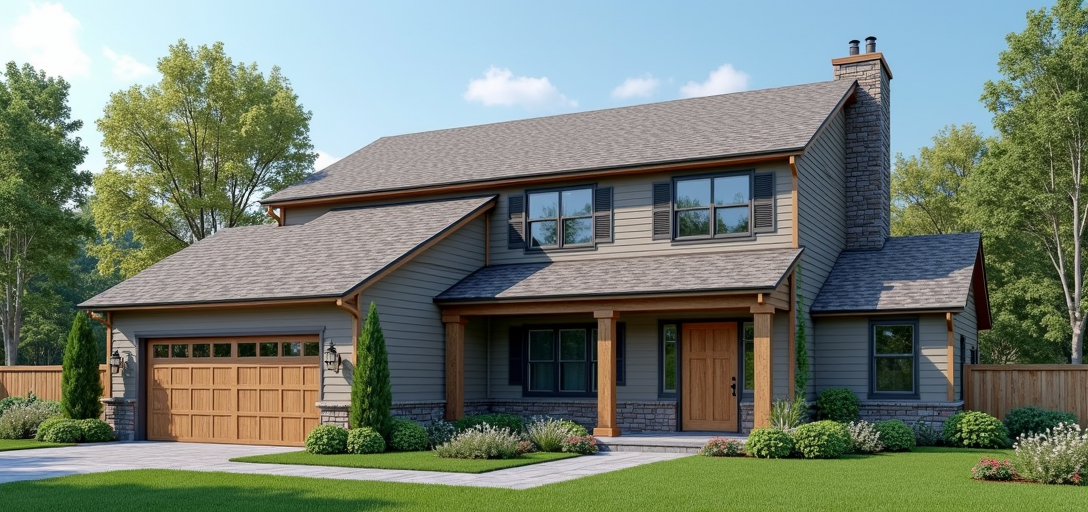
Understanding the Connection Between Roof Age and Home Insurance Rates
When it comes to home insurance, several factors influence your premium. One crucial, although often overlooked, factor is the age of your roof. In this article, we will explore how the age of your roof can significantly impact your home insurance rates and what you can do to manage these costs effectively.
Why Does Roof Age Affect Home Insurance Rates?
The condition of your roof plays a vital role in determining the risk your home presents to insurance companies. A well-maintained roof protects your home from environmental elements such as rain, wind, and hail. Conversely, an older roof can present a higher risk of damage during adverse weather conditions, thus increasing the likelihood of a claim.
- Risk Assessment: Insurance companies assess the likelihood of roof failure or damage. Older roofs are considered riskier investments, hence the higher premiums.
- Repair and Replacement Costs: The potential cost of repairing or replacing an old roof is a factor in calculating insurance rates.
- Material Deterioration: Roofs made from deteriorating materials may not only lead to leaks but also to more extensive structural damage to the home.
How Insurance Companies Determine Roof Impact
Insurance companies use various methods to determine how your roof affects your premium. Here’s an overview of key aspects they evaluate:
- Roof Inspection: Many insurers require or conduct inspections to assess the roof's condition.
- Documentation: Policyholders are often required to submit photos or documentation of roof repairs and maintenance.
- Age and Material: The type of material (e.g., asphalt shingles, metal, or tile) and its expected lifespan are considered.
Recent Trends and Statistics
According to a 2026 report by the National Association of Home Builders, the average lifespan of a roof ranges from 20 to 50 years, depending on the material. Furthermore, a study by the Insurance Information Institute revealed that policyholders with roofs over 20 years old saw a 15% increase in their premiums in the last year alone.
These statistics underscore the importance of roofing considerations in managing home insurance costs effectively.
Steps to Manage Your Home Insurance Rate with an Aging Roof
If you are concerned about your roof's age affecting your insurance premium, here are some actionable steps you can take:
- Regular Maintenance: Schedule periodic inspections and repairs to keep your roof in good condition. Keeping records of these repairs can also be beneficial.
- Install Impact-Resistant Roofing: Consider installing high-quality, impact-resistant materials during a roof replacement, as these can lower insurance premiums.
- Shop Around: Different insurers have varying criteria for assessing roof risks. Obtain multiple quotes to ensure you get the best rate.
Real-World Examples
Consider the case of a Florida homeowner who replaced their 25-year-old roof with newer, impact-resistant materials. As a result of the upgrade, not only did they improve their home's safety during hurricane season, but they also saw a 20% decrease in their home insurance premiums.
Another example is a homeowner in Texas who maintained detailed records of regular roof inspections and repairs over the years. When negotiating with their insurer, they successfully used this documentation to avoid a premium hike despite the roof being over 15 years old.
Important Considerations When Replacing Your Roof
When managing roof-related insurance costs, it's essential to keep a few considerations in mind:
- Choosing the Right Material: Different roofing materials have varying lifespans and costs. Metal roofs, for example, often last longer and may provide savings in the long run.
- Potential Discounts: Check with your insurance company about potential discounts for installing new roofs, especially ones adhering to high-impact standards.
- Local Regulations: Familiarize yourself with any local regulations or building codes that influence roofing installations or repairs.
Conclusion
Your roof plays a pivotal role in determining your home insurance rates. By understanding how roof age impacts these rates, maintaining regular upkeep, and considering strategic upgrades, you can effectively manage your home insurance premiums. Always consult with your insurer for personalized advice and explore potential savings options to ensure your home remains protected without breaking the bank.