Understanding Hypoparathyroidism: Key Signs and Symptoms to Recognize
Understand the complexities of hypoparathyroidism through its subtle signs and symptoms. Early recognition of this condition can significantly impact quality of life. While each person's experience may differ, common symptoms include muscle cramps and fatigue.
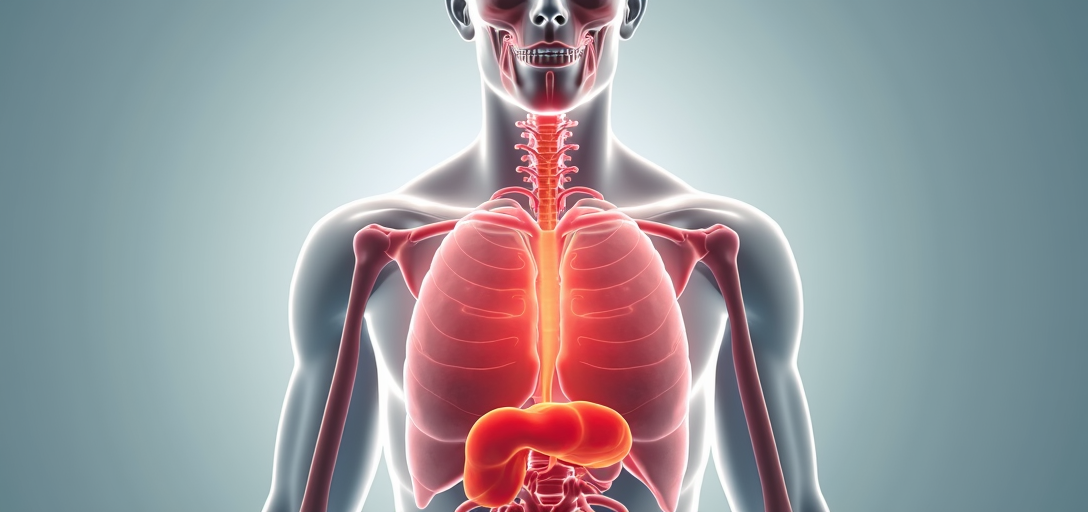
Understanding Hypoparathyroidism
Hypoparathyroidism is a rare endocrine disorder that is characterized by insufficient production of parathyroid hormone (PTH) from the parathyroid glands. These small glands, situated in the neck near the thyroid gland, play a crucial role in regulating calcium and phosphorus levels in the blood. When PTH levels are low, it can lead to hypocalcemia (low blood calcium levels) and hyperphosphatemia (elevated phosphorus levels), both of which can cause a range of symptoms and health complications.
Causes of Hypoparathyroidism
There are several potential causes for hypoparathyroidism, and understanding these underlying factors is crucial for appropriate management and treatment. Common causes include:
- Surgical Removal: Damage or removal of the parathyroid glands during thyroid or neck surgery is the most common cause.
- Autoimmune Disease: The immune system may mistakenly attack the parathyroid glands.
- Hereditary Disorders: Genetic disorders such as DiGeorge syndrome or familial isolated hypoparathyroidism.
- Radiation Therapy: Radiation treatment for cancers in the head or neck can damage these glands.
- Infiltrative Diseases: Conditions like Wilson's disease or hemochromatosis that involve abnormal deposits in tissues.
Recognizing the Signs and Symptoms
Early detection of hypoparathyroidism is key to preventing complications. The symptoms can vary widely in severity:
- Neuromuscular Symptoms: Tingling or numbness in fingertips, toes, and lips, and muscle cramps or spasms.
- CNS Manifestations: Seizures or prolonged confusion, which are serious indicators requiring immediate attention.
- Cardiac Symptoms: Abnormal heart rhythms, particularly if calcium levels drop significantly.
- Psychological Effects: Anxiety, depression, or mood swings due to low calcium levels affecting brain function.
- Chronic Symptoms: Fatigue, hair loss, brittle nails, or dry, coarse skin.
Diagnosis of Hypoparathyroidism
Diagnosis generally involves blood tests to measure calcium, phosphorus, and PTH levels. Often, low calcium, high phosphorus, and low or absent PTH confirm the condition. In some cases, imaging tests or genetic testing may be necessary to identify underlying causes.
Management and Treatment
Treating hypoparathyroidism primarily involves correcting the imbalance of calcium and phosphorus. Here are common approaches:
- Calcium Supplements: Oral calcium supplements are often prescribed to manage hypocalcemia.
- Vitamin D: Active forms of vitamin D, such as calcitriol, help increase calcium absorption from the gut.
- Recombinant Parathyroid Hormone: For some patients, synthetic PTH may be necessary to maintain stable blood calcium levels.
- Monitoring and Lifestyle Changes: Regular monitoring of blood chemistry is essential. Additionally, dietary changes to include calcium-rich and low-phosphorus foods may be advised.
Living with Hypoparathyroidism
Managing hypoparathyroidism is a lifelong journey that requires diligence and regular healthcare support. Patients are advised to maintain a consistent treatment regimen, attend all medical appointments, and adhere to lifestyle recommendations.
Support groups and educational resources can provide significant assistance. Organizations such as the Hypoparathyroidism Association and the Endocrine Society offer valuable support for patients and families.
Recent Research and Developments
Recent studies in 2026 suggest new potential therapies and advancements in genetic research, paving the way for personalized treatment plans. Notable is the increased focus on recombinant PTH therapies, which provides an avenue for more effective management, highlighted in findings from the National Institutes of Health.
Moreover, emerging technologies in diagnostic tools are offering quicker, non-invasive ways to monitor calcium levels, streamlining the diagnosis and management process for healthcare providers and patients alike.
Conclusion
While hypoparathyroidism remains a complex condition, advances in medical research and treatment options provide hope for improved quality of life. Understanding the causes, recognizing symptoms early, and adhering to management plans are critical steps for individuals affected by this disorder.
Continued awareness and education are important, as they empower patients to advocate for their health needs and seek appropriate care. This aspect underlines the importance of healthcare systems staying updated with the latest medical advancements to offer the best care possible.