Understanding Hypoparathyroidism: Key Signs and Symptoms to Watch For
Hypoparathyroidism often goes unnoticed due to its subtle symptoms, but recognizing these signs can be crucial. Common indicators of hypoparathyroidism include tingling in fingers, muscle cramps, and fatigue that should prompt further medical consultation.
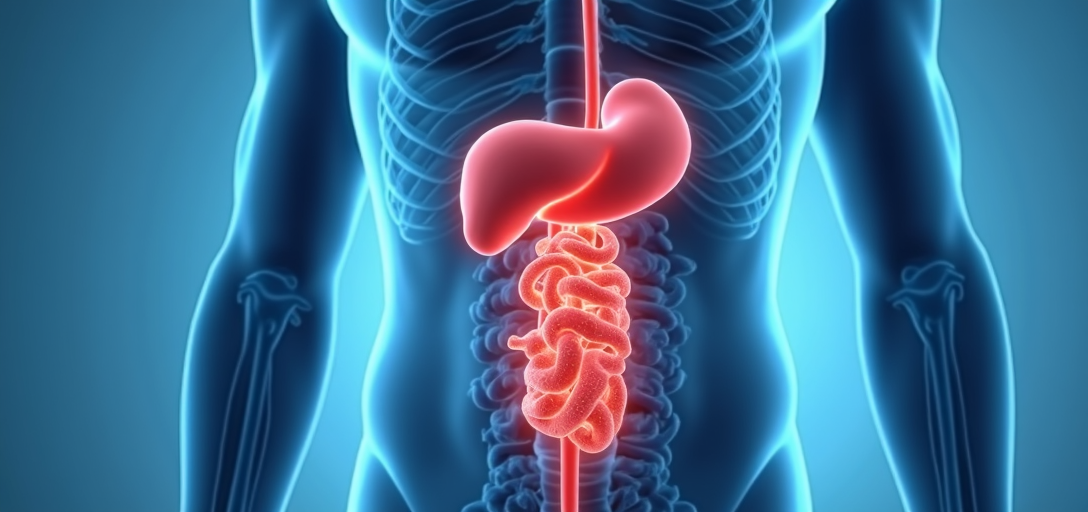
Understanding Hypoparathyroidism
Hypoparathyroidism is a rare endocrine disorder characterized by insufficient production of parathyroid hormone (PTH) by the parathyroid glands. The parathyroid hormone plays a crucial role in regulating calcium, phosphorus, and vitamin D levels in the blood and bones. When produced in inadequate amounts, it can lead to a variety of health issues.
Although the condition affects only an estimated 70,000 people in the United States, it can have significant repercussions on those impacted. Recognizing the signs and symptoms is essential for timely diagnosis and effective management. To provide a comprehensive understanding of hypoparathyroidism, we will explore its causes, symptoms, diagnosis, treatment options, and lifestyle management.
Causes of Hypoparathyroidism
There are several potential causes of hypoparathyroidism, which can be categorized into acquired, genetic, and idiopathic types.
- Acquired Hypoparathyroidism: The most common cause is surgical damage or removal of the parathyroid glands during thyroidectomy or other neck surgeries. This damage results in decreased hormone production.
- Genetic Hypoparathyroidism: Some cases are due to genetic mutations affecting the development or function of the parathyroid glands.
- Idiopathic Hypoparathyroidism: In some instances, the cause is unknown, classifying these cases as idiopathic. This type may be a result of autoimmune disorders.
Recognizing the Signs and Symptoms
The symptoms of hypoparathyroidism can vary in severity depending on the level of calcium deficiency. Here are some of the most common signs:
- Tingling or Numbness: A tingling sensation, particularly around the fingertips, toes, and lips, is one of the earliest symptoms.
- Muscle Cramps and Spasms: Low calcium levels can lead to Tetany, characterized by muscle cramps and spasms in the hands and face.
- Fatigue and Weakness: Constantly feeling tired and weak is common as the body struggles to maintain normal calcium levels.
- Dry Skin and Hair: Calcium deficiency can lead to dryness of skin and hair, which might become brittle.
- Anxiety and Depression: Emotional symptoms, including anxiety, depression, and memory issues, often accompany physical ones.
Diagnosing Hypoparathyroidism
If hypoparathyroidism is suspected, a healthcare provider will conduct a thorough evaluation, which typically includes the following steps:
- Blood Tests: These are crucial to measure calcium, phosphorus, magnesium, and parathyroid hormone levels in the blood.
- Urine Tests: Urine tests can assess the effectiveness of calcium being reabsorbed by the kidneys.
- Imaging Tests: Sometimes, imaging tests like CT scans or X-rays may be ordered to examine calcification in the brain or kidneys.
Treatment Options
The main goal of treatment for hypoparathyroidism is to manage symptoms and maintain normal calcium levels in the body. Treatment plans are personalized and can include:
- Calcium Supplements: Oral calcium carbonate or citrate supplements are commonly used to regulate calcium levels.
- Active Vitamin D: Since vitamin D helps in calcium absorption, supplements like calcitriol are often prescribed.
- Thiazide Diuretics: These may be used to reduce calcium excretion in urine.
- Parathyroid Hormone Replacement: In certain cases, hormone replacement therapy using synthetic PTH, such as Natpara, may be considered. However, its availability is subject to regulatory approval and current clinical guidelines.
Lifestyle Management and Coping Strategies
In addition to medical treatments, several lifestyle changes and coping mechanisms can enhance the quality of life for individuals with hypoparathyroidism:
- Dietary Adjustments: Incorporating calcium-rich foods, such as dairy products, leafy greens, and fortified cereals, supports calcium balance in conjunction with supplements.
- Regular Monitoring: Routine follow-ups with a healthcare provider are crucial to monitor blood calcium levels and adjust treatments as necessary.
- Stress Management: Stress can exacerbate symptoms, so engaging in regular physical activity, mindfulness practices, and relaxation techniques is beneficial.
- Educational Resources: Joining support groups or accessing online resources, such as those provided by The Parathyroid Foundation, can provide valuable support and information.
Recent Developments and Research
Advancements in research continue to improve our understanding and treatment of hypoparathyroidism. Recent studies published in 2026 emphasize the potential for novel therapies and improvements in hormone replacement strategies. Ongoing clinical trials are testing the efficacy of new medication formulations that may provide better control over calcium levels with fewer side effects. For example, a study in the Journal of Pediatric Endocrinology highlights promising new hormone therapies currently under investigation.
Conclusion
Hypoparathyroidism is a manageable condition once accurately diagnosed and appropriately treated. Understanding its origins, recognizing symptoms early, and adhering to individualized treatment plans are key to maintaining a healthy lifestyle. Ongoing research efforts are directed toward enhancing treatment options, offering hope for more effective management in the future. It’s important for anyone exhibiting potential symptoms of hypoparathyroidism to seek medical advice promptly to ensure optimal care and quality of life.