Understanding If Your Roof Damage is Eligible for an Insurance Claim
Homeowners might not be aware that certain roof damage may qualify for an insurance claim. Exploring your roof's condition after severe weather could reveal opportunities for potential claims.
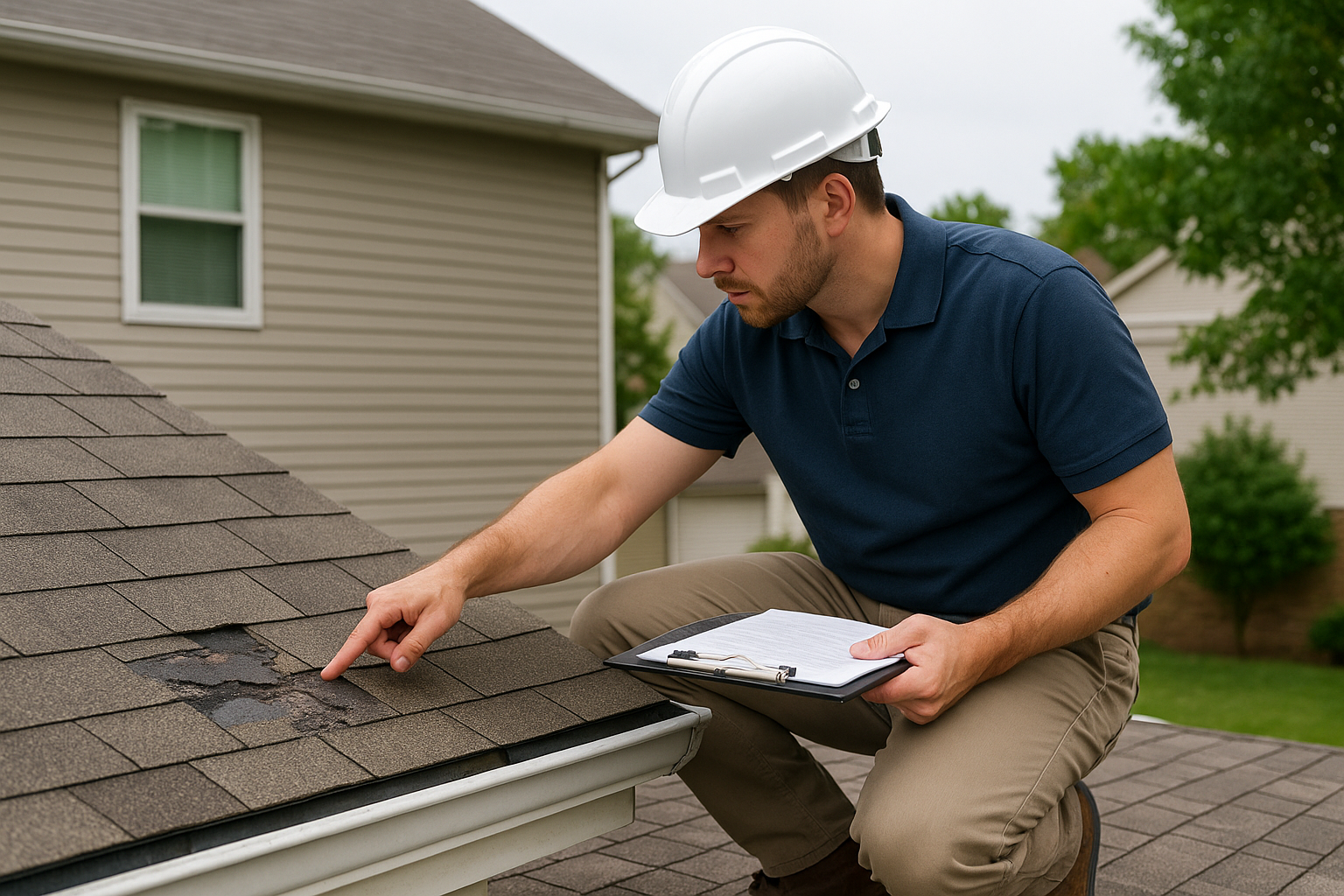
Understanding Roof Damage and Insurance Claims
Roof damage can be a significant issue for homeowners, not only because it compromises the safety and integrity of your home, but also because it can be expensive to fix. Fortunately, many homeowners' insurance policies cover various types of roof damage. If your roof is damaged, it may qualify for an insurance claim, potentially relieving the financial burden of repairs. Below, we dive into the details of what types of roof damage are typically covered, how to navigate the claims process, and tips for maximizing your claim potential.
What Types of Roof Damage Are Typically Covered by Homeowners Insurance?
Insurance policies generally cover sudden and accidental roof damage, but the specifics can vary. Commonly covered types include:
- Storm Damage: High winds, hail, and lightning strikes can all cause significant roof damage, typically covered by most policies.
- Fallen Trees or Branches: If a tree falls on your roof due to a covered peril, the resulting damage is usually covered.
- Fire: Damage resulting from fire, including roof damage from extinguishing efforts, is often covered.
- Vandalism: Unusual as it may seem, vandalism that leads to roof damage is typically included under most policies.
However, it’s crucial to understand that roof damage resulting from neglect or lack of maintenance might not be covered. Regular inspections and upkeep can prevent issues and help in the event you need to file a claim.
Common Exclusions from Roof Damage Coverage
While many forms of roof damage are covered, there are notable exclusions, including:
- Wear and Tear: Regular aging and wear do not qualify as insurable damage.
- Poor Maintenance: Damage resulting from the homeowner’s failure to maintain the roof properly is often excluded.
- Certain Natural Disasters: Certain policies may exclude damage from natural disasters like floods or earthquakes unless additional coverage is purchased.
Understanding these exclusions can help you better care for your roof, ensuring that potential claims are valid.
Steps to Filing an Insurance Claim for Roof Damage
Filing an insurance claim for roof damage can be daunting. Here are the steps you should follow to help ensure a smooth process:
1. Document the Damage
Immediately after the damage occurs, document everything. Take clear, detailed photos and notes on the extent of the damage. This will be crucial when filing your claim.
2. Prevent Further Damage
Ensure that the damage does not worsen. This might mean covering the damaged area with a tarp or taking other temporary protective measures.
3. Review Your Insurance Policy
Before you contact your insurer, familiarize yourself with your policy details. Understand your coverage limits and exclusions, so you’re equipped when discussing the situation.
4. Contact Your Insurance Company
File a claim with your insurer as soon as possible. Provide them with documentation and any evidence of the damage. Prompt reporting is essential.
5. Get a Professional Roof Inspection
Enlist a professional roofer to inspect the damage and provide an estimate for repairs. Their expertise and detailed reports can support your claim.
6. Meet the Insurance Adjuster
An adjuster from your insurance company will visit to assess the damage. Ensure you or your roofer are present to provide input and information about the damage.
Tips for Maximizing Your Roof Damage Insurance Claim
Get the most from your insurance claim by following these tips:
- Keep Detailed Records: Maintain a thorough record of any communication with your insurance company, along with copies of all documents submitted.
- Don’t Settle Quickly: Be cautious of quick settlements, which may not cover all costs. Ensure a thorough evaluation before accepting any offers.
- Hire a Public Adjuster: If your claim is complex, consider hiring a public insurance adjuster to independently appraise your claim and advocate on your behalf.
Why Regular Roof Maintenance is Essential
Proactively maintaining your roof can prevent damage and ensure claim validity:
- Schedule regular inspections to spot and address potential weaknesses.
- Clear debris to prevent water pooling and added weight on the roof surface.
- Replace broken or worn shingles promptly to maintain the roof’s integrity.
For more information, you can visit resources like Insurance Information Institute and Consumer Reports to learn more about homeowners insurance.