Understanding Insurance Gaps for Uber Drivers: Protect Your Ride
Navigating the world of ridesharing can be tricky, especially when it comes to understanding Uber driver insurance coverage gaps. While driving for Uber offers flexibility, it's crucial to know the limitations of your insurance policy.
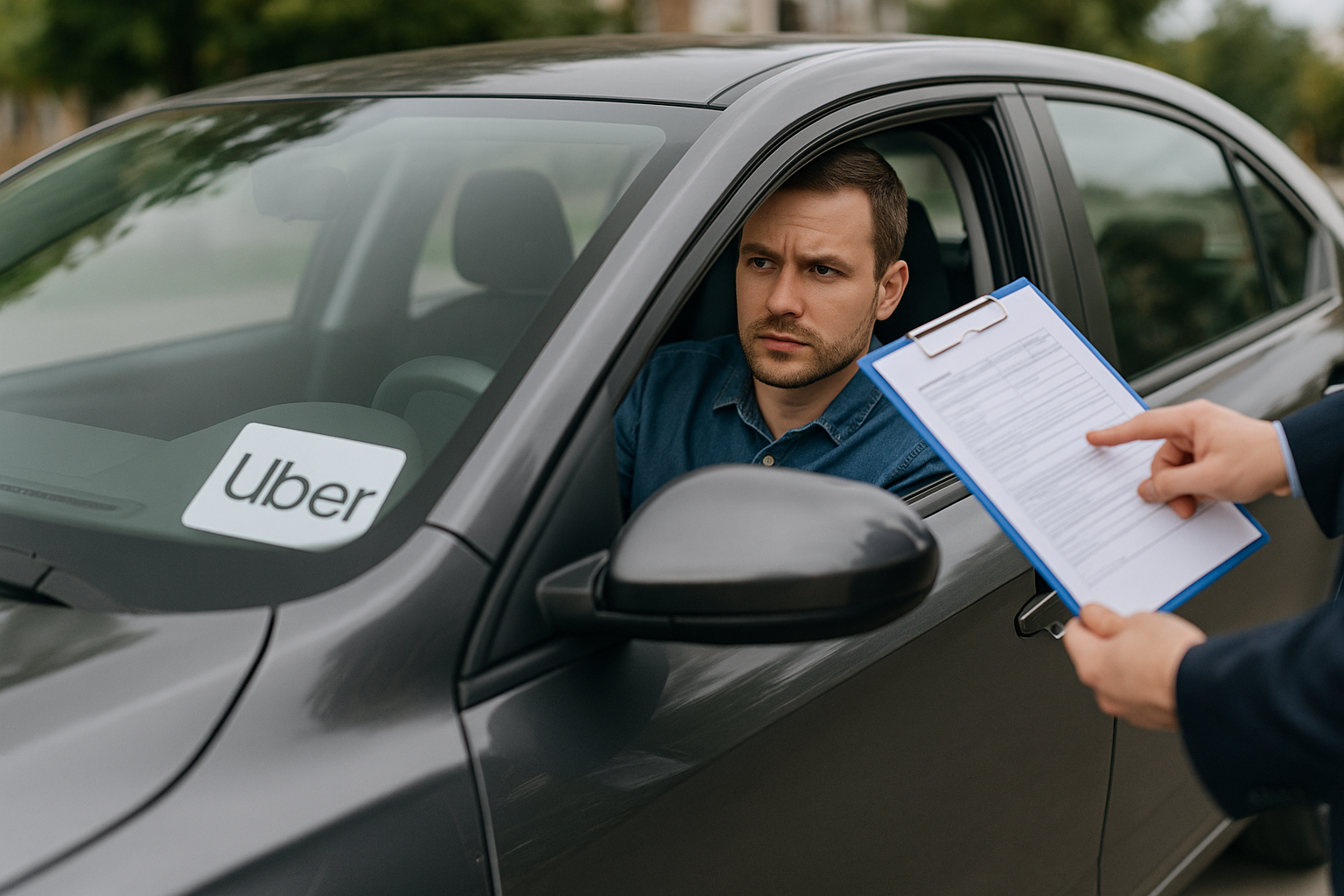
Understanding Uber Driver Insurance Coverage Gaps
As an Uber driver, you play a vital role in the realm of ride-sharing, providing convenient transportation options for people around the globe. However, one critical aspect that deserves your attention is insurance coverage. Many drivers remain unaware of the potential gaps in coverage inherent in standard policies compared to what they actually need. These gaps can leave drivers vulnerable to financial risk in the event of an accident. This article aims to clarify these coverage gaps and provide you with actionable information to protect yourself adequately.
What Are Insurance Coverage Gaps?
Insurance coverage gaps refer to periods or scenarios where an Uber driver's current insurance policies may not provide full protection. This is particularly significant for rideshare drivers who operate their vehicle for both personal use and business purposes. While Uber provides its drivers with some insurance coverage, it may not cover all situations, leading to potential exposure to hefty liabilities.
The Phases of Uber Driving and Corresponding Coverage
To understand coverage gaps, it's essential to note the three distinct phases of Uber driving:
- Phase 1: The app is off, and the driver is not accepting rides. In this scenario, the driver’s personal auto insurance is typically the primary coverage.
- Phase 2: The app is on, and the driver is waiting for a ride request. Here, there might be limited coverage from Uber, such as liability insurance for third parties, but personal insurance may still have coverage gaps.
- Phase 3: The driver has accepted a ride and is en route or has passengers in the vehicle. During this phase, Uber offers comprehensive liability coverage, but this might not extend to damage to the driver's vehicle.
Why Your Personal Auto Insurance May Fall Short
Many personal auto insurance policies exclude coverage for commercial activities, such as ridesharing. As a result, if an accident occurs while you are working as an Uber driver, your insurer could deny the claim, leaving you responsible for damages. It's a common misconception among drivers that their personal policy has them fully covered, but commercial activity exclusions can leave them open to unforeseen financial burdens.
How Uber's Insurance Works
Uber's insurance functions as a tiered system based on the driver’s activity phase. When the app is off, the company’s policy does not apply, leaving the driver reliant on personal coverage. When waiting for a request, Uber provides contingent liability coverage, approximately up to $50,000 per injury and $100,000 per accident. This offers some protection, but it may not be sufficient in severe or multi-vehicle accidents.
During a fare (Phase 3), Uber's policies provide more robust coverage, including $1 million of third-party liability coverage and contingent comprehensive collision coverage, as long as the driver also has collision coverage on their personal auto policy.
How to Fill Uber Insurance Coverage Gaps
To avoid costly coverage gaps when working as an Uber driver, consider these options:
- Rideshare Insurance Endorsements: Many insurance companies now offer endorsements or extensions specifically for rideshare drivers, closing coverage gaps that exist when your ridesharing app is on.
- Commercial Auto Insurance: If you drive extensively for Uber or other ride-sharing platforms, a commercial auto policy might be more beneficial. These policies are designed for vehicles used for business purposes, offering comprehensive coverage in all operation phases.
Real-World Examples of Coverage Gaps
Consider the case of an Uber driver in California who, in early 2026, was involved in an accident while waiting for a ride request (Phase 2). Since his personal policy didn’t cover him during that time, and Uber’s contingent cover was insufficient for the multiple party claims incurred, he faced out-of-pocket expenses. This incident highlights the importance of understanding and securing proper coverage.
Current Industry Trends and Statistics
The insurance industry has responded to the rise of ridesharing with tailored products for this unique risk exposure. According to a 2026 report by the Insurance Information Institute, nearly 30% of rideshare drivers in the U.S. now hold specific rideshare endorsements, up from just 12% in 2023. This increase indicates a growing awareness and a shift toward more comprehensive coverage strategies.
Insurance Information Institute: Understanding Your Rideshare Insurance Options
NY Times: The Complicated Art of Insurance for Uber Drivers
Conclusion: Securing Your Future on the Road
Understanding and addressing insurance coverage gaps as an Uber driver is crucial for your financial security. By assessing your current policies and exploring rideshare-specific insurance options, you can ensure that you are adequately covered for all phases of your driving activities. Stay informed and proactive to protect yourself from unexpected liabilities and to maintain peace of mind while you keep doing what you love — driving.
Uber Driver Insurance Coverage Gaps
Uber Driver Insurance Coverage
Uber Driver Insurance Requirements
Uber Commercial Insurance Coverage
Uber Driver Collision Coverage