Understanding Mammograms: How Often Is Right for You?
Curious about how often you should get a mammogram? Learn about recommended screening guidelines and factors that might influence your personal schedule. Understand the importance of regular mammograms as a part of your health routine.
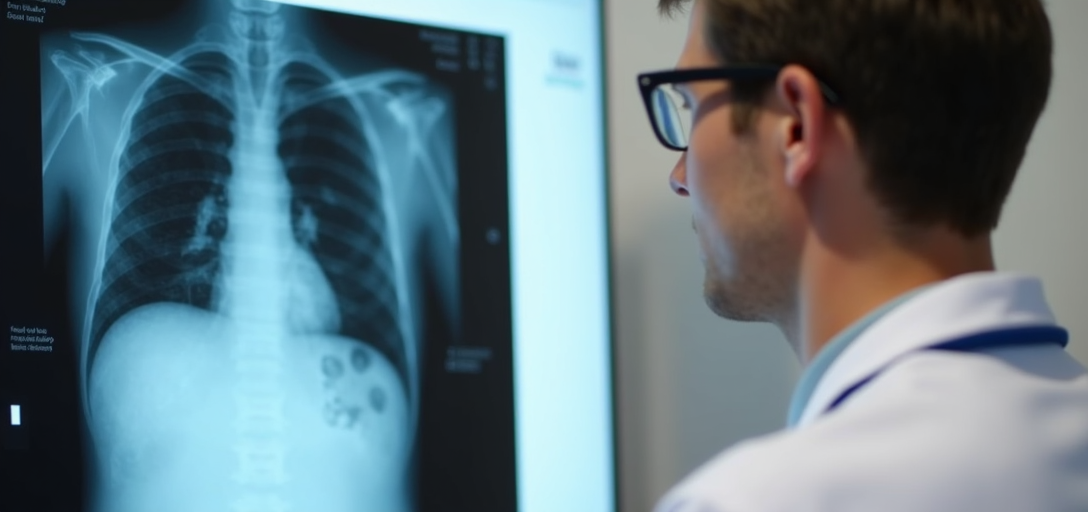
The Importance of Mammograms
Mammograms play a crucial role in the early detection of breast cancer, which significantly increases the chances of successful treatment and survival. In the United States, breast cancer is the second most common cancer among women, and timely screening is essential in addressing this public health challenge.
What is a Mammogram?
A mammogram is an X-ray of the breast used to detect tumors and other abnormalities. Typically, it can reveal changes in the breast up to two years before they can be felt. Mammograms help in detecting breast cancer at an early stage, often before symptoms develop, potentially reducing the mortality rate associated with the disease.
Recommended Frequency of Mammograms
The frequency of mammograms generally depends on a woman's age, health history, and risk factors. Let's look at the guidelines recommended by major health organizations in 2026.
General Guidelines for Mammogram Screening
- Women aged 40-44: Have the choice to start annual breast cancer screening with mammograms if they wish to do so.
- Women aged 45-54: Should get mammograms every year.
- Women aged 55 and older: Should switch to mammograms every two years, or have the choice to continue yearly screening.
These guidelines are supported by the American Cancer Society, providing a balance between benefits and risks of frequent screenings (American Cancer Society, 2026).
High-Risk Categories
Women at high risk of breast cancer should start yearly mammograms earlier and may require additional imaging tests:
- Genetic mutations such as BRCA1 or BRCA2
- Family history of breast or ovarian cancer
- Radiation therapy to the chest between ages 10 and 30
Consulting with healthcare providers is crucial for women at higher risk to determine the appropriate screening schedule.
Factors Influencing Mammogram Frequency
Several factors can influence how often you should get a mammogram:
Personal and Family Medical History
Women with a personal or family history of breast cancer may need more frequent screenings. Genetic counseling and testing can provide additional information, helping to tailor screening schedules to individual risk levels.
Access to Healthcare Resources
Access to regular healthcare can influence screening frequency. Women with consistent healthcare access may adhere more closely to recommended schedules without gaps.
Technology and Advancements in Mammography
Advancements have greatly improved mammogram technology's effectiveness and comfort level:
3D Mammography (Tomosynthesis)
3D mammograms create a three-dimensional picture of the breast and are becoming standard in many practices. Recent studies indicate that this technology improves cancer detection rates while reducing false alarms (BreastCancer.org, 2026).
AI and Automated Technologies
Artificial intelligence assistance has shown promise in reading mammograms more accurately and promptly. AI systems often detect abnormalities that human radiologists might miss, potentially optimizing both the accuracy and efficiency of screenings.
How to Prepare for a Mammogram
Proper preparation can make the mammogram process smoother and less stressful:
Scheduling Your Appointment
- Avoid scheduling the week before your period if breasts are typically tender at that time.
- Try to choose the same healthcare facility where past mammograms were done if possible, for consistency.
On the Day of the Mammogram
- Avoid using deodorants, perfumes, or lotions under your arms or on your breasts, as these can appear on the mammogram.
- Wear a two-piece outfit to make undressing for the mammogram easier.
Conclusion
Understanding how often you should get a mammogram is essential for proactive breast health management. Aligning with recommended schedules and consulting healthcare providers for high-risk scenarios can significantly reduce the risk of late-stage breast cancer diagnosis. Staying informed on advances in mammography can also provide additional screening options that may better suit individual needs. For more detailed information, sources like the National Cancer Institute remain invaluable resources.