Understanding Manufactured Home Insurance: Protecting Your Primary Residence
Discover key insights into manufactured home insurance for primary residences. Learn how to select coverage options that suit your needs and protect your investment. Explore the differences between policies tailored for manufactured homes and what to consider when making informed decisions.
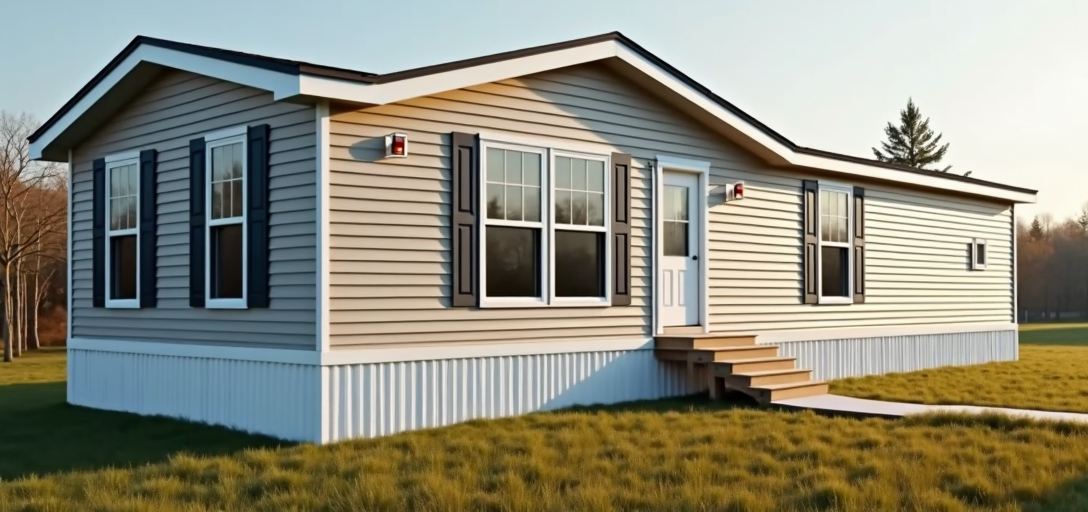
Understanding Manufactured Home Insurance
Manufactured homes, often referred to as mobile homes, offer an affordable housing option for many Americans. However, like any other type of dwelling, they also come with their own set of risks and insurance needs. Manufactured home insurance is essential to protect your investment and your peace of mind. In this article, we'll explore the nuances of manufactured home insurance for primary residences in the United States.
What is Manufactured Home Insurance?
Manufactured home insurance is a specialized policy that provides coverage for homes built in factories and transported to their site. It covers physical damage as well as liability protection, similar to a standard homeowner's insurance policy. However, due to the unique nature of these homes, there are specific considerations to keep in mind.
Key Components of Manufactured Home Insurance
Dwelling Coverage
This part of the policy covers the physical structure of your home, including built-in appliances, plumbing, and electrical systems. It protects against perils such as fire, theft, vandalism, and certain natural disasters, though there are exclusions, which we'll cover later.
Personal Property Coverage
Your belongings inside the home are also covered under personal property insurance. This includes furniture, electronics, clothing, and other personal items. It’s important to take inventory of your possessions to ensure adequate coverage limits.
Liability Protection
If someone is injured on your property or if you accidentally damage someone else's property, liability insurance provides protection. It covers legal fees and any compensation you're required to pay, up to your policy limits.
Additional Living Expenses
In the event that your manufactured home becomes uninhabitable due to a covered loss, this coverage helps pay for temporary living costs. This could include hotel bills, restaurant meals, and other living expenses while your home is being repaired.
Why is Manufactured Home Insurance Necessary?
While manufactured homes are built to high safety standards, they can still be vulnerable to different types of damage. Insurance provides financial protection against unexpected events, allowing you to recover more quickly from disasters. Lenders often require this insurance if there’s a mortgage on the home.
The need for adequate insurance becomes even more apparent when considering recent data from 2026. According to the National Association of Insurance Commissioners (NAIC), over 17 million people live in manufactured homes in the U.S., making insurance coverage vital for a significant portion of the population.
Factors Affecting Manufactured Home Insurance Rates
Several factors can influence how much you will pay for your insurance policy:
- Location: Geographical risks such as the likelihood of hurricanes, floods, or other natural disasters can affect rates.
- Age and Condition: Older homes may have higher premiums, especially if they have not been maintained well.
- Size and Features: Larger homes or those with additional features like decks or garages can increase the cost of insurance.
- Claims History: Your own claims history and the claims history of the property can impact rates.
- Credit Score: Insurers in many states use credit-based insurance scores to determine premiums.
How to Choose the Right Policy
Assess Your Needs
Start by determining the level of coverage you need by evaluating the value of your home and personal belongings. Consider potential risks in your area and any additional coverages you might require, such as flood insurance.
Compare Quotes
It's always a good idea to shop around. Obtain quotes from multiple insurers to find the best coverage for your needs at an affordable price. Online insurance marketplaces can be helpful for comparison shopping.
Check Insurer's Reputation
Ensure that the insurance company you choose has a strong financial rating and a good customer service record. Websites like the Better Business Bureau and A.M. Best offer insights into insurers' reliability and financial health.
Common Exclusions in Manufactured Home Insurance
While manufactured home insurance provides significant protection, it is crucial to understand what is not covered:
- Flood Damage: Typically, this is not covered under standard policies. Consider purchasing separate flood insurance if you live in a flood-prone area.
- Earthquake Damage: Similar to floods, earthquakes generally require additional coverage.
- Lack of Maintenance: Damage resulting from poor maintenance or neglect is usually not covered.
- Acts of War: Damages due to war-related actions are excluded in most insurance policies.
Conclusion
Your manufactured home is a significant investment and deserves the protection offered by a comprehensive insurance policy. Understanding the components of manufactured home insurance will help you make informed decisions and provide peace of mind. Always review your policy carefully, understand your coverage limits and exclusions, and choose a reliable insurer.