Understanding Medicaid Coverage for Diapers: Essential Support for Families
Learn how Medicaid can play a role in making essential purchases more affordable, like diapers for those in need. While not all cases are eligible, Medicaid may provide coverage options to ease the financial burden. Discover possibilities with our insights into Medicaid's support opportunities.
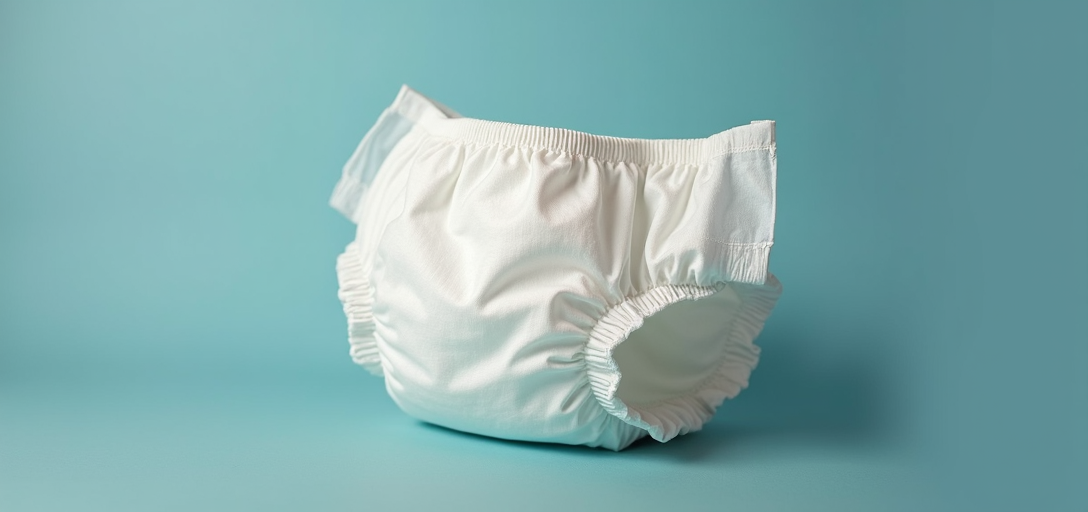
Understanding Medicaid and Its Role in Covering Diapers
For many families across the United States, managing healthcare costs can be a daunting challenge. Medicaid comes as a vital lifeline, especially for those with low income or those with specific medical needs. Among its various benefits, Medicaid can sometimes extend to cover necessities such as diapers, a critical need for infants and individuals with certain health conditions. This article will explore how Medicaid can assist in covering the costs of diapers, addressing the common questions families might have.
What is Medicaid?
Medicaid is a state and federally funded program designed to provide healthcare coverage to eligible low-income individuals including families, pregnant women, the elderly, and people with disabilities. Its mission is to offer essential health benefits and more, aiming to reduce the financial burdens associated with healthcare.
Who is Eligible for Medicaid?
Eligibility for Medicaid varies by state, but generally, it includes individuals and families with income levels below a certain threshold. As of 2026, this threshold is typically aligned with the Federal Poverty Level (FPL), but states may have specific income requirements. States also have the discretion to cover additional groups, thus enhancing Medicaid's reach.
- Pregnant women
- Infants and children under 18
- Individuals with disabilities
- Senior citizens (65 and older)
How Does Medicaid Cover Diapers?
The provision of diapers under Medicaid generally falls under the umbrella of Durable Medical Equipment (DME) or Incontinence Supplies. Coverage for diapers is typically available for individuals diagnosed with incontinence, a condition affecting both children and adults. Medicaid coverage for diapers is critical for families to afford the essential daily care for individuals with special medical needs.
Who Qualifies for Diaper Coverage?
Diaper coverage under Medicaid is not universal and typically applies to:
- Children aged three and above diagnosed with incontinence.
- Adults with medical conditions leading to incontinence, such as severe physical disabilities or neurological disorders.
To confirm eligibility for incontinence supplies, medical evaluation and necessary documentation from a healthcare provider are often required.
How to Apply for Diaper Coverage through Medicaid?
The application process to receive diapers under Medicaid requires adhering to the following steps:
- Consult with a healthcare provider: A healthcare provider can assess the need and usage of incontinence supplies.
- Gather necessary documentation: Obtain a prescription or detailed medical documentation, specifying the need based on a medical diagnosis.
- Contact Medicaid case manager: Engage with your Medicaid case manager to understand specific state regulations and submit relevant paperwork.
Once approved, Medicaid may cover the full or partial cost of diapers, dependent on state policies.
Real-world Examples and Statistics
According to the National Diaper Bank Network, nearly 1 in 3 families in the U.S. faces diaper needs, highlighting the importance of such Medicaid benefits (source). Moreover, a 2026 report on pediatric incontinence revealed that an estimated 5% of children and a significant number of adults are affected by moderate to severe incontinence, necessitating ongoing support for products (source).
Frequently Asked Questions
Does Medicaid cover all types of diapers?
Generally, Medicaid focuses on incontinence supplies like adults' and children's pull-ups or briefs for medical necessities rather than generic infant diapers.
Can Medicaid coverage vary by state?
Yes, Medicaid is a joint state and federal program, and coverage specifics, including for diapers, can differ from one state to another. It's vital to verify with state-specific Medicaid resources.
What should I do if my Medicaid application for diaper coverage is denied?
If initially denied, consider an appeal where further evidence supporting medical necessity can be submitted. Work closely with healthcare providers to advocate for your case effectively.