Understanding Medicare Coverage for Mammograms: What You Need to Know
Curious about the specifics of Medicare coverage for mammograms? Find out what types of mammogram services Medicare may cover and how it affects your outofpocket expenses. Explore preventative screenings and diagnostic tests to understand how they fit into your healthcare plan.
Understanding Medicare Coverage for Mammograms
Navigating healthcare can sometimes feel daunting, especially when it comes to understanding what is covered under Medicare. One critical area of concern for many individuals is mammogram coverage — a crucial preventive measure in the battle against breast cancer. This article will dive deep into the specifics of how Medicare covers mammograms, shedding light on different plans and what beneficiaries should know.
What Are Mammograms?
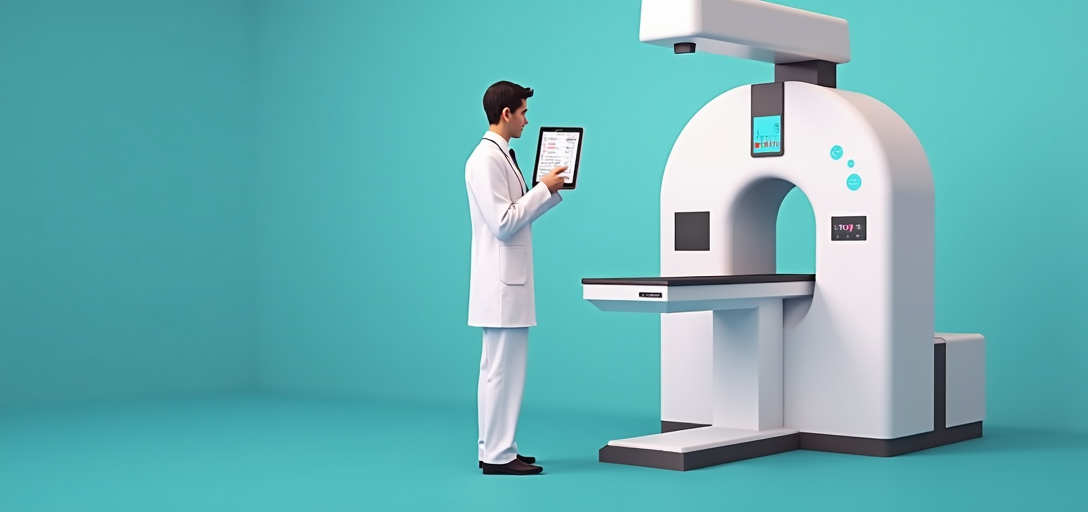
Mammograms are specialized X-ray tests that provide a visual representation of breast tissue. They can detect tumors, cysts, and other abnormalities that are not palpable during regular breast examinations. According to the American Cancer Society, early detection through mammograms can significantly improve the chances of successful treatment.
Medicare: An Overview
Medicare is a federal health insurance program primarily for individuals aged 65 and older, though it also covers younger individuals with disabilities and those with End-Stage Renal Disease. Medicare is divided into parts: Part A (Hospital Insurance), Part B (Medical Insurance), Part C (Medicare Advantage), and Part D (Prescription Drug Coverage).
Coverage for Mammograms Under Medicare
- Medicare Part B: Medicare Part B covers preventive services, including mammograms. Women aged 40 and older are entitled to one screening mammogram every 12 months with no out-of-pocket costs, provided that the healthcare provider accepting the Medicare-approved amount has performed the test.
- Diagnostic Mammograms: If a diagnostic mammogram is required, typically due to symptoms or previous findings, Medicare Part B covers the test, though beneficiaries may need to pay 20% of the Medicare-approved amount after meeting the deductible.
- Medicare Advantage Plans: These plans, offered by private companies approved by Medicare, must cover all services available under Part A and Part B, including mammograms. However, cost-sharing and network restrictions can vary.
Ensuring Full Coverage: Tips for Beneficiaries
To ensure full coverage and minimize personal expenditure, beneficiaries should:
- Get mammograms from healthcare providers that accept Medicare's approved amounts.
- Ensure the mammogram is scheduled every 12 months to abide by Medicare's guidelines for preventive screenings.
- Confirm whether additional diagnostic mammograms are recommended based on medical necessity to facilitate appropriate coverage.
- Review specific Medicare Advantage plan details to understand any potential differences in coverage and costs.
Recent Statistics and Research on Mammograms in 2026
According to the National Cancer Institute's latest statistics for 2026, breast cancer remains the most diagnosed cancer among women, with significant mortality reductions credited to early detection and treatment advancements. Mammograms, as preventive measures, play a crucial role in these encouraging trends.
Additionally, a 2026 study published by the Journal of Women’s Health highlights that approximately 85% of insured women over 40 reported annual mammograms, indicating increased awareness and utilization of preventive services [source].
Your Next Steps
If you or a loved one is eligible for Medicare, it is vital to utilize covered mammogram services effectively to benefit from early detection. Discuss with healthcare professionals to better understand your specific needs and review your Medicare plan to ensure it aligns with your healthcare strategy.
For more information, beneficiaries might consider reviewing resources such as Medicare.gov or contacting Medicare directly at 1-800-MEDICARE.