Understanding Medicare Coverage for Walk-In Tubs: What You Need to Know
Does Medicare cover walk in tubs? Many seniors seek walk in tubs for safety and comfort, but coverage can vary. Medicare does not typically consider walk in tubs as durable medical equipment, hence full coverage might not be guaranteed.
Understanding Medicare Coverage for Walk-In Tubs
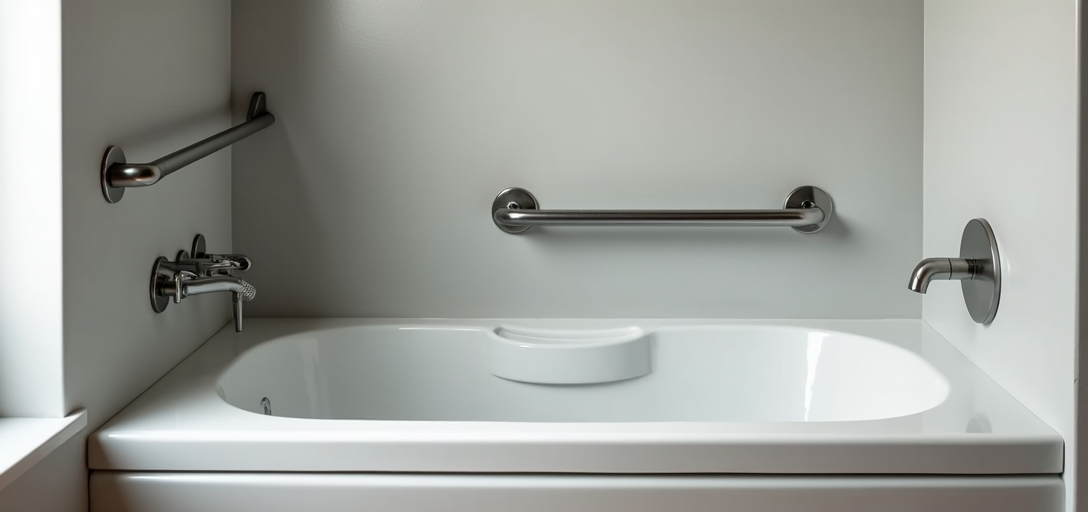
Many older adults and individuals with mobility challenges often seek practical solutions to maintain their independence at home. Walk-in tubs can be an excellent choice, offering safety features such as low-step thresholds, grab bars, and built-in seating. However, a common question arises: does Medicare cover walk-in tubs?
What Are Walk-In Tubs?
Walk-in tubs are specially designed bathing units that provide easier access compared to traditional bathtubs. They feature a door that allows users to step in and out more effortlessly, reducing the risk of slips and falls. This feature is particularly beneficial for seniors or those with disabilities who might find navigating standard tubs challenging.
Medicare and Durable Medical Equipment
Medicare is a federal health insurance program primarily for individuals aged 65 and older, and younger people with disabilities. It consists of different parts, with Medicare Part B covering outpatient care and durable medical equipment (DME). To understand if Medicare covers walk-in tubs, it's essential to explore what qualifies as DME.
Medicare's Criteria for DME
- The equipment must be durable, meaning it can withstand repeated use.
- It should have a medical purpose, such as improving mobility or functioning.
- The equipment must be appropriate for use in the home.
- It should generally not be useful to someone who is not sick or injured.
Based on these criteria, standard home modifications like walk-in tubs generally do not qualify as DME. Medicare usually denies coverage because these tubs serve more as a comfort and convenience item rather than a medical necessity. However, it's crucial to consult the latest updates from Medicare.gov as policies and coverage terms may change.
When Might Walk-In Tubs Be Covered?
While traditional Medicare doesn't cover walk-in tubs, exceptions might be possible under certain conditions or additional coverage plans:
Medicare Advantage Plans
Medicare Advantage (Part C) plans are offered by private insurance companies that contract with Medicare. These plans often provide additional benefits beyond what traditional Medicare covers. Some Medicare Advantage plans might offer broader coverage options, potentially including home modifications like walk-in tubs. If you have or are considering a Medicare Advantage plan, consult your provider for specific coverage details regarding walk-in tubs.
Medicare Supplement Insurance
Also known as Medigap, these policies are sold by private companies and can help cover some healthcare costs not covered by Original Medicare. While they generally don't cover items like walk-in tubs, some supplemental options might include specific benefits or discounts for home safety equipment—check with your provider.
Alternative Ways to Finance Walk-In Tubs
If walk-in tubs are not covered by your Medicare plan, considering alternative funding options can help:
Medicaid and State Assistance Programs
Medicaid, a state and federally funded program, may cover home modifications, including walk-in tubs, if medically necessary. Coverage varies by state, so it's crucial to contact your state Medicaid office for specific requirements and benefits.
Long-Term Care Insurance
Some long-term care insurance policies may cover installations that allow you to age in place safely. These policies vary widely, so review your plan details or speak with an insurance agent to understand your benefits.
Veterans Benefits
Veterans and their spouses might qualify for financial assistance for home modifications through the Veterans Health Administration. Depending on your service, benefits could include installing walk-in tubs.
Home Equity Loans or Reverse Mortgages
If other options are unavailable, leveraging home equity through loans or reverse mortgages could provide the necessary funds to install a walk-in tub.
Choosing the Right Walk-In Tub
When purchasing a walk-in tub, consider the following to ensure it meets your needs:
Features to Look For
- Non-Slip Flooring & Entry Threshold: Ensure the tub has safety flooring and a low threshold to prevent falls.
- Seating and Backrest: Built-in seating can provide comfort and ease.
- Grab Bars: These assist in moving safely in and out of the tub.
- Easy-to-Use Controls: Look for straightforward temperature and jet controls.
Real-World Recommendations
Seek referrals or reviews from friends, family, or trusted online sources. Trustworthy studies, such as those found in well-regarded consumer publications, often provide insight into various manufacturers and models. A reputable guide can be found at Consumer Reports.
Conclusion
While Medicare generally does not cover walk-in tubs, there are various avenues to explore for assistance. Understanding the nuances of Medicare Advantage plans, seeking alternative funding sources, and evaluating the specific features you need will guide you in making an informed decision for a safe and comfortable home bathing environment. Always consult healthcare professionals and insurance advisors to explore the coverage and financing options available in 2026.