Understanding Medicare: What It Actually Covers for Dentures
Curious about what Medicare actually covers for dentures? Many wonder if dental expenses are included under Medicare Part A or Part B. Understanding your options can save you money, and knowing the limitations is key.
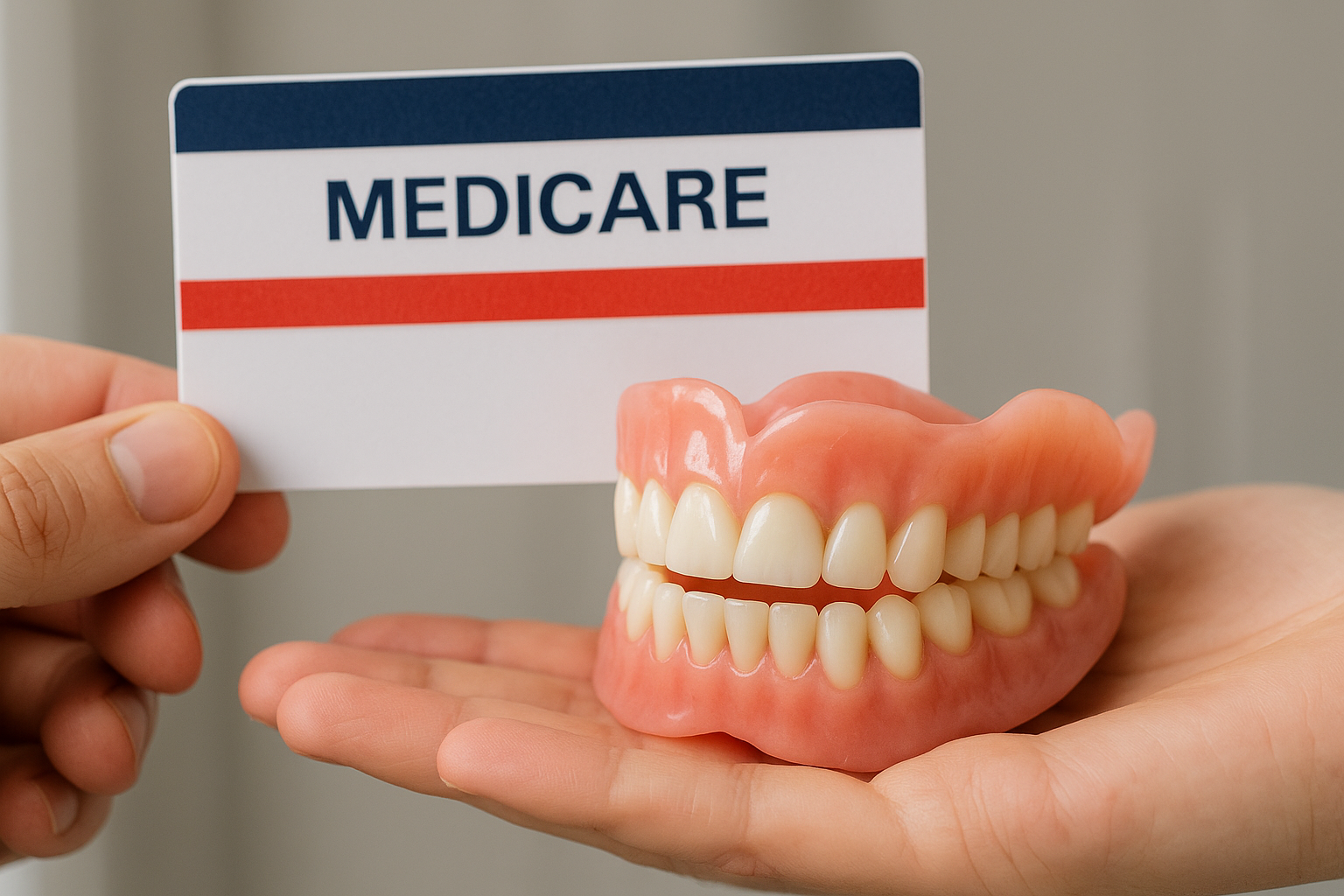
Understanding Medicare Coverage for Dentures
As we age, maintaining dental health becomes increasingly important, yet it can also become more challenging and costly. A common question among seniors and their families is: "What does Medicare actually cover for dentures?" To address this question, we need to dive into Medicare’s structure, its benefits, and gaps, especially concerning dental coverage.
What is Medicare?
Medicare is a federal health insurance program for individuals aged 65 and older, certain younger people with disabilities, and individuals with End-Stage Renal Disease (permanent kidney failure requiring dialysis or a transplant). While it covers a broad range of medical services, its coverage of dental services is quite limited.
Does Medicare Cover Dentures?
Medicare doesn't directly cover dentures. This falls under Medicare’s Part B, which generally covers only dental services essential to other medical procedures. For example, if a dental exam is necessary for heart valve replacement surgery. Routine dental care, including dentures, is not included.
Therefore, most seniors needing dentures must look into alternative solutions such as other insurance policies or savings plans.
Alternative Options for Denture Coverage
Since traditional Medicare does not cover dentures, here's a look at some alternatives that may help cover these costs:
- Medicare Advantage (Part C): These are private insurance plans that offer everything covered by Medicare Parts A and B, often including dental coverage, which can extend to dentures.
- Standalone Dental Insurance Plans: Various private companies offer dental insurance that covers dentures. It's essential to evaluate these plans carefully, focusing on cost, coverage extent, co-pays, and deductibles.
- Discount Dental Plans: These are not insurance but offer savings on dental services, including dentures, if you visit networked dental providers. They usually have lower monthly fees and broader acceptance.
- Medicaid: Depending on your state, Medicaid may offer some dental services coverage including dentures. Eligibility and coverage vary by state.
Real-World Examples and Costs
Understanding potential costs can help in planning for denture expenses. Here are some examples based on 2026 data:
- The average cost of complete dentures ranges from $2,000 to $4,000 per arch, while the premium dentures might soar up to $8,000 per arch.
- Medicare Advantage plans might cover 50-70% of these costs depending on the policy details.
- Standalone dental insurance plans often have annual maximum benefits that range from $1,000 to $3,000.
For example, a Medicare Advantage plan with Humana offers an additional premium for dental, which could lead to considerably lower out-of-pocket costs for dentures.
Considerations When Choosing Coverage
Choosing the right coverage can be daunting. Here are a few key considerations:
- Network Restrictions: Confirm if your preferred dentist or specialist participates in the plan’s network to avoid higher costs.
- Coverage Limits: Dental benefits may have maximum annual limits that can impact your total out-of-pocket expenses.
- Waiting Periods: Some dental policies impose waiting periods before coverage for dentures begins.
Frequently Asked Questions
Here are some targeted questions that might arise:
Q: Can I get any help from Medicare directly for dentures?
A: No, traditional Medicare does not cover dentures. Consider looking into Medicare Advantage plans or other insurance options.
Q: What if I cannot afford dentures?
A: Look into Medicaid eligibility, discount plans, or dental schools that often offer services at reduced costs for educational purposes.
Conclusion
While Medicare doesn’t cover dentures directly, understanding and leveraging alternative plans like Medicare Advantage or standalone dental policies can alleviate some of the financial burden. As policies and coverages continue to evolve, it's crucial to stay informed and proactive about your dental health insurance options to make well-informed decisions.
For further details, consider visiting credible resources like the Medicare official site and Healthcare.gov.