Understanding Mycosis Fungoides: Early Detection and Symptoms Awareness
Mycosis Fungoides is a rare skin condition that can be difficult to identify. Learning to recognize the signs early on is crucial for better management.
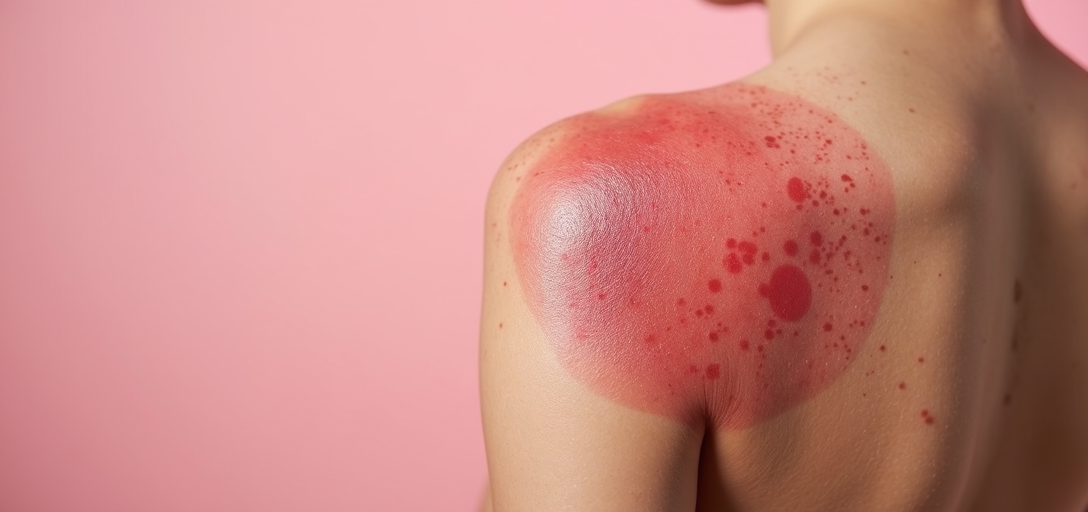
Understanding Mycosis Fungoides: An Overview
Mycosis Fungoides is a rare type of non-Hodgkin lymphoma that primarily affects the skin. It is the most common form of cutaneous T-cell lymphoma (CTCL). This condition is characterized by patches, plaques, and tumors on the skin as a result of malignant T-cells infiltrating the skin. Although it progresses slowly, it's essential to understand the signs to make early detection and treatment possible.
What Causes Mycosis Fungoides?
The exact cause of Mycosis Fungoides remains unknown. However, it is known that cancerous T-cells mistakenly attack the skin. Researchers are investigating genetic and environmental factors as potential contributors to its development. While no definitive cause has been pinpointed, ongoing research may soon provide more answers.
Recognizing the Signs and Symptoms
Identifying the early signs of Mycosis Fungoides can lead to more effective management and treatment. Here are the common symptoms associated:
- Patches: Flat, scaly, often red areas of skin that resemble eczema or psoriasis.
- Plaques: Raised lesions that may be itchy and appear red or violet.
- Tumors: Larger lesions that can ulcerate or become infected.
- Thickening of the palms and soles.
These symptoms can vary from person to person and often resemble other dermatological conditions. Therefore, it's crucial to consult with a dermatologist for an accurate diagnosis if you observe these changes in your skin.
Diagnostic Process
The diagnosis of Mycosis Fungoides involves several steps to distinguish it from other conditions:
- Skin Biopsy: A sample of the affected skin is examined under a microscope for cancerous cells.
- Blood Tests: To check for Sézary cells, atypical T cells characteristic of the disease.
- Imaging Tests: May include CT or PET scans to look for internal organ involvement.
Managing Mycosis Fungoides can be complex, requiring an interdisciplinary approach from dermatologists, oncologists, and pathologists for accurate diagnosis and tailored treatment.
Treatment Options
There is currently no cure for Mycosis Fungoides, but various treatments can help manage symptoms and control the spread of the disease. Treatment is often personalized based on the stage and symptoms of the disease:
- Topical Treatments: Corticosteroids, retinoids, and chemotherapy drugs applied to the skin.
- Phototherapy: Exposure to ultraviolet light, which may help clear skin symptoms.
- Radiation Therapy: In localized areas to reduce tumors or lesions.
- Systemic Treatments: Including interferons, monoclonal antibodies, or oral chemotherapies for more advanced stages.
While these treatments can be effective, regular follow-ups and adjustments are necessary to manage potential side effects and ensure the best outcomes for patients.
Living with Mycosis Fungoides
For those diagnosed with Mycosis Fungoides, managing daily life involves more than just medical treatment. Support groups and counseling can help patients and their families cope with the emotional challenges of living with a chronic condition. Avoiding triggers such as stress and skin irritants can also be beneficial.
Prognosis and Current Research
The prognosis for individuals with Mycosis Fungoides varies, with many experiencing slow progression and effective management through treatment. Exciting advances in research continue to offer hope for improved therapies. According to a 2026 study from the Mayo Clinic, researchers are exploring newer immunotherapies and gene therapies that show potential in treating Mycosis Fungoides with fewer side effects.
Conclusion and Resources
Understanding Mycosis Fungoides is key to managing and living with this rare skin condition effectively. For accurate information and guidance, consult healthcare professionals and utilize resources from reputable medical centers. You can learn more and find support through organizations such as the Cutaneous Lymphoma Foundation and the American Cancer Society. Staying informed and connected with the medical community can pave the way for improved outcomes and quality of life for those affected.
For more information on ongoing research and support groups, consider visiting: American Cancer Society and Cutaneous Lymphoma Foundation.