Understanding Mycosis Fungoides: How to Spot the Early Signs of This Rare Skin Disease
Mycosis Fungoides: Recognize the signs of this rare skin condition. Discover how Mycosis Fungoides, a unique type of cutaneous lymphoma, can be identified in its early stages. While symptoms may differ, early detection is key.
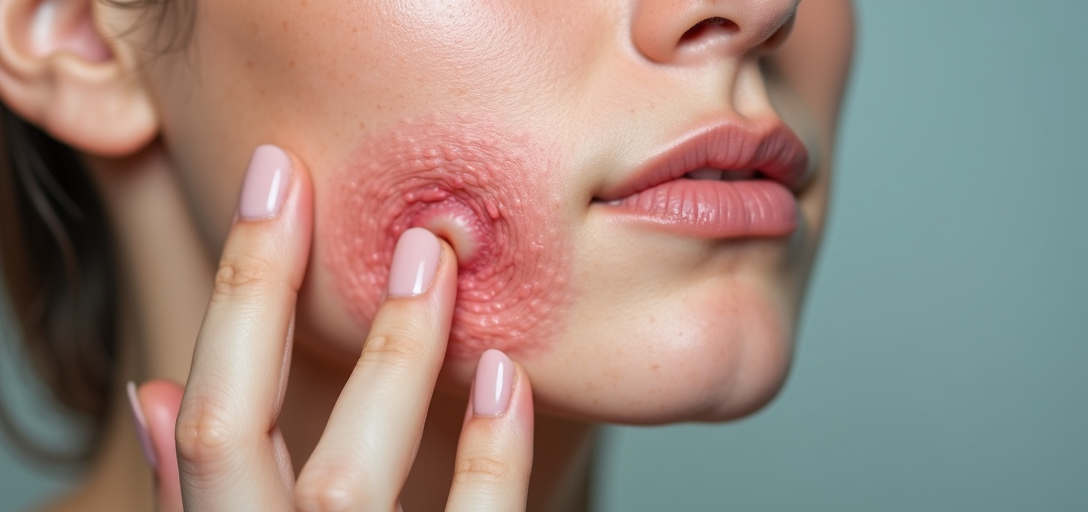
Understanding Mycosis Fungoides
Mycosis Fungoides is a rare type of skin cancer, known as a cutaneous T-cell lymphoma (CTCL), which primarily affects the skin but can progress to other parts of the body. Despite its name, Mycosis Fungoides is unrelated to fungal infections. Recognizing the signs early can lead to more effective management and treatment strategies.
The incidence of Mycosis Fungoides has been rising in the United States, with recent statistics indicating around 3,000 new cases diagnosed annually. While it can affect individuals of any age, it is most commonly diagnosed in adults over 50, particularly impacting males more frequently than females.
Recognizing the Signs and Symptoms
Early detection of Mycosis Fungoides can be challenging, as its symptoms often mimic those of psoriasis or eczema. However, there are distinct signs to be aware of:
Common Symptoms
- Patches: Flat, scaly areas on the skin that can be itchy or reddish in color.
- Plaques: Thick, raised lesions that may appear darker or more inflamed than patches.
- Tumors: Large growths that can develop if the condition progresses untreated.
- Skin Eruptions: Widespread red rashes that may cover large areas of the body.
These stages can progress over months to years, with symptoms varying significantly among individuals. It’s crucial to consult a healthcare provider if you notice persistent, unusual changes in your skin.
Diagnosis: How Mycosis Fungoides is Diagnosed
Diagnosing Mycosis Fungoides usually involves a series of inspections and tests. Given its resemblance to other skin disorders, dermatologists often conduct multiple examinations:
Skin Biopsy
A skin biopsy is the most definitive test for diagnosing Mycosis Fungoides. During this procedure, a small sample of skin is removed and examined under a microscope to identify the presence of malignant T-cells.
Blood Tests
Blood tests, such as the Sezary cell count, can be used to detect any spread of lymphoma cells beyond the skin.
Imaging Tests
In advanced stages, imaging tests like CT scans or PET scans may be required to determine if the cancer has spread to lymph nodes or other organs.
Treatment Options
Treatment for Mycosis Fungoides depends on the stage of the disease and the individual's unique health profile. The primary goal is to control symptoms and maintain a good quality of life:
Topical Treatments
These treatments include corticosteroids and retinoids, which are often effective in early-stage Mycosis Fungoides for reducing inflammation and scaling.
Phototherapy
Exposure to ultraviolet light, under controlled conditions, can help manage skin lesions in the early stages. Phototherapy is a common treatment with a track record of success in CTCL cases.
Systemic Treatments
In more advanced stages, systemic treatments such as chemotherapy, targeted therapy, or immunotherapy may be necessary to control the disease.
Clinical trials continue to explore new treatment possibilities, ensuring patients have access to the most current and effective options. As of 2026, the targeted therapies have shown promise in increasing remission rates while minimizing side effects.
Managing Life with Mycosis Fungoides
Living with Mycosis Fungoides involves not just medical treatment but also lifestyle adjustments and supportive care:
Regular Monitoring
Regular follow-ups with healthcare providers are essential for monitoring the progression or remission of the disease. Early intervention in changes can significantly alter outcomes.
Support Systems
Connecting with support groups or counseling services can provide emotional and psychological assistance, which is crucial for coping with a rare cancer diagnosis.
Skincare And Lifestyle
Gentle skincare routines and avoiding sun exposure can help manage skin sensitivity and prevent exacerbation of symptoms. Paying attention to overall health, including diet and exercise, also plays a role in managing this condition.
Conclusion: Importance of Awareness
With cases of Mycosis Fungoides on the rise in the US, understanding this disease is more important than ever. While it is rare, the increasing incidence underscores the need for awareness and early detection.
For more information on Mycosis Fungoides, resources like the American Cancer Society and the Cutaneous Lymphoma Foundation offer comprehensive guides and support programs. Always consult healthcare professionals for personalized advice and treatment plans.