Understanding Mycosis Fungoides: Prevalence and Early Detection Signs
Curious about how prevalent mycosis fungoides is? Understanding this rare skin condition is crucial for early recognition and management. Mycosis fungoides, a type of lymphoma, often begins with a rash that can easily be mistaken for other skin issues.
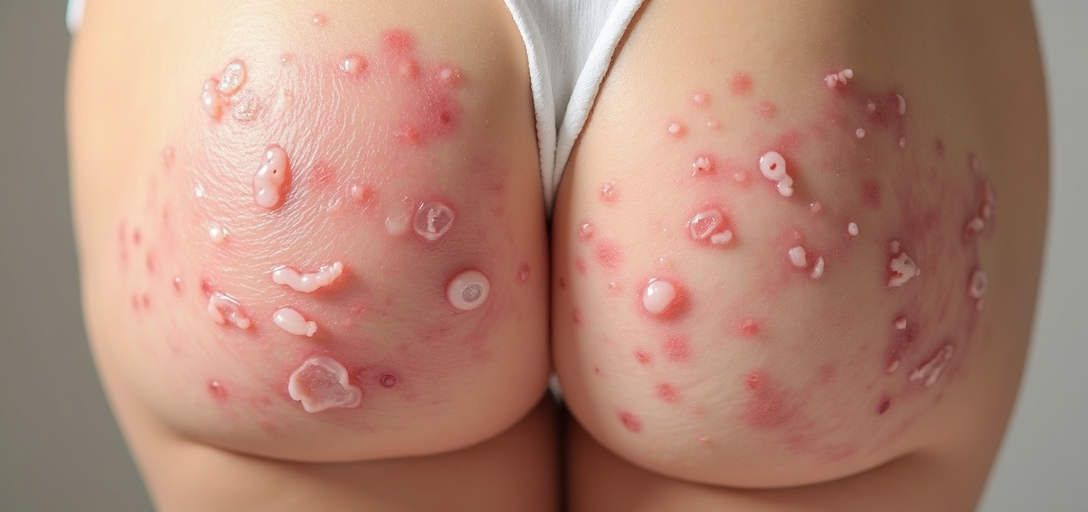
Understanding Mycosis Fungoides
Mycosis Fungoides is a rare type of non-Hodgkin lymphoma, which primarily affects the skin. It is part of a group of conditions known as cutaneous T-cell lymphomas (CTCL). Despite its rarity, understanding the disease is crucial as early detection can lead to better management. According to the American Cancer Society, approximately 3,000 new cases of CTCL, including Mycosis Fungoides, are diagnosed annually in the United States.
What are the Early Signs and Symptoms?
Early detection of Mycosis Fungoides can significantly impact the disease's progression and management. The common early signs include:
- Patches: Red, scaly patches on the skin similar to eczema or psoriasis.
- Thickened Lesions: Plaques that may develop as patches thicken and become elevated.
- Skin Tumors: In advanced stages, tumors or nodules can appear on the skin.
- Itching: Pruritus is a common symptom that can be persistent and severe.
It's essential to consult a healthcare professional if you notice these signs, as they can often resemble more common skin conditions.
The Epidemiology of Mycosis Fungoides in the United States
Though Mycosis Fungoides is rare, its prevalence highlights the need for awareness. According to a 2026 report by the National Institutes of Health, it accounts for approximately 70% of CTCL cases.
This condition is more common among adults aged 50 to 60 years, with a higher prevalence in men than women. While the exact cause remains unclear, genetic factors and environmental exposures may play a role. Historically, African Americans have a slightly higher risk compared to Caucasians.
Diagnosis and Staging
Diagnosing Mycosis Fungoides involves a combination of:
- Skin Biopsies: An essential test involving microscopic examination of skin tissue.
- Blood Tests: These help in assessing the spread to other body parts.
- Imaging Studies: CT or PET scans may be conducted to check the disease's advancement.
The disease is staged based on the size and spread of skin lesions, lymph node involvement, and presence of systemic disease.
\
Treatment Options
Treatment plans for Mycosis Fungoides are tailored to the disease stage and overall patient health. Options include:
- Topical Therapies: Corticosteroids, retinoids, and chemotherapy creams applied directly to the skin.
- Phototherapy: Exposure to ultraviolet light, often combined with photosensitizing drugs.
- Radiation Therapy: Used for localized patches or tumors.
- Systemic Treatments: For advanced stages, including oral medications, chemotherapy, and biologics like interferons.
It's crucial to maintain regular follow-ups with healthcare providers to monitor progression and adjust treatments accordingly.
Coping with Mycosis Fungoides
Dealing with a chronic condition like Mycosis Fungoides requires both physical and emotional resilience. Joining a support group can provide a network of individuals facing similar challenges. Organizations such as the Cutaneous Lymphoma Foundation offer resources and community support.
Healthy lifestyle changes, such as a balanced diet, regular exercise, and stress management techniques, may improve quality of life. Engaging in open communication with your healthcare team is vital for symptom management and mental health support.
Upcoming Research and Developments
Research into new treatments and better diagnostic methods for Mycosis Fungoides is ongoing. The year 2026 has seen promising studies on targeted therapies and immunotherapies. According to the National Cancer Institute, clinical trials are exploring medications that precisely target cancer cells without affecting healthy tissues.
With continuous advancements, there is hope for more efficient management strategies and potential cures in the near future.
Conclusion
Recognizing the signs of Mycosis Fungoides and understanding its treatment options can play a pivotal role in managing this rare lymphoma effectively. Stay informed and collaborate with your healthcare team to tailor the best approach for your condition.
For additional information, check resources from the American Cancer Society and local health services. Awareness and education are powerful tools in the fight against Mycosis Fungoides.